


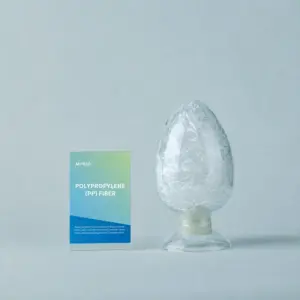




Polypropylene fiber, also known as PP fiber, is a synthetic fiber made from polypropylene resin. It is widely used in many industries because of its light weight, good chemical resistance, high strength, abrasion resistance and stable performance.
In the construction chemical industry, polypropylene fiber is especially valued as a functional additive for concrete, mortar, plaster and other building materials. When properly dispersed in cement-based or gypsum-based systems, PP fiber can help improve crack resistance, impact resistance and overall durability.
For manufacturers of dry-mix mortar, concrete products and building materials, choosing the right polypropylene fiber can help improve product performance and reduce common construction problems such as shrinkage cracking, surface cracking and poor impact resistance.
What Is Polypropylene Fiber?
Polypropylene fiber is produced from polypropylene, a polymer made by the polymerization of propylene. Polypropylene itself is a plastic material, while polypropylene fiber is a chemical fiber material processed from polypropylene resin.
Because of its special structure and stable chemical properties, PP fiber has become an important material in textiles, construction materials, insulation materials and industrial applications.
In construction applications, polypropylene fiber is usually added into mortar or concrete in small dosage. After uniform dispersion, it forms a three-dimensional fiber network inside the material, which helps reduce micro-cracks and improve the integrity of the final product.
Main Properties of Polypropylene Fiber
1. Light Weight
Polypropylene fiber is one of the lightest chemical fibers. Its low density makes it easy to disperse in mortar or concrete systems without adding too much weight to the final material.
This feature is especially useful in building materials where lightweight performance, workability and construction efficiency are important.
2. High Strength and Good Toughness
PP fiber has good tensile strength and toughness. In cement-based materials, the fiber can help distribute stress more evenly and reduce crack development caused by shrinkage, temperature change or external impact.
This makes polypropylene fiber suitable for concrete, repair mortar, plaster, wall materials and other construction products that require better crack resistance.
3. Good Abrasion Resistance
Polypropylene fiber has good abrasion resistance. When used in mortar, plaster or gypsum-based systems, it can help improve the surface performance and durability of the finished material.
For products exposed to friction, construction movement or long-term use, this property can provide additional performance value.
4. Chemical Resistance
PP fiber has good resistance to many chemicals. It is also resistant to alkali, which makes it suitable for cement-based systems.
This is one reason why polypropylene fiber is widely used in concrete and mortar applications. It can maintain stable performance in an alkaline environment and support the long-term durability of the material.
5. Low Water Absorption
Polypropylene fiber has very low moisture absorption. It does not easily absorb water, which helps maintain stable performance in mortar and concrete systems.
Because it does not significantly change the water demand of the formulation, it is easier for manufacturers to control workability and final product consistency.
6. Electrical Insulation and Thermal Insulation
Polypropylene fiber has good electrical insulation properties and low thermal conductivity. In some industrial and insulation applications, these features can provide additional functional value.
However, in construction mortar and concrete, its most important function is usually crack control and reinforcement.
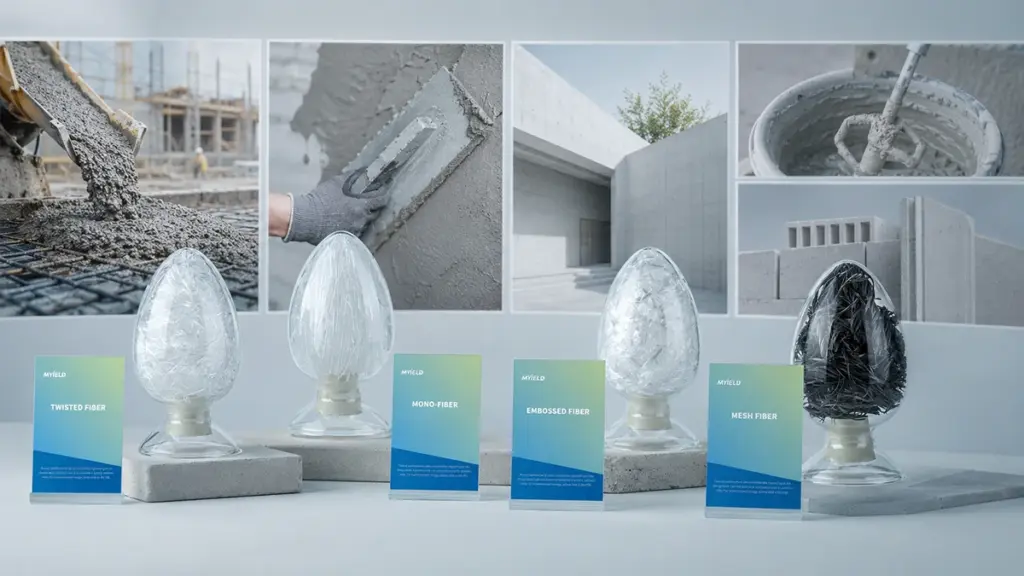
Applications of Polypropylene Fiber
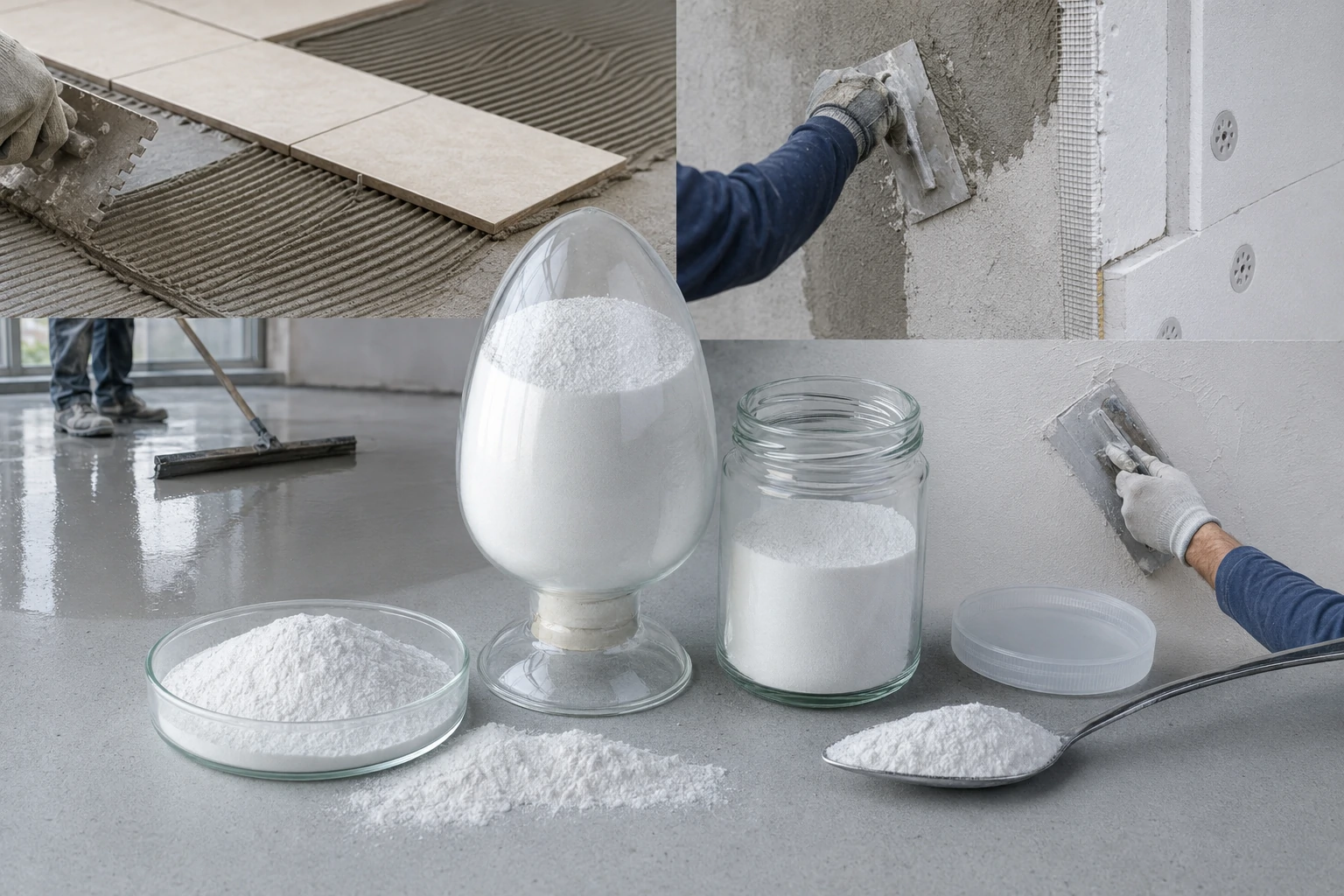
Polypropylene fiber has a wide range of applications in textiles, construction materials, industrial materials and insulation products. For Myield Chemical customers, the most important application area is building materials.
1. Concrete
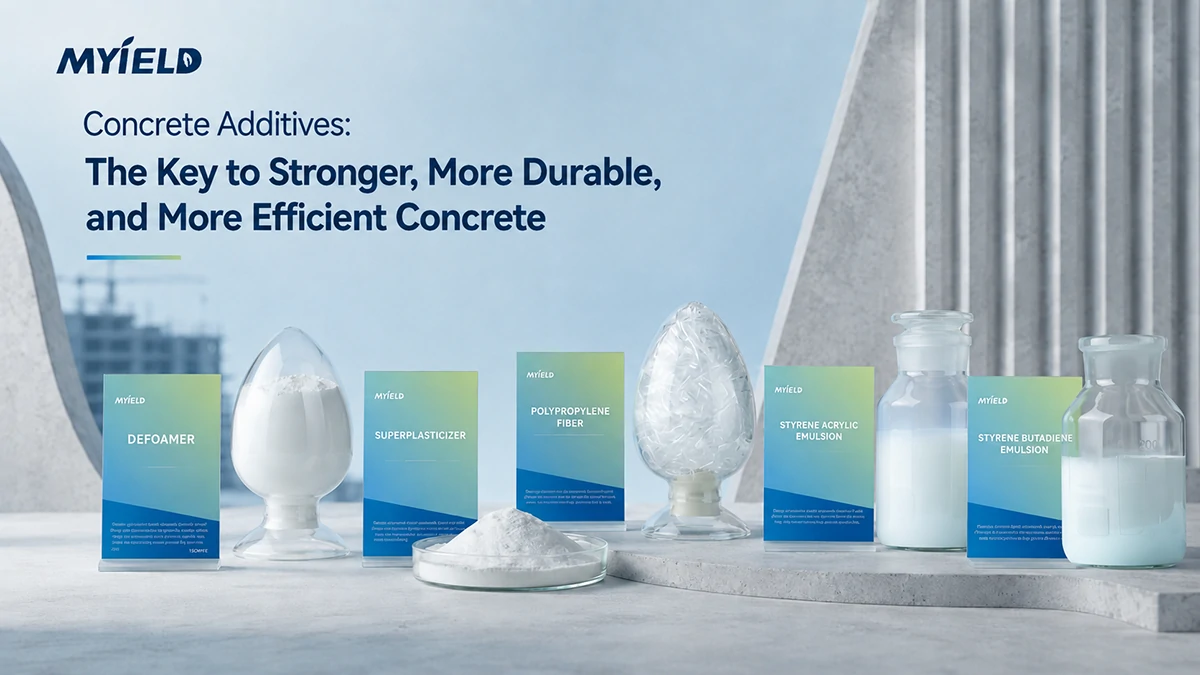
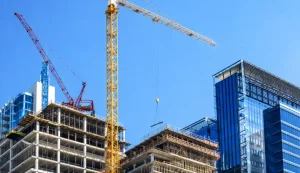
Adding polypropylene fiber into concrete can help improve crack resistance, impact resistance and durability. PP fiber can reduce plastic shrinkage cracking and improve the overall integrity of concrete structures.
It is commonly used in:
- Ready-mix concrete
- Precast concrete products
- Concrete floors
- Road and bridge materials
- Tunnel and shotcrete applications
- Repair concrete
For concrete producers, PP fiber is a practical solution to improve performance without significantly changing the production process.
2. Dry-Mix Mortar
In dry-mix mortar, polypropylene fiber can help reduce cracking and improve construction stability. It can be used in different mortar systems to improve reinforcement and durability.
Common applications include:
- Anti-crack mortar
- Plaster mortar
- Repair mortar
- Thermal insulation mortar
- Waterproof mortar
- Exterior wall mortar
- Cement-based dry-mix mortar
By forming a fiber network in the mortar, PP fiber helps limit crack expansion and improves the toughness of the finished material.
3. Gypsum-Based Products
Polypropylene fiber can also be used in gypsum-based materials. It can help improve wear resistance, toughness and stability in gypsum plaster and related products.
In gypsum systems, proper fiber selection and dosage are important to ensure good dispersion and avoid clumping.
4. Building Panels and Insulation Materials
PP fiber can be used in some building panels, insulation materials and composite materials. Its light weight, insulation properties and chemical stability make it suitable for different industrial formulations.
Why Use Polypropylene Fiber in Construction Materials?
For construction material manufacturers, polypropylene fiber is not only a simple reinforcement material. It can help improve the practical performance of finished products in real application conditions.
The main benefits include:
- Reducing plastic shrinkage cracks
- Improving crack resistance
- Enhancing impact resistance
- Improving toughness and durability
- Supporting better dimensional stability
- Reducing surface cracking problems
- Improving mortar and concrete integrity
These advantages make PP fiber an effective additive for manufacturers who want to upgrade their concrete, mortar or gypsum-based product systems.
How to Choose the Right Polypropylene Fiber
Different construction applications may require different fiber lengths, types and specifications. For example, concrete may require a different fiber grade from plaster mortar or gypsum products.
Before recommending a suitable polypropylene fiber, Myield Chemical usually helps customers confirm:
- Final application
- Cement-based or gypsum-based system
- Required fiber length
- Target performance
- Current formulation problem
- Mixing equipment and dispersion condition
- Packing requirement
- Monthly or annual demand
- Destination port and trade term
With this information, we can recommend a more suitable grade and support your sample testing more efficiently.
Myield Chemical Polypropylene Fiber Support
Myield Chemical supplies construction-grade polypropylene fiber for concrete, mortar, plaster, gypsum and other building material applications.
Whether you are a dry-mix mortar manufacturer, concrete product producer, building material distributor or importer, we can support you with product information, technical communication, sample arrangement and quotation.
If you are facing problems such as mortar cracking, concrete shrinkage cracking, poor impact resistance or insufficient product durability, polypropylene fiber may be a practical additive solution for your formulation.
Looking for Polypropylene Fiber for Your Construction Materials?
If you are developing concrete, dry-mix mortar, plaster, gypsum or other building material products, Myield Chemical can help you choose suitable polypropylene fiber according to your application and performance requirements.
Tell us your product application and target market. Our team will recommend a suitable grade and provide further product details.
Contact Myield Chemical
Whatsapp: +86-18538509097
Email: [email protected]