















What Are Adhesive Formulations (and Why These Additives Matter)?
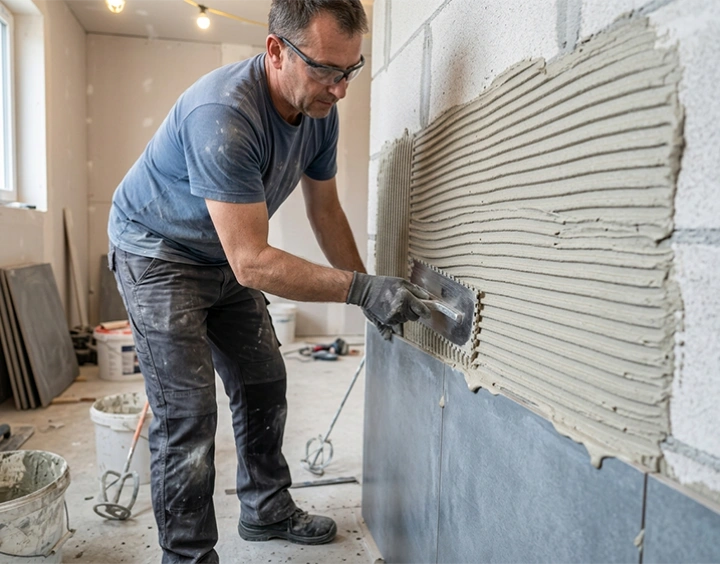
Adhesive formulations require a practical balance of application ease, wetting, consistency, and long-term bond strength. In cementitious and selected water-based systems, poor rheology control or insufficient polymer modification can lead to short open time, sagging, weak wet adhesion, poor transfer, and reduced bond durability after water exposure. Myield Chemical supplies a targeted additive system combining cellulose ethers and RDP powder to help formulators improve workability, bonding, and overall application reliability. Final performance depends on the full formulation and should be verified through trials.
Common Challenges in Adhesive Formulations
Typical issues formulators aim to control include:
Short open time / fast skinning → reduced wetting and weaker bond (system-dependent)
Sagging on walls / tile slip → especially with heavy or large units (system-dependent)
Poor workability → too sticky, tearing, difficult troweling, unstable consistency
Insufficient wet adhesion → reduced bond during installation or after brief water exposure (system-dependent)
Hollow spots / poor contact → rib collapse or inadequate wetting (system-dependent)
Cracking or debonding risk → under stress, movement, or thermal cycling (system-dependent)
Myield Chemical Solution
Myield focuses on the following product families for adhesive applications:
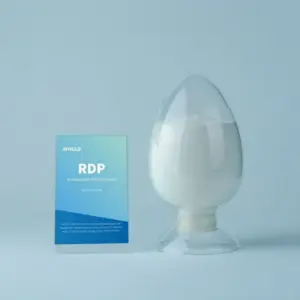
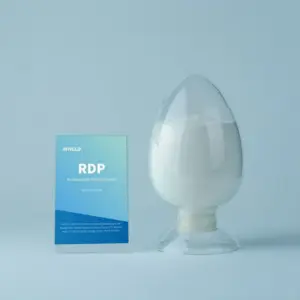
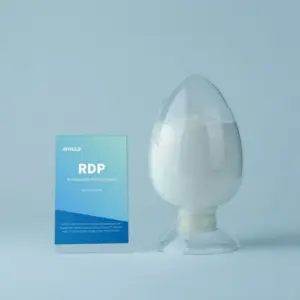
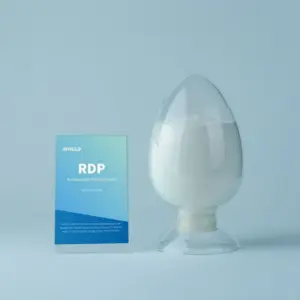
- RDP Powder (Redispersible Polymer Powder) — polymer bonding + durability direction (adhesion, flexibility, water resistance).
- Cellulose Ethers (HPMC / HEMC) — water retention + rheology control for workability, open time, and sag resistance direction.
Stronger Results with the Right Additive System
Adhesive performance depends on cement type, fillers, grading curve, polymer level, and jobsite conditions. A well-matched additive system helps keep application consistent and bonding reliable—without sacrificing productivity.
How HPMC / HEMC + RDP Work Together
A well-selected cellulose ether helps tile adhesives achieve stable fresh performance and reliable bonding behavior.
cellulose ethers improve water retention and troweling feel, supporting stable consistency and open time direction.
selected cellulose grades help reduce slip/sag on vertical surfaces (system-dependent).
RDP improves polymer film formation and adhesion, helping resist water and mechanical stress (system-dependent).
improved wetting/open time direction with better early handling (system-dependent).
Typical Adhesive Systems We Support
Recommended Myield Grades for Adhesives
RUNCELL® HPMC KP35
- Recommended for: general cementitious adhesive systems requiring stable workability and water retention direction
- Best for: consistent troweling feel and open time direction (system-dependent)
- Typical starting dosage: 0.20%–0.45% by total dry mix (trial-based)
RUNCELL® HPMC KP35M
- Recommended for: wall-applied adhesive systems where sag/slip control is critical (system-dependent)
- Best for: improved anti-sag rheology direction and extended open time direction
- Typical starting dosage: 0.25%–0.55% by total dry mix (trial-based)
RUNCELL® HPMC P3000M
- Recommended for: higher performance adhesive systems where wet adhesion and open time are key (system-dependent)
- Best for: improved wetting/open time direction with controlled retardation direction (system-dependent)
- Typical starting dosage: 0.20%–0.50% by total dry mix (trial-based)
RUNCELL® MHEC KE30(S)
- Recommended for: adhesive mortars requiring smooth creamy workability and stable handling direction
- Best for: balanced rheology and improved application window direction (system-dependent)
- Typical starting dosage: 0.20%–0.55% by total dry mix (trial-based)
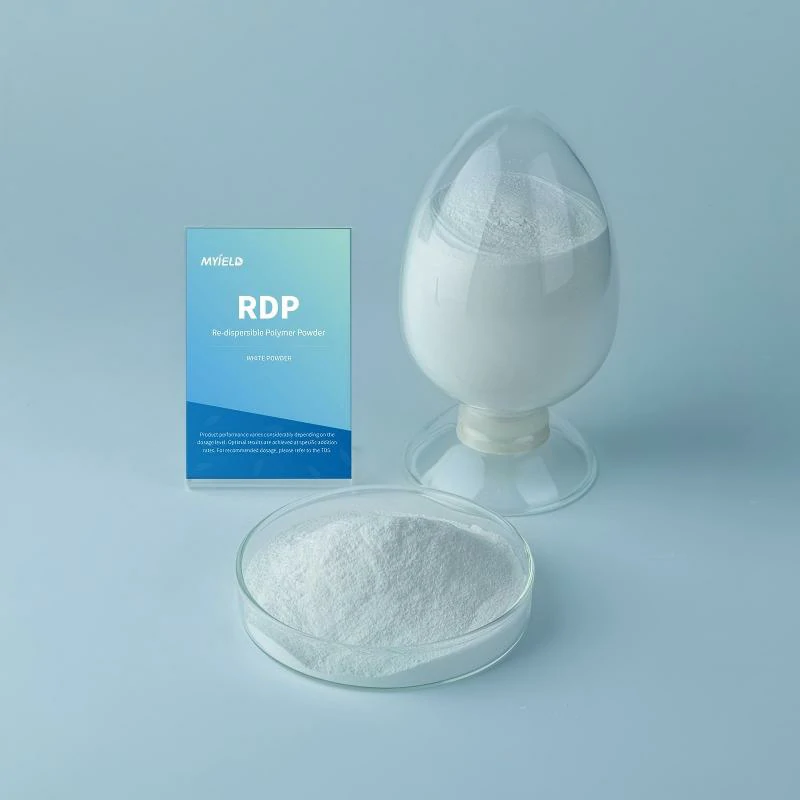
RUNCELL® RDP RE-501A
- Recommended for: general-purpose polymer modification in cementitious adhesives (system-dependent)
- Best for: improved cohesion and bonding direction
- Typical starting dosage: 1.0%–5.0% by total dry mix (trial-based)
RUNCELL® RDP RE-505EP
- Recommended for: adhesives needing stronger water resistance and durability direction (system-dependent)
- Best for: reduced water sensitivity direction and more durable bonding performance
- Typical starting dosage: 1.5%–6.0% by total dry mix (trial-based)
RUNCELL® RDP RE-508F
- Recommended for: systems requiring higher flexibility and deformability direction (system-dependent)
- Best for: improved crack-bridging and movement tolerance direction
- Typical starting dosage: 2.0%–8.0% by total dry mix (trial-based)
Why Choose Myield Chemical
FAQ
Yes—both can be used as water retention and rheology modifiers in cementitious adhesives. The best choice depends on your target open time, sag resistance needs, and the rest of your formulation. Validate by trials.
Use general-purpose RDP for bonding direction, higher water-resistance grades when exposure is more demanding, and flexible grades when movement tolerance is required. Final selection depends on your system and performance standard.
Cellulose ethers are commonly screened in the 0.20%–0.55% range (by dry mix), while RDP is often screened from 1%–6% (by dry mix), depending on performance level. Confirm by trials.