








What Are Architectural Coatings and Why Additives Matter?
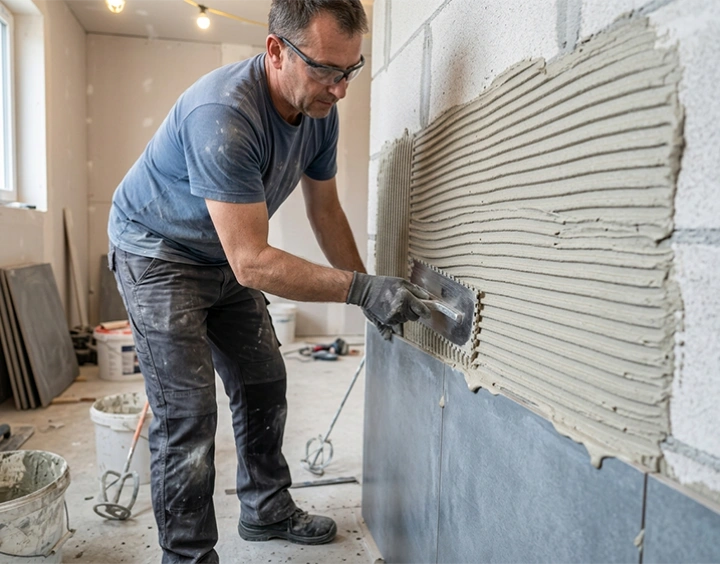
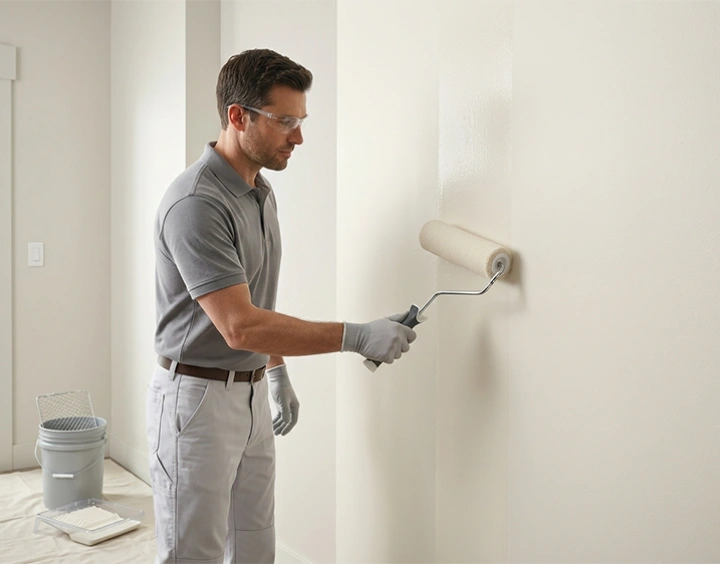
Architectural coatings include interior/exterior wall paints, primers, decorative texture coatings, and selected cementitious coatings. Different systems have different formulation needs, but most require controlled viscosity, good pigment dispersion stability, foam control, and consistent application behavior. On this page, Myield focuses on an additive set that supports key coating performance targets—from rheology tuning and workability to film/finish quality.
Common Formulation & Application Challenges
Typical challenges coating formulators aim to control include:
Unstable viscosity — thickening drift, shear sensitivity, or batch-to-batch variation (system-dependent)
Poor sag/leveling balance — sagging on walls or poor leveling/orange peel
Pigment/filler settling — reduced shelf stability and inconsistent appearance (system-dependent)
Foam and pinholes — entrapped air, craters, poor film appearance
Spatter and poor roller feel — reduced application comfort and productivity (system-dependent)
Water resistance and durability gaps — especially in demanding interior/exterior environments (system-dependent)
Myield Chemical Solution
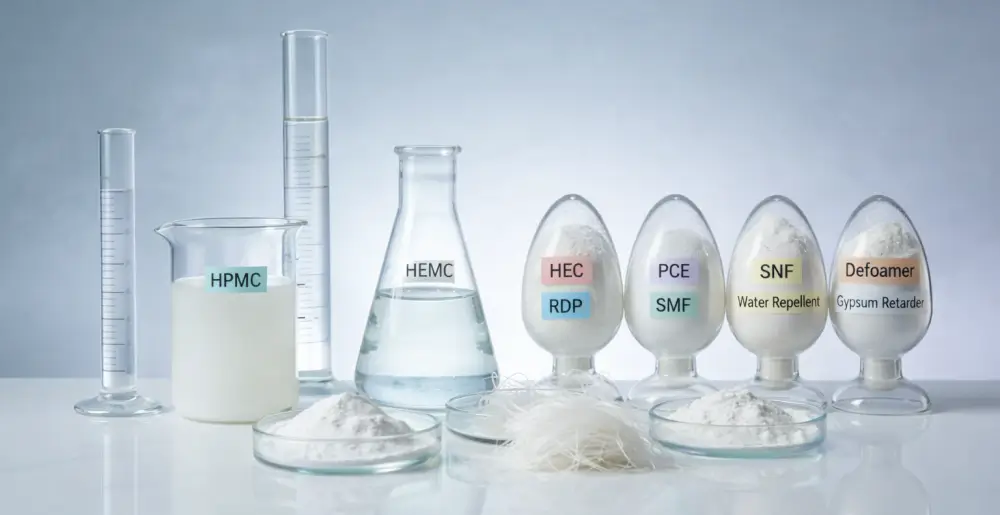
To keep selection clear, this page is strictly limited to the following Myield product families only:
1) Cellulose Ethers (HPMC / HEMC)
Rheology control, thickening, and application stability (system-dependent)
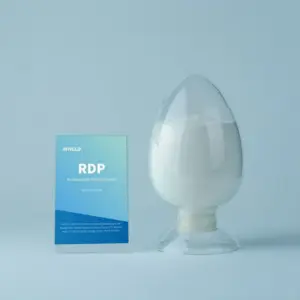
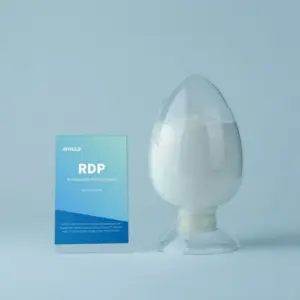
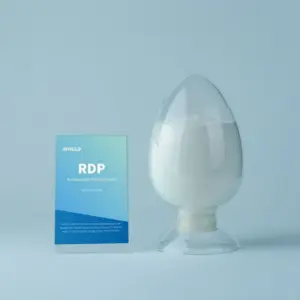
2) RDP Powder (Redispersible Polymer Powder)
Polymer binding and durability support in dry-mix / mineral coating systems (system-dependent)
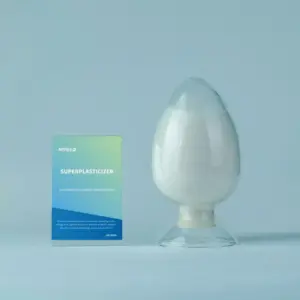
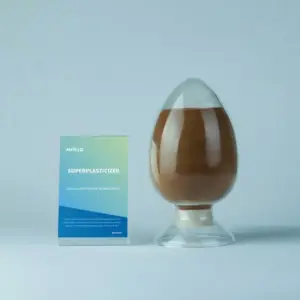
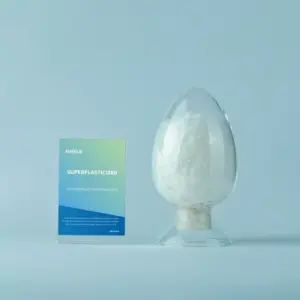
3) Superplasticizers (PCE)
Water reduction and flow control in cementitious coating systems (system-dependent)
4) Defoamer Powder
Foam control for improved appearance and processing stability (system-dependent)
Stronger Results with the Right Additive System
Architectural coatings are highly formulation-dependent (binder, pigment volume concentration, fillers, surfactants, and process). The right additive combination helps keep rheology and application behavior stable—so coatings apply more consistently and finish better.
What This Additive System Can Deliver (System-Dependent)
stable viscosity, improved brush/roller feel, and better workability
supports shape holding on walls while maintaining a smooth finish
reduced settling tendency and more consistent appearance (system-dependent)
fewer pinholes/craters and improved surface quality
improved bonding and water resistance (system-dependent)
Typical Architectural Coating Systems We Support
Recommended Myield Grades for Architectural Coatings
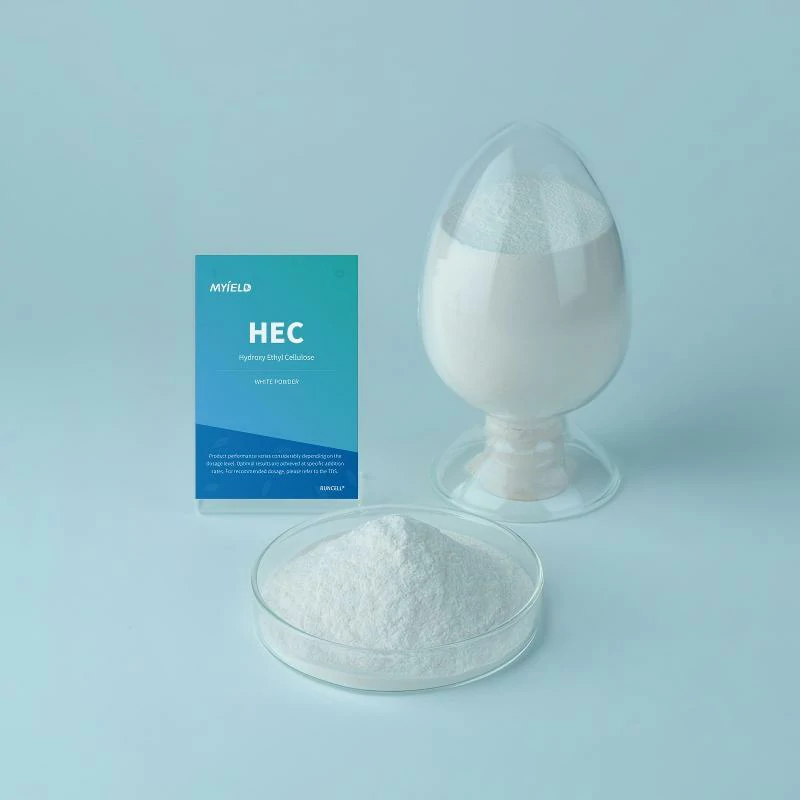
RUNCELL® HEC-30K
- Recommended for: viscosity control and flow tuning in waterborne architectural paints (system-dependent)
- Best for: controlled application feel and stable viscosity direction
- Typical starting dosage: ~0.10%–0.50% in finished paint (trial-based)
RUNCELL® HEC-50K
- Recommended for: higher viscosity targets or improved holding in thicker coatings (system-dependent)
- Best for: stronger viscosity build direction
- Typical starting dosage: ~0.08%–0.40% in finished paint (trial-based)
RUNCELL® HEC-100K
- Recommended for: higher build systems needing stronger thickening efficiency (system-dependent)
- Best for: high-viscosity paint / texture-like systems where compatible
- Typical starting dosage: ~0.05%–0.30% in finished paint (trial-based; start low)
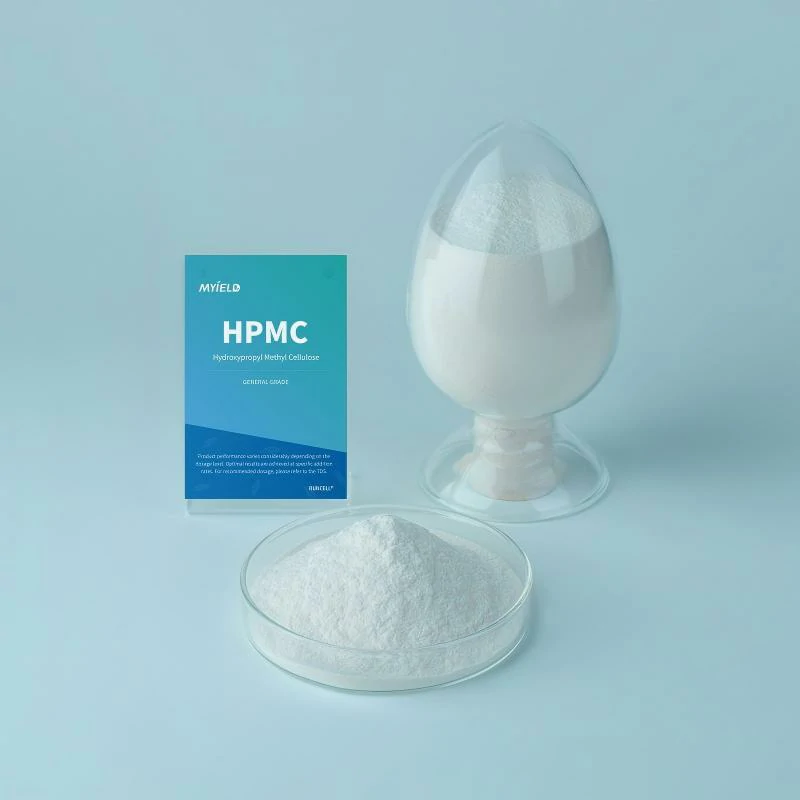
RUNCELL® HPMC KP35
- Recommended for: mineral-based texture coatings and dry-mix architectural coating systems (system-dependent)
- Best for: thickening + workability direction and improved handling in mineral systems
- Typical starting dosage: 0.10%–0.35% by total dry mix (trial-based)
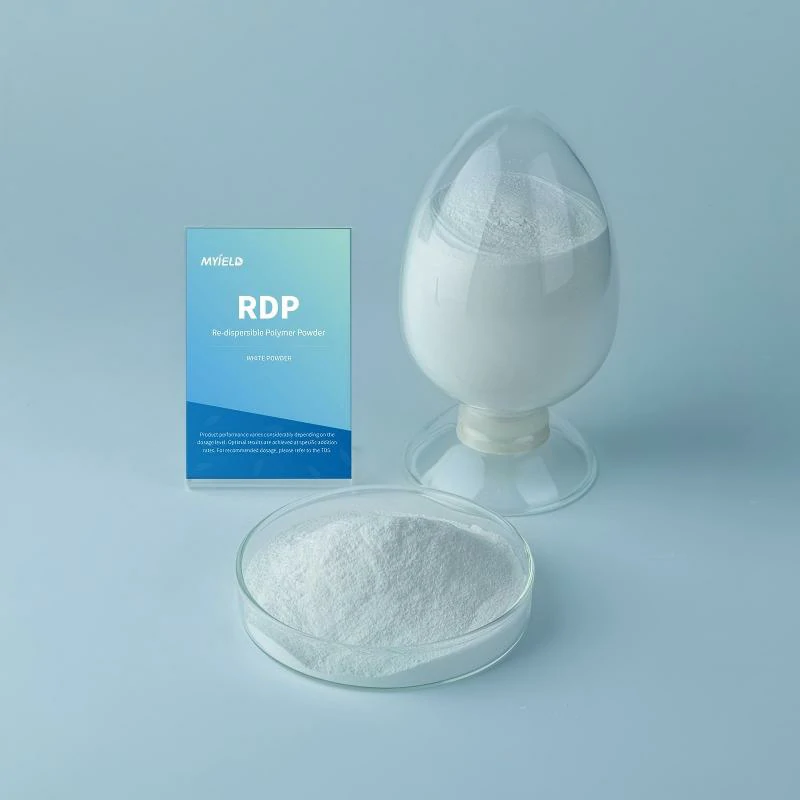
RUNCELL® RDP RE-501A
- Recommended for: dry-mix decorative coatings / mineral coatings needing polymer binding direction
- Best for: improved cohesion, bonding, and durability direction (system-dependent)
- Typical starting dosage: 1.0%–5.0% by total dry mix (trial-based)
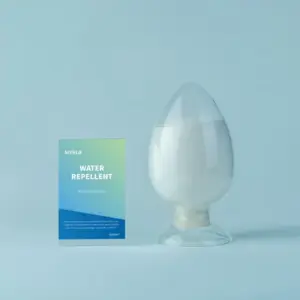
RUNCELL® RDP RE-505EP
- Recommended for: mineral/dry-mix coatings where better water resistance is required (system-dependent)
- Best for: durability direction and reduced water sensitivity (system-dependent)
- Typical starting dosage: 1.0%–5.0% by total dry mix (trial-based)
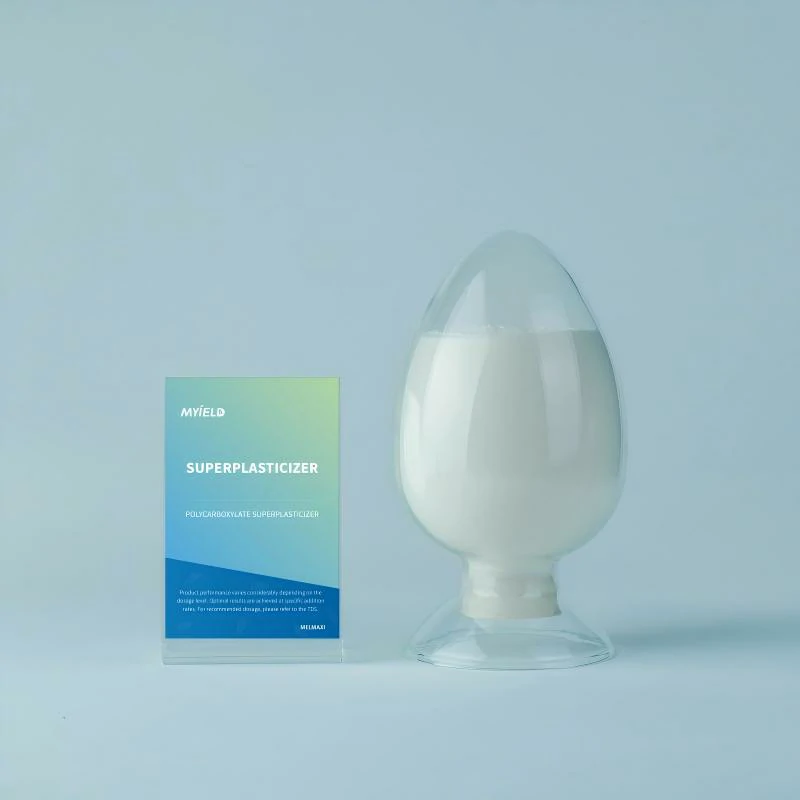
MELMAXI™ P-3080G (PCE Superplasticizer Powder)
- Recommended for: cementitious/mineral coating slurries needing better flow at lower water content (system-dependent)
- Best for: improved workability and reduced water demand direction
- Typical starting dosage: 0.05%–0.30% by binder (trial-based)
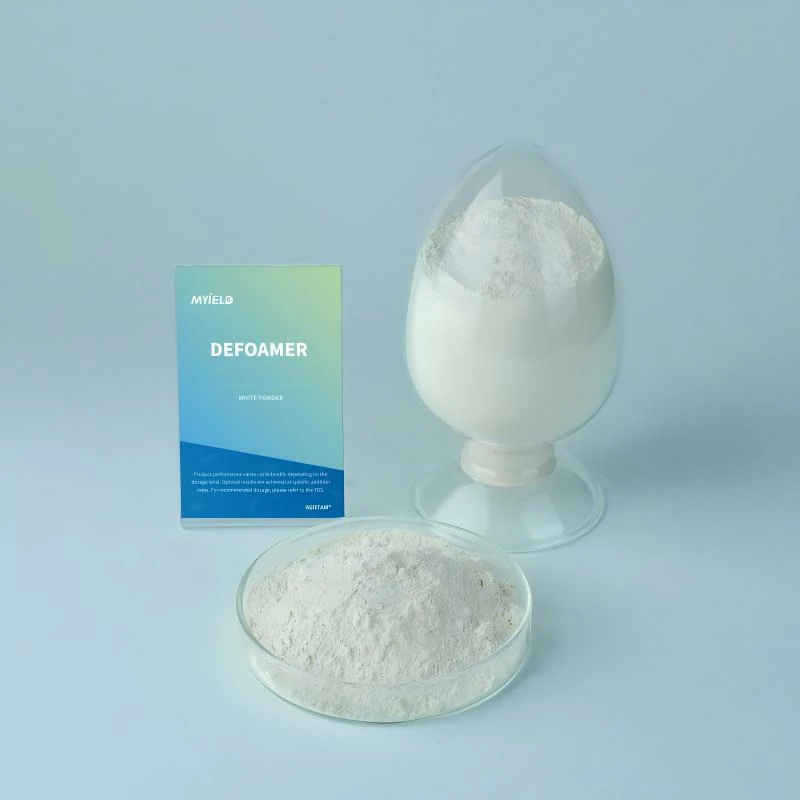
AGIETAM® Defoamer DF-011
- Recommended for: dry-mix coating systems and selected slurry stages where powder defoamer is preferred
- Best for: reduced foam/pinholes and improved surface appearance direction (system-dependent)
- Typical starting dosage: 0.05%–0.30% by total dry mix (trial-based)
Why Choose Myield Chemical
FAQ
Sometimes, but paint systems vary widely. Use HEC-30K as a common baseline and adjust viscosity grade and dosage based on your binder/filler package and target viscosity profile.
RDP supports polymer binding and durability direction in mineral systems, improving cohesion and water resistance (system-dependent). Final performance must be confirmed by trials.
Use a compatible defoamer and optimize mixing/shear and air entrainment. DF-011 is a starting option for powder-based systems; confirm compatibility by trials.