








What Are Water-Based Printing Inks (and Why These Additives Matter)?
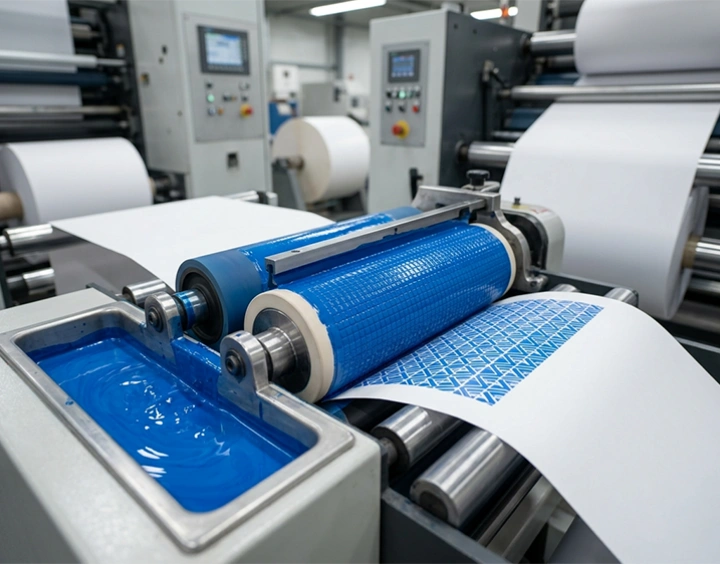
Water-based inks are widely used for packaging and printing applications such as paper & board, corrugated, and selected film/label systems (system-dependent). Typical processes include flexographic, gravure, and screen printing. A water-based ink usually contains pigment dispersion, binder (latex/emulsion), wetting and coalescing aids, rheology control, and defoaming/air-release aids. In this system: HEC can be used to tune viscosity and flow behavior; emulsions act as binder options for film formation and adhesion; and defoamers help reduce foam-related defects and process instability (system-dependent).
Common Challenges in Printing Ink Formulation & Runability
Typical issues ink formulators aim to control include:
Foam and micro-foam → pinholes, craters, unstable transfer, and print defects
Unstable viscosity → poor runability, flooding, or weak print density (system-dependent)
Poor leveling / ribbing / streaks → uneven coverage and visual defects (system-dependent)
Pigment settling or flocculation tendency → inconsistent color strength (system-dependent)
Poor dot/edge definition → spreading/bleeding or poor sharpness (system-dependent)
Shear sensitivity → viscosity loss under high shear, or slow recovery after shear (system-dependent)
Myield Chemical Solution (Scope-Limited on This Page)
To keep selection clear, this page is strictly limited to the following Myield product families only:
thickening and rheology modification option for water-based ink systems (system-dependent)
foam control and air-release direction to reduce print defects (system-dependent)
binder option for water-based ink/coating-type systems (system-dependent)
binder option for selected water-based systems (system-dependent)
Stronger Results with the Right Additive System
Printing inks are highly formulation-dependent (pigment type, dispersion quality, binder chemistry, pH, solvent/co-solvent balance, and shear history). When viscosity control, binder selection, and air management are aligned, ink stability and print quality are easier to maintain across production and press conditions.
What This Additive System Can Deliver (System-Dependent)
A well-selected cellulose ether helps tile adhesives achieve stable fresh performance and reliable bonding behavior.
stable viscosity and flow for more consistent transfer and coverage
controlled shear behavior and recovery for press stability (system-dependent)
fewer foam-related defects such as pinholes/craters
improved stability window for pigments and fillers (system-dependent)
film formation and adhesion support through compatible emulsion selection (system-dependent)
Typical Printing Ink Systems We Support (System-Dependent)
Recommended Myield Grades for Printing Inks
Below are suggested starting grades in a product-card layout. Final selection and dosage must be confirmed by trials based on viscosity target, printing process, pigment system, and binder chemistry.
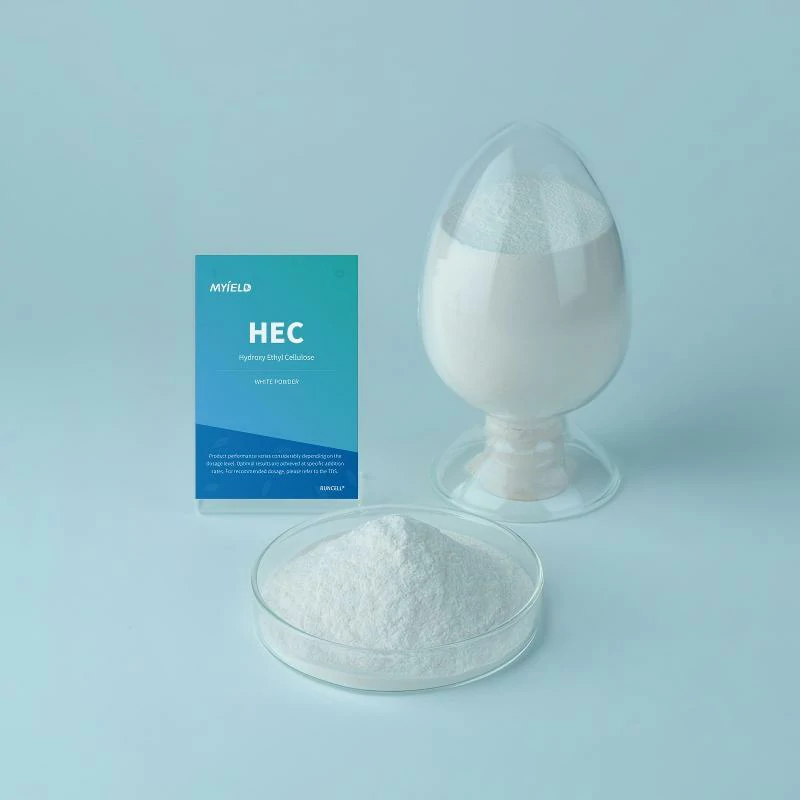
Recommended Grade 2 (HEC — General Rheology Control for Water-Based Inks)
RUNCELL® HEC-30K
- Recommended for: baseline thickening and rheology control in many waterborne ink systems (system-dependent)
- Best for: balanced viscosity build direction and stable handling
- Typical starting dosage: ~0.05%–0.35% (trial-based)
Recommended Grade 3 (HEC — Higher Build / Better Holding Direction)
RUNCELL® HEC-50K
- Recommended for: systems needing higher viscosity or better holding direction (system-dependent)
- Best for: improved viscosity build and shear recovery direction (system-dependent)
- Typical starting dosage: ~0.03%–0.25% (trial-based; start low and titrate)
Recommended Grade 4 (HEC — High Viscosity Option for Screen/High-Build Systems)
RUNCELL® HEC-100K
- Recommended for: higher-viscosity inks or screen-type systems where strong build is required (system-dependent)
- Best for: strong thickening efficiency direction
- Typical starting dosage: ~0.02%–0.18% (trial-based; start low)
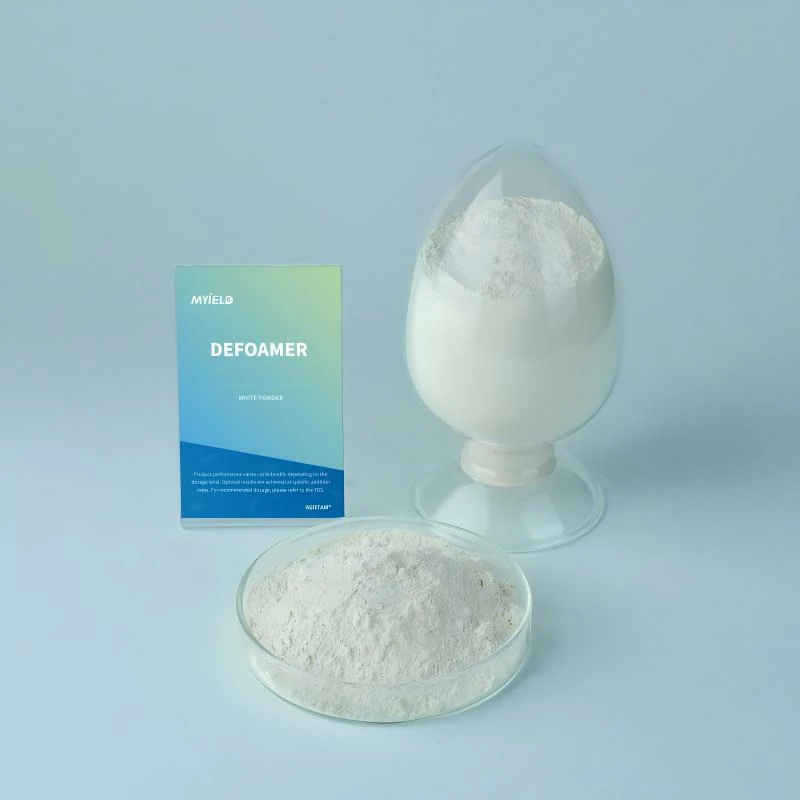
Recommended Grade 5 (Defoamer Powder — Foam Control for Cleaner Prints)
AGIETAM® Defoamer DF-011
- Recommended for: reducing foam and micro-foam that can cause pinholes/craters and unstable transfer
- Best for: fast defoaming + long-lasting foam suppression direction (system-dependent)
- Typical starting dosage: 0.05%–0.30% (trial-based; optimize to avoid over-defoaming side effects)
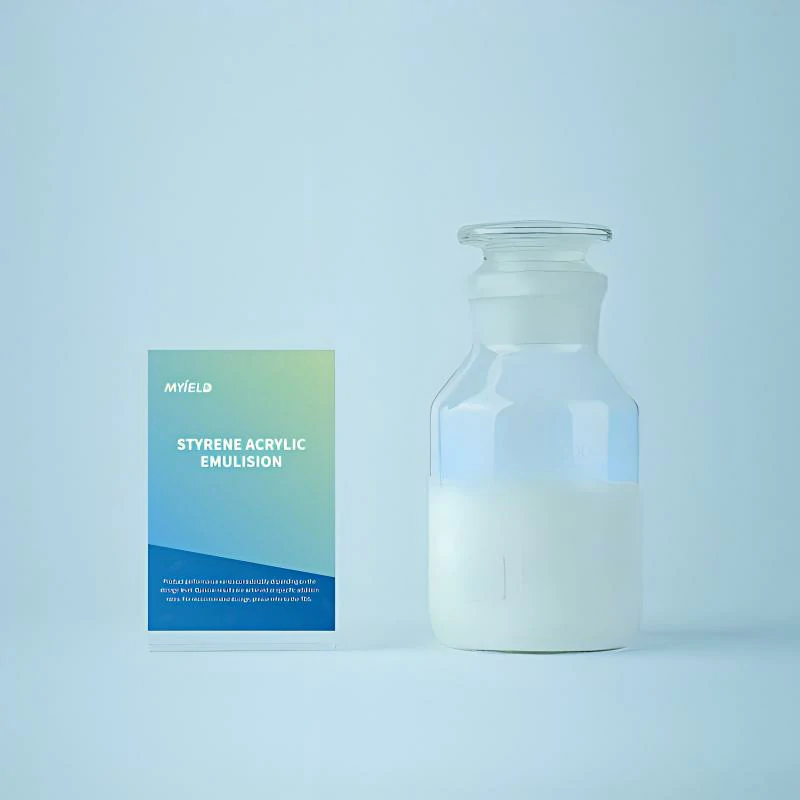
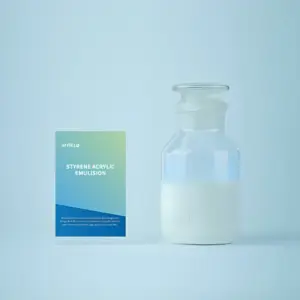
Recommended Grade 6 (Styrene-Acrylic Emulsion — Waterborne Binder Option)
BM‑207 (Styrene‑Acrylic Emulsion)
- Recommended for: water-based ink/coating-type systems as a binder option (system-dependent)
- Best for: film formation and adhesion direction when compatible with your pigment and process
- Typical starting dosage: set by binder demand; confirm rub, adhesion, and water resistance by trials
Recommended Grade 7 (Styrene-Acrylic Emulsion — Alternative Binder Option)
BM‑278 (Styrene‑Acrylic Emulsion)
- Recommended for: binder screening when a different rheology/film balance is required (system-dependent)
- Best for: performance tuning direction by matching resin chemistry to substrate/printing needs
- Trial notes: validate viscosity stability, dry speed, and print defects
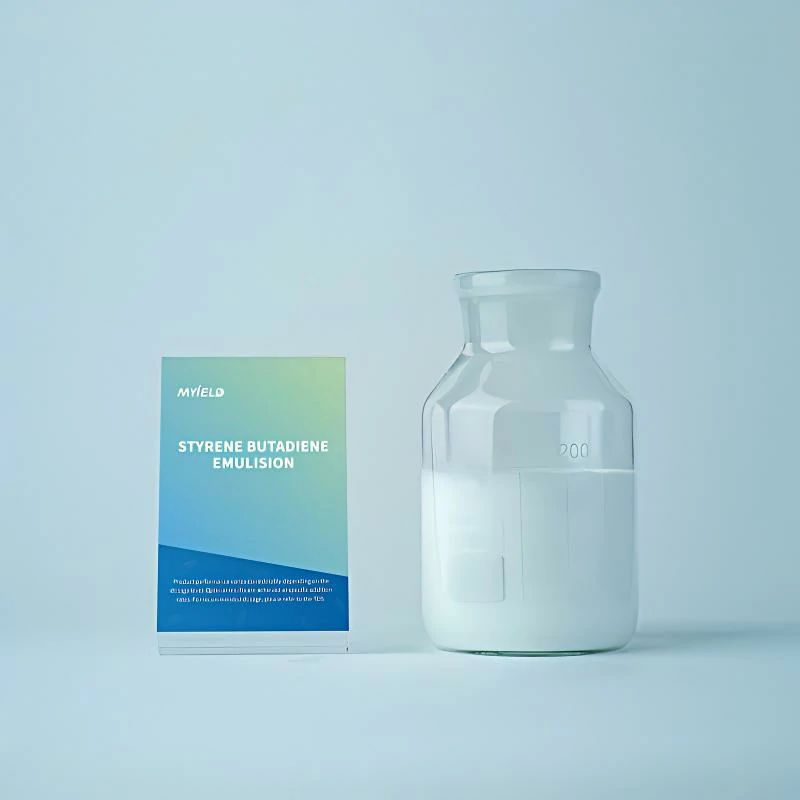
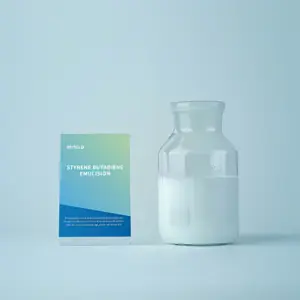
Recommended Grade 8 (Styrene-Butadiene Emulsion — SBR Latex Binder Option)
DM‑373 (Styrene‑Butadiene Latex)
- Recommended for: selected water-based systems where SBR latex compatibility is preferred (system-dependent)
- Best for: binder performance direction in compatible ink/coating applications
- Trial notes: validate odor/appearance, stability, rub resistance, and substrate adhesion
Why Choose Myield Chemical
FAQ
Yes—HEC is commonly evaluated as a thickening and rheology option in waterborne systems. The best grade and dosage depend on viscosity target, shear conditions, and the rest of the formulation.
Foam and micro-foam are common causes. Use a compatible defoamer and optimize mixing/shear and air release. Confirm by circulation tests and print trials.
Binder selection depends on substrate, required film properties, and compatibility with the pigment package. Screen both families where relevant and confirm adhesion, rub resistance, and stability by trials.