































What Is Home Care Detergent Formulation?
Home care detergent formulations often combine surfactants, builders, solvents, salts, fragrances, and functional additives. To deliver a premium look-and-feel and stable performance, formulators typically need controlled viscosity and stable phase behavior—especially in products such as dishwashing liquids, all-purpose cleaners, bathroom/kitchen cleaners, gel cleaners, and suspension-type cleaners. Cellulose ethers (HPMC / HEC) are widely used as rheology modifiers to provide thickening, suspension support, and improved application behavior (system-dependent).
Common Challenges in Home Care Detergents
Typical issues formulators aim to control include:
Viscosity drift over time — thinning or over-thickening during storage (system-dependent)
Poor suspension stability — particles settle or separate in suspension-type cleaners (system-dependent)
Weak cling / run-off — poor contact time on vertical surfaces (system-dependent)
Hard-to-control flow — stringiness, poor pour, or inconsistent dispensing
Mixing challenges — lumping, slow hydration, or batch variability
Appearance issues — haze or reduced clarity in clear/transparent products (system-dependent)
Myield Chemical Solution
To keep selection clear, this page is strictly limited to the following Myield product families only:
Cellulose Ethers: HPMC / HEC — thickening, rheology control, suspension stability direction, and application feel (trial-based).
Stronger Results with the Right Additive System
In home care detergents, cellulose ether type and viscosity grade should be matched to the surfactant system, salt level, clarity target, and performance needs (trial-based).
What HPMC / HEC Can Deliver
supports consistent pour/dispense and user experience
helps reduce settling in suspension-type cleaners (system-dependent)
helps products stay longer on vertical surfaces for better contact time (system-dependent)
supports more uniform spreading and less “watery” perception
selected grades can improve hydration behavior and mixing consistency (process-dependent)
Typical Home Care Products We Support
Recommended Myield Grades for Home Care Detergents
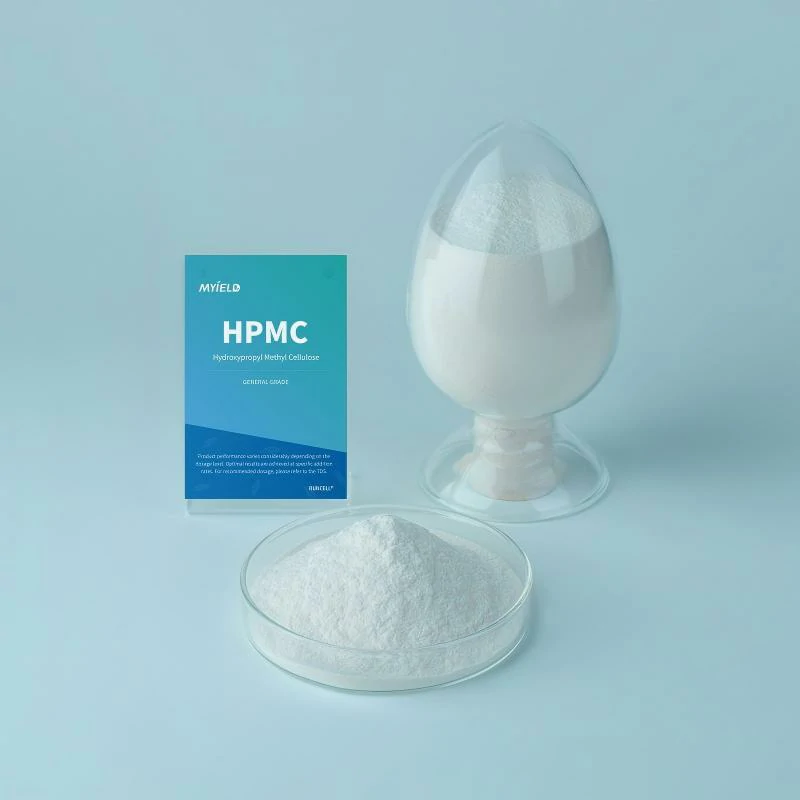
RUNCELL® HPMC KP200D
- Recommended for: home care detergent systems requiring quick hydration and stable thickening direction
- Best for: clear/transparent gel direction and consistent viscosity build (system-dependent)
- Typical starting dosage: ~0.20%–0.80% in finished formulation (trial-based)
RUNCELL® HPMC KP250D
- Recommended for: systems needing stronger viscosity build and richer body feel direction
- Best for: gel-type cleaners and products needing better cling direction (system-dependent)
- Typical starting dosage: ~0.15%–0.70% in finished formulation (trial-based; start low and titrate)
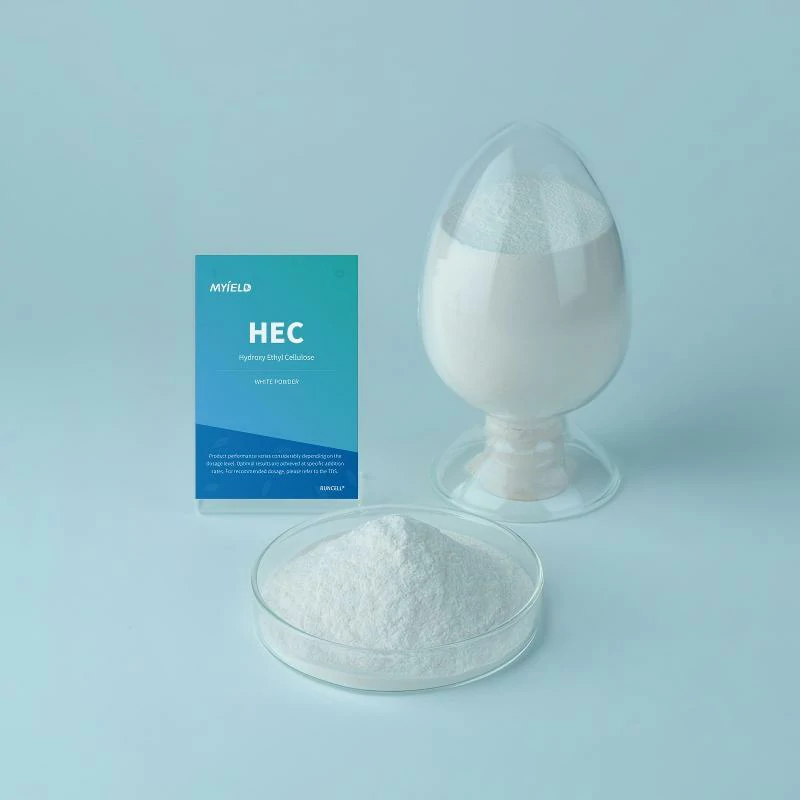
RUNCELL® HEC-50K
- Recommended for: general home care detergent thickening where balanced control is needed
- Best for: viscosity tuning and suspension support direction in selected systems (system-dependent)
- Typical starting dosage: ~0.15%–0.80% in finished formulation (trial-based)
RUNCELL® HEC-100K
- Recommended for: higher viscosity targets or stronger thickening efficiency direction
- Best for: gel cleaners or systems needing higher build direction (system-dependent)
- Typical starting dosage: ~0.10%–0.60% in finished formulation (trial-based)
RUNCELL® HEC-30K
- Recommended for: lighter thickening needs or viscosity fine-tuning direction
- Best for: formulations where flow/dispense needs to stay relatively low-viscosity (system-dependent)
- Typical starting dosage: ~0.15%–0.90% in finished formulation (trial-based)
Why Choose Myield Chemical
FAQ
HPMC is often selected for fast hydration and gel/clarity direction in many systems, while HEC is commonly used for viscosity tuning and suspension support direction. Final fit depends on your surfactant and electrolyte system.
Use controlled addition under sufficient mixing. Adjust mixing sequence and temperature based on your equipment and base formulation.
Run viscosity drift tests, clarity/haze checks, and accelerated stability (cold/heat cycles) along with settling tests for suspension products.