

















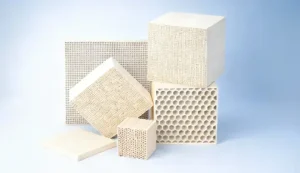


What Is Plaster & Render?
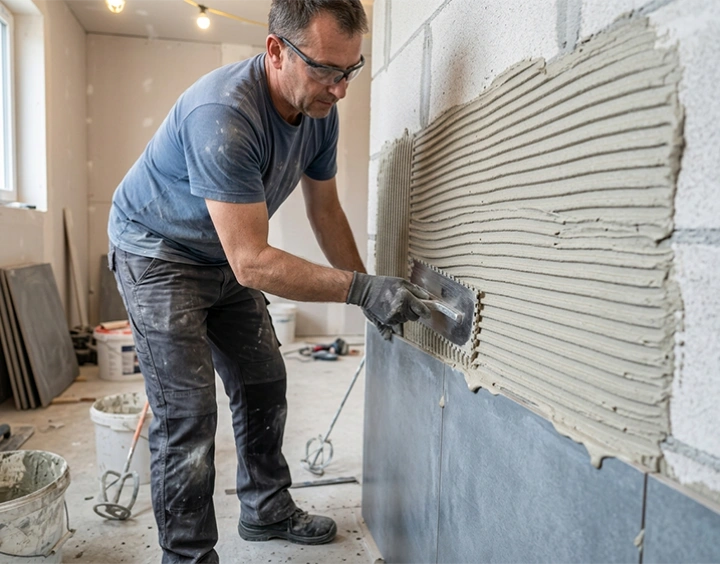
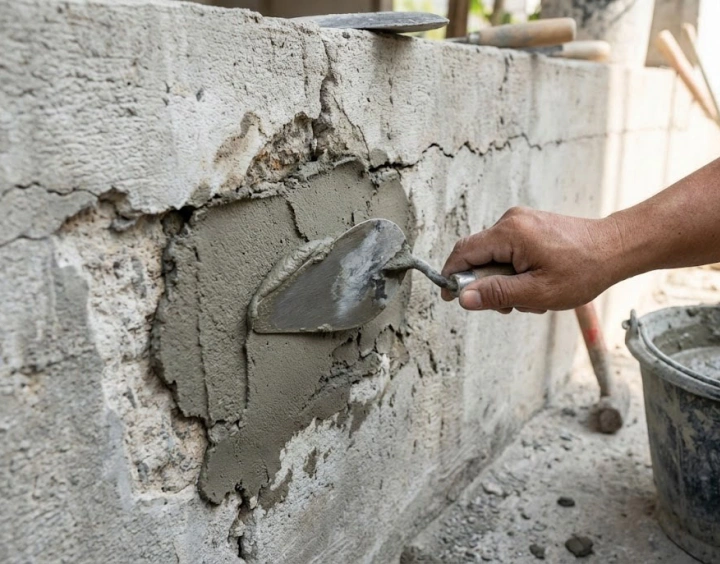
Plaster and render are cement- or gypsum-based mortars used to level and protect walls and ceilings, providing a base for finishing coats and decorative surfaces. A good plaster/render must spread easily, hold on vertical surfaces, resist rapid water loss, and deliver consistent finishing behavior across different jobsite conditions.
Common Formulation Challenges in Plaster & Render
Common issues manufacturers aim to solve include:
Draggy workability and poor leveling — slow application and uneven surfaces
Sagging / poor build on vertical surfaces — thickness loss and rework risk
Fast drying / low water retention — weak hydration and unstable finishing
Surface tearing and defects — poor finish quality (system-dependent)
Shrinkage and cracking sensitivity — reduced durability (system-dependent)
Inconsistent open time — unstable operation and productivity loss
Myield Chemical Solution for Plaster & Render
Myield focuses on two additive families that control the apply–build–finish chain in plaster and render formulations:
1) Cellulose Ethers (HPMC / HEMC)
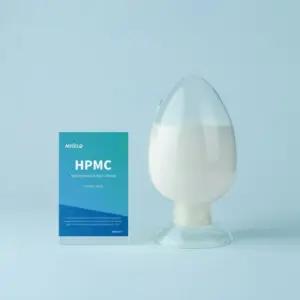
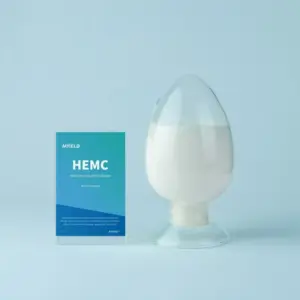
Cellulose ethers optimize fresh mortar behavior (mixing, pumping, spreading, leveling) and stabilize water retention for more reliable hydration and curing.
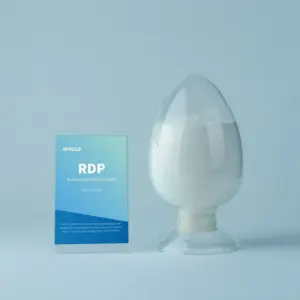
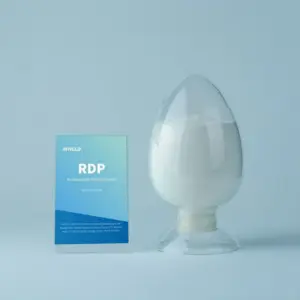
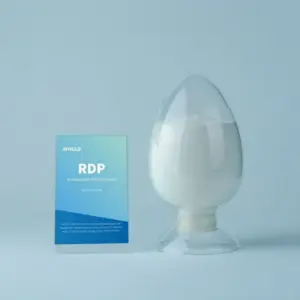
2) RDP Powder (Redispersible Polymer Powder)
RDP enhances adhesion, cohesion, and toughness for polymer-modified systems, supporting more robust hardened performance (system-dependent).
Cellulose Ethers in Plaster & Render (HPMC / HEMC)
Cellulose ethers are widely used in plaster and render formulations to improve workability, water retention, open time stability, and application consistency.
Key Benefits:
Stronger Results with the Right Additive System
Myield cellulose ethers help plaster and render mortars spread smoothly, level more easily, and maintain consistent troweling feel—supporting cleaner finishing and more uniform surfaces.
Controlled water retention reduces premature water loss and supports stable binder hydration, helping reduce surface tearing and shrinkage-related defects (system-dependent).
RDP supports adhesion and cohesion improvements, helping plaster/render layers become more robust—especially when higher performance is required.
Recommended Myield Grades for Plaster & Render
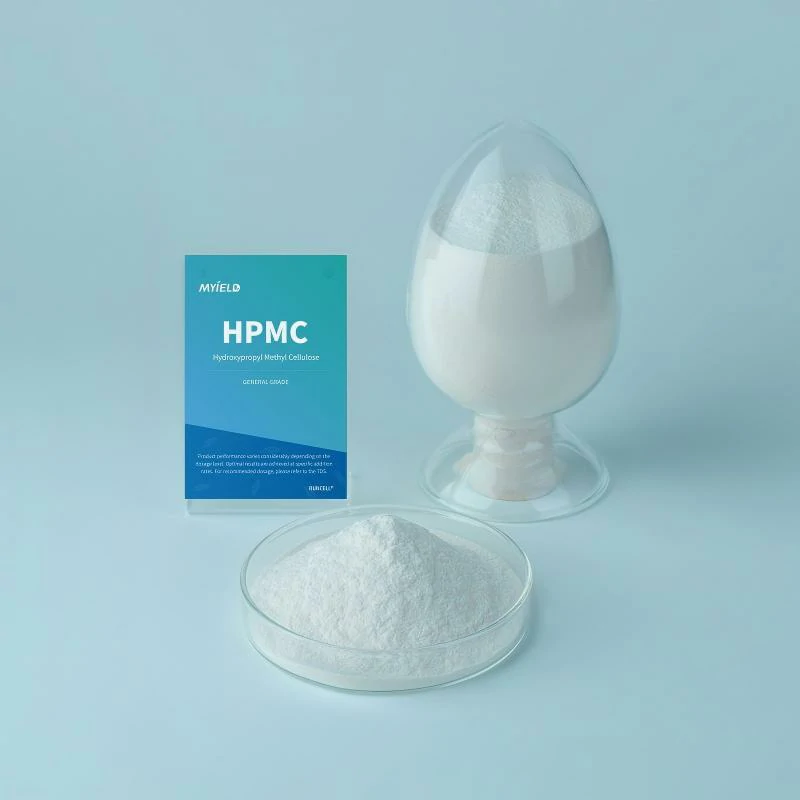
RUNCELL® HPMC KP35G
- Recommended use: Gypsum-based plaster and gypsum finishing systems
- Key features: Stable workability, strong water retention, smoother finishing window
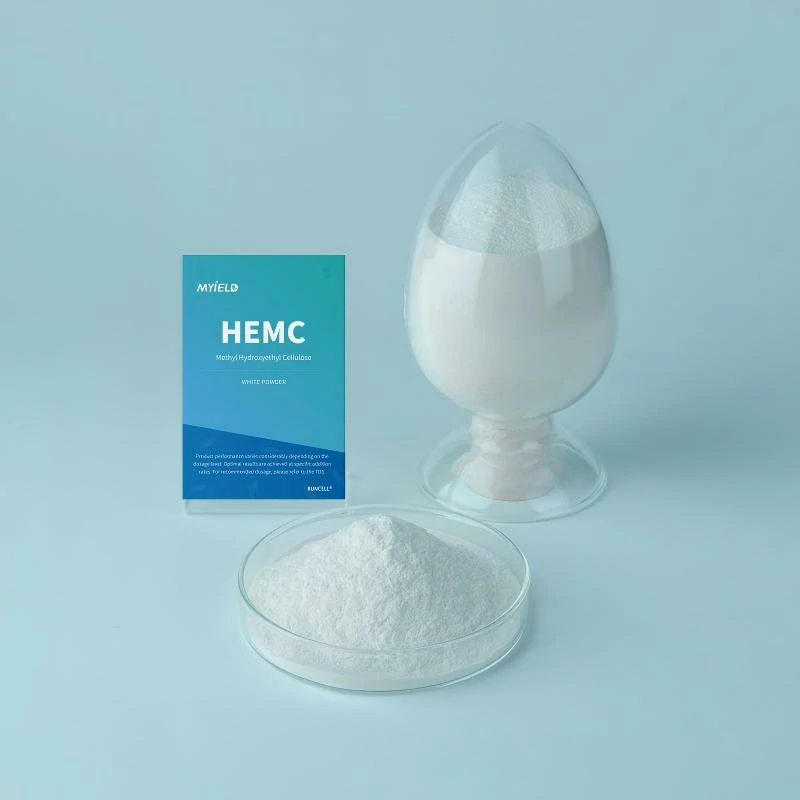
RUNCELL® HEMC / MHEC KE30(S)
- Recommended use: Cement-based render and plastering mortars requiring stable build and handling
- Key features: Balanced rheology, improved consistency stability, good application control
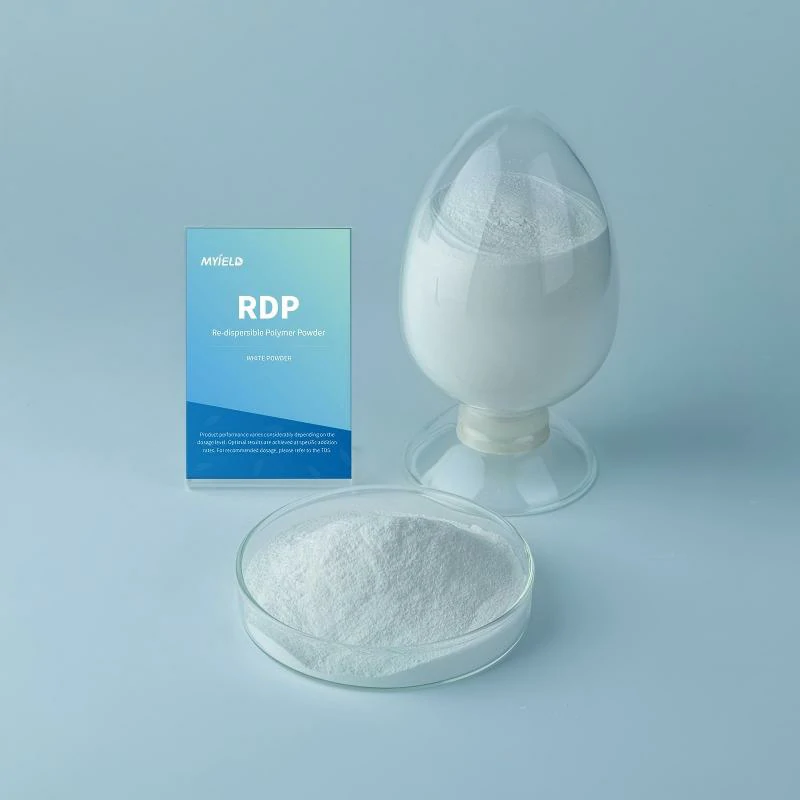
RUNCELL® RDP RE-505EP
- Recommended use: Polymer-modified plaster/render systems targeting stronger cohesion and adhesion (system-dependent)
- Key features: Improved adhesion, better cohesion, enhanced durability balance
Why Choose Myield Chemical
FAQ
Not always. Many standard plaster/render systems rely primarily on cellulose ethers for water retention and workability. RDP is often used when improved adhesion, cohesion, or durability is required (system-dependent).
Both can work. Selection depends on system type (gypsum vs cement), required handling feel, and process conditions. Many customers start with one recommended grade and fine-tune by trials.
Stable water retention and controlled rheology reduce premature drying and improve application stability—helping achieve more consistent finishing (system-dependent).
Yes. Share binder type (gypsum/cement), sand grading, target feel, and application method (hand/spray/pump), and we will suggest suitable grades and a clear trial plan.