



















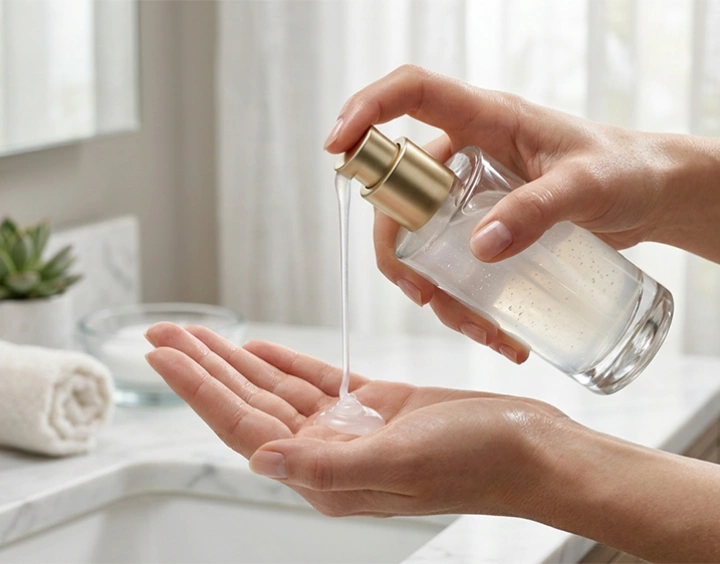
What Is Personal Care Detergent Formulation?
Personal care detergents include cleansing and wash-off systems such as shampoo, body wash, hand wash, facial cleansers, and selected conditioning or pearlized cleansing products. These formulations balance surfactants, conditioning agents, humectants, salts/electrolytes, polymers, and fragrance systems. Cellulose ethers (HPMC / HEC) are widely used as rheology modifiers to deliver controlled viscosity, stable flow, and improved user experience while supporting formulation stability (system-dependent).
Common Challenges in Personal Care Detergents
Typical issues formulators aim to control include:
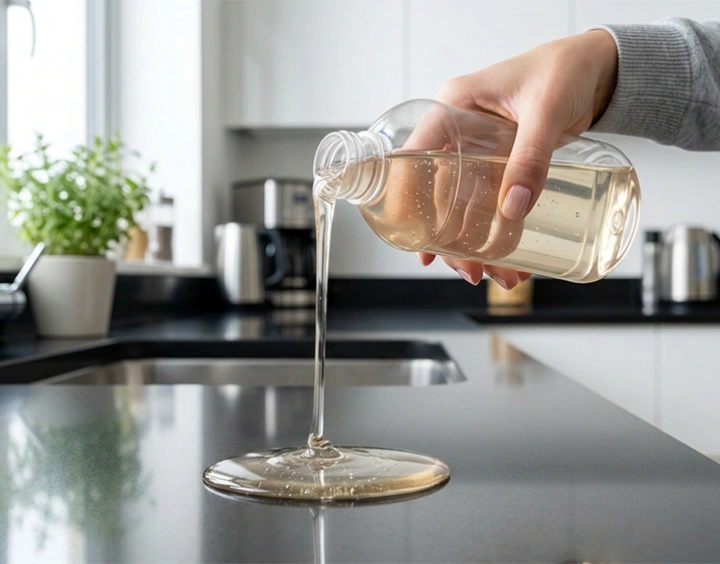
Viscosity drift — thinning or thickening over time (system-dependent)
Stringiness or poor flow — unpleasant dispensing and inconsistent spread
Clarity and appearance issues — haze, loss of transparency, or instability in visual effects (system-dependent)
Phase instability — separation under temperature cycles or salt adjustments (system-dependent)
Suspension needs — stable dispersion of pearls, actives, or mild exfoliants (system-dependent)
Sensory challenges — tacky feel, drag, or reduced “silky” perception (system-dependent)
Myield Chemical Solution
To keep selection clear, this page is strictly limited to the following Myield product families only:
Cellulose Ethers: HPMC / HEC — thickening, rheology control, suspension stability direction, and sensory feel tuning (trial-based).
Stronger Results with the Right Additive System
In personal care detergents, the right cellulose type and viscosity grade should be matched to surfactant system, salt level, clarity target, and sensory requirements (trial-based).
What HPMC / HEC Can Deliver
supports consistent dispensing and consumer experience
supports more uniform application and reduced “watery” perception
helps keep pearls/actives uniformly dispersed in suspension systems (system-dependent)
improves contact time and application behavior (system-dependent)
selected grades can improve hydration behavior and mixing consistency (process-dependent)
Typical Personal Care Detergent Products We Support
Recommended Myield Grades for Personal Care Detergents
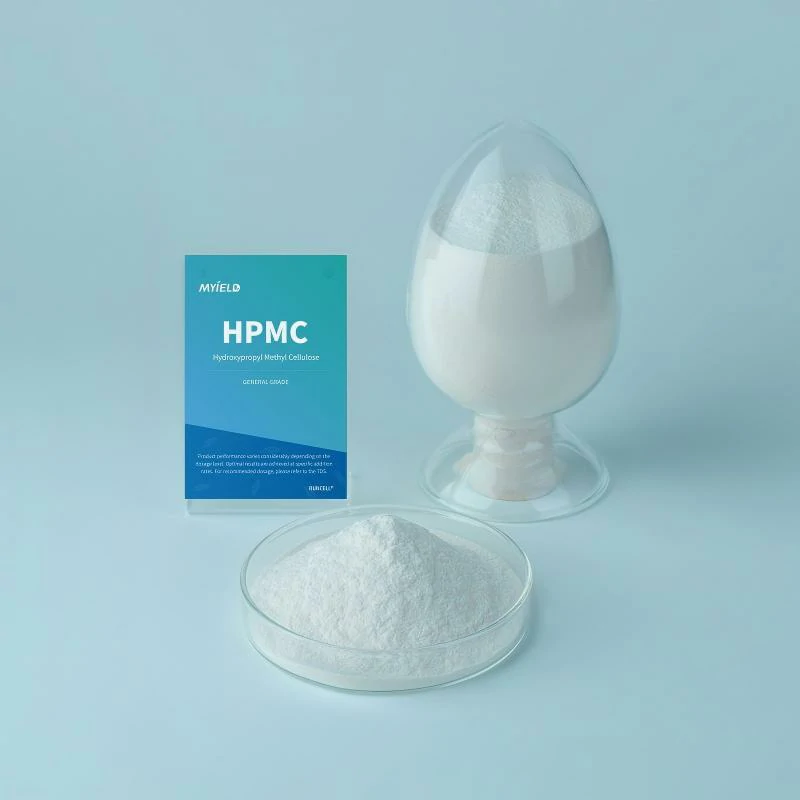
RUNCELL® HPMC KP200D
- Recommended for: personal care cleansing systems requiring quick hydration and clear gel direction
- Best for: stable thickening direction with good visual clarity in many systems (system-dependent)
- Typical starting dosage: ~0.15%–0.70% in finished formulation (trial-based)
RUNCELL® HPMC KP250D
- Recommended for: systems needing richer body feel and stronger viscosity build direction
- Best for: shower gels and cleansers where thicker rheology is preferred (system-dependent)
- Typical starting dosage: ~0.10%–0.60% in finished formulation (trial-based; start low and titrate)
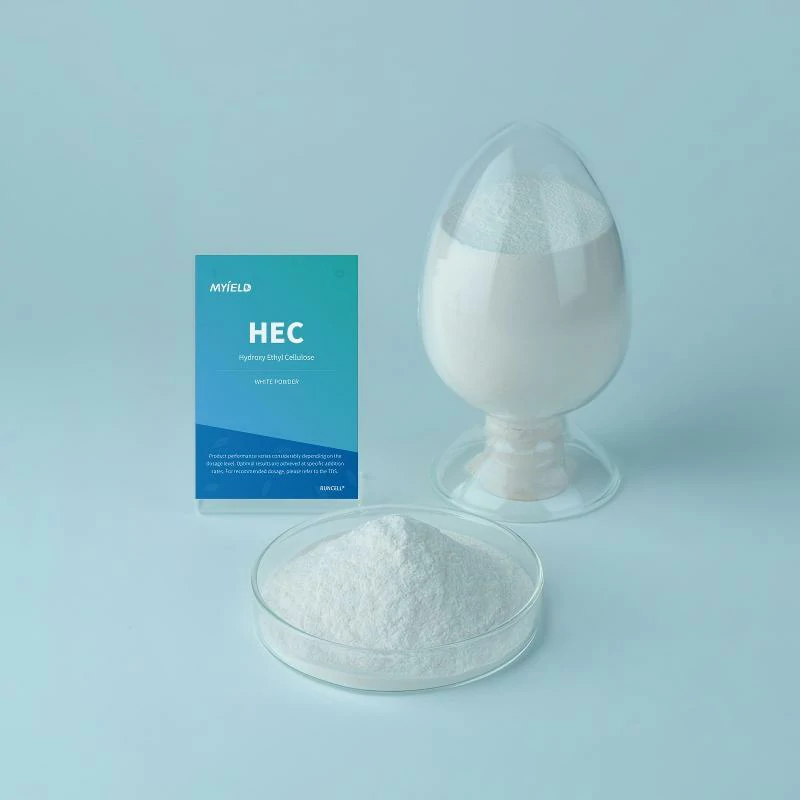
RUNCELL® HEC-30K
- Recommended for: viscosity tuning where moderate build and smooth flow are required
- Best for: controlling dispense feel and reducing stringiness direction in selected systems (system-dependent)
- Typical starting dosage: ~0.10%–0.80% in finished formulation (trial-based)
RUNCELL® HEC-50K
- Recommended for: systems requiring stronger viscosity and suspension support direction (system-dependent)
- Best for: pearlized/suspension cleansers where stable dispersion is needed (trial-based)
- Typical starting dosage: ~0.10%–0.60% in finished formulation (trial-based)
RUNCELL® HEC-100K
- Recommended for: higher viscosity targets and stronger thickening efficiency direction
- Best for: gel cleansers requiring higher build direction (system-dependent)
- Typical starting dosage: ~0.08%–0.45% in finished formulation (trial-based)
Why Choose Myield Chemical
FAQ
HPMC is often selected for fast hydration and clarity direction in many wash-off systems, while HEC is commonly used for viscosity tuning and suspension support direction. Final fit depends on your surfactant and electrolyte system.
Use accelerated stability tests (cold/heat cycles) and tune polymer dosage, electrolyte level, and solvent balance. System compatibility must be confirmed by trials.
Check dispensing feel, spread, rinsability, foam feel, and after-feel. Pair sensory checks with objective viscosity and stability tests.