




















What Is Tile Adhesive?
Gypsum applications refer to building-material systems based on calcium sulfate hemihydrate (gypsum) that harden through hydration and crystal growth. Compared with cement-based mortars, gypsum systems are more sensitive to setting control and water management. Additives are used to tune setting time, workability, water retention, and adhesion—helping ensure predictable processing and consistent jobsite performance.
Common Formulation Challenges in Gypsum Systems
Typical challenges manufacturers aim to solve include:
Setting too fast or too slow — poor working window and inconsistent finishing
Unstable workability — draggy troweling, poor leveling, and uneven surfaces
Water sensitivity — weak body formation, surface tearing, or poor finish (system-dependent)
Sagging / poor build on vertical surfaces — hard to shape and finish (process-dependent)
Pinholes and surface defects — reduced paint appearance and rework
Weak adhesion / cohesion — powdering, low surface integrity, or delamination risk (system-dependent)
Batch-to-batch variability — unstable production and onsite complaints
Myield Chemical Solution for Gypsum Applications
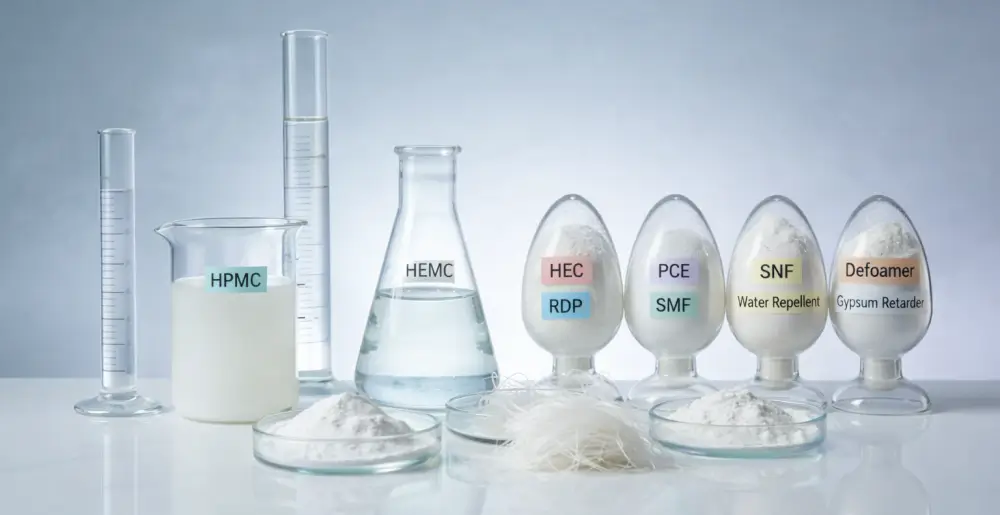
Myield focuses on three additive families that control the mix–apply–set–finish chain in gypsum formulations:
1) Cellulose Ethers (HPMC / HEMC)
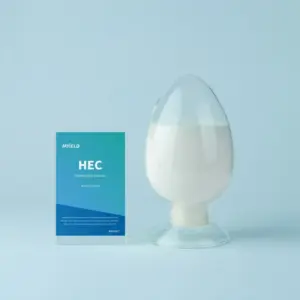
Stabilize water retention and rheology to improve workability, open time, and finishing consistency.
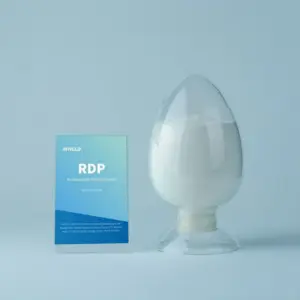
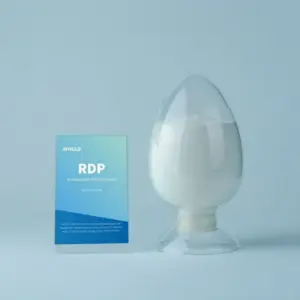
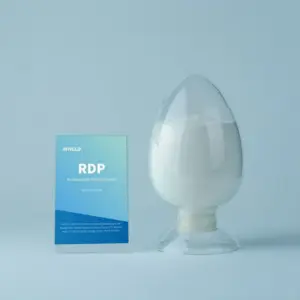
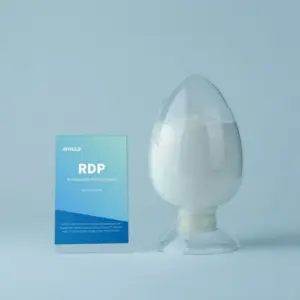
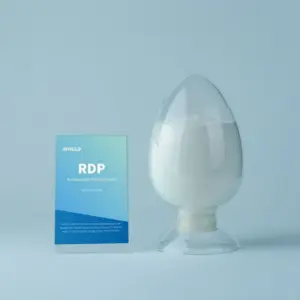
2) RDP (Redispersible Polymer Powder)
Improve adhesion, cohesion, and toughness for polymer-modified gypsum systems (system-dependent).
3) Gypsum Retarder
Controls gypsum hydration rate and setting time, enabling a predictable working window and consistent finishing.
Cellulose Ethers in Gypsum Systems (HPMC / HEMC)
A well-selected cellulose ether supports smooth application and stable water management in gypsum plaster, skim coat, and joint filler systems.
Key Benefits:
Typical dosage guidance (starting point): 0.10%–0.35% by dry mix weight (final dosage should be confirmed by trials).
RDP in Gypsum Applications
RDP can be used in gypsum-based products when improved adhesion, cohesion, and robustness are required (system-dependent).
Key Benefits:
Typical dosage guidance (starting point): 0.5%–4.0% by dry mix weight (adjust based on target performance and cost positioning).
Gypsum Retarder in Gypsum Applications
Gypsum retarder is essential for controlling setting time and improving process stability in gypsum-based systems.
Key Benefits:
Typical dosage guidance (starting point): 0.5%–4.0% by dry mix weight (adjust based on target performance and cost positioning).
Stronger Results with the Right Additive System
Gypsum retarder sets the working window; cellulose ether stabilizes water retention and rheology—helping gypsum systems stay workable and predictable during application.
Stable water management and consistent set control support better leveling and finishing behavior, reducing tearing, pinholes, and surface instability (system-dependent).
RDP improves adhesion and cohesion for polymer-modified gypsum systems. Together with controlled set and stable workability, it helps achieve more robust overall performance (system-dependent).
Recommended Myield Grades for Gypsum Applications
Below are recommended grades presented in a product-card layout. Final grade selection and dosage should be confirmed by lab trials.
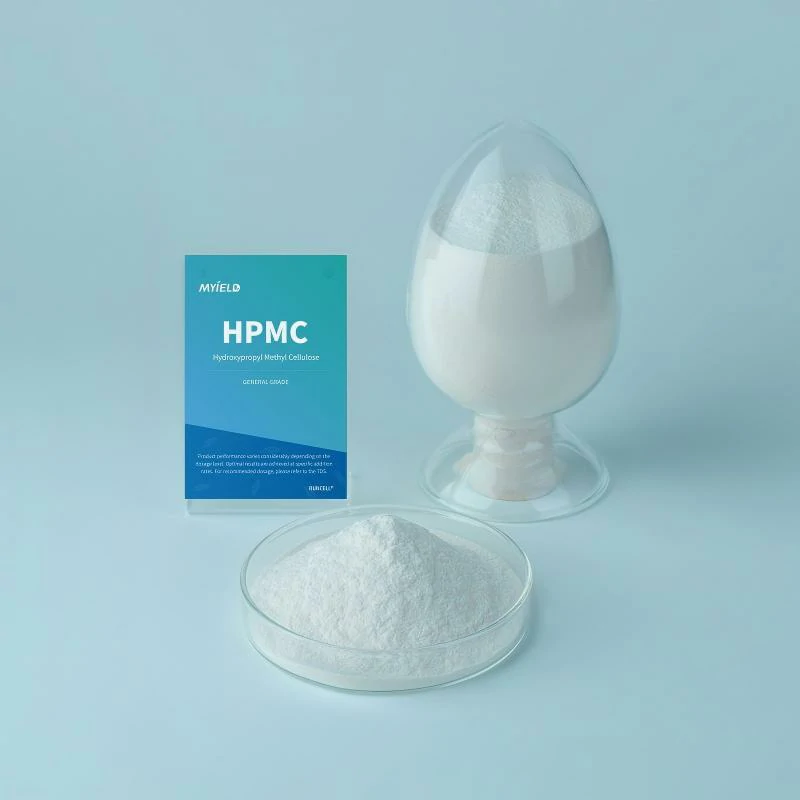
RUNCELL® HPMC KP35G
- Recommended for: Gypsum plaster and gypsum finishing systems
- Formulation value: Smooth workability, stable water retention, improved finishing window
- Typical dosage (starting point): 0.12%–0.30% by dry mix weight
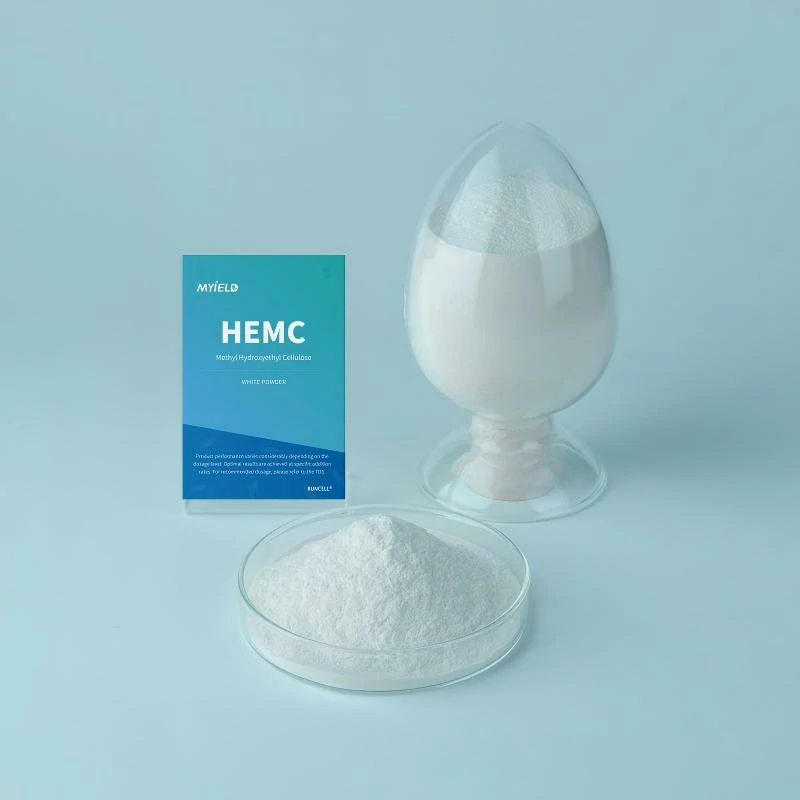
RUNCELL® HEMC / MHEC E5000(S)
- Recommended for: Balanced handling and consistency control in gypsum-based finishing products
- Formulation value: Stable rheology, improved application control and leveling (trial-based)
- Typical dosage (starting point): 0.10%–0.30% by dry mix weight
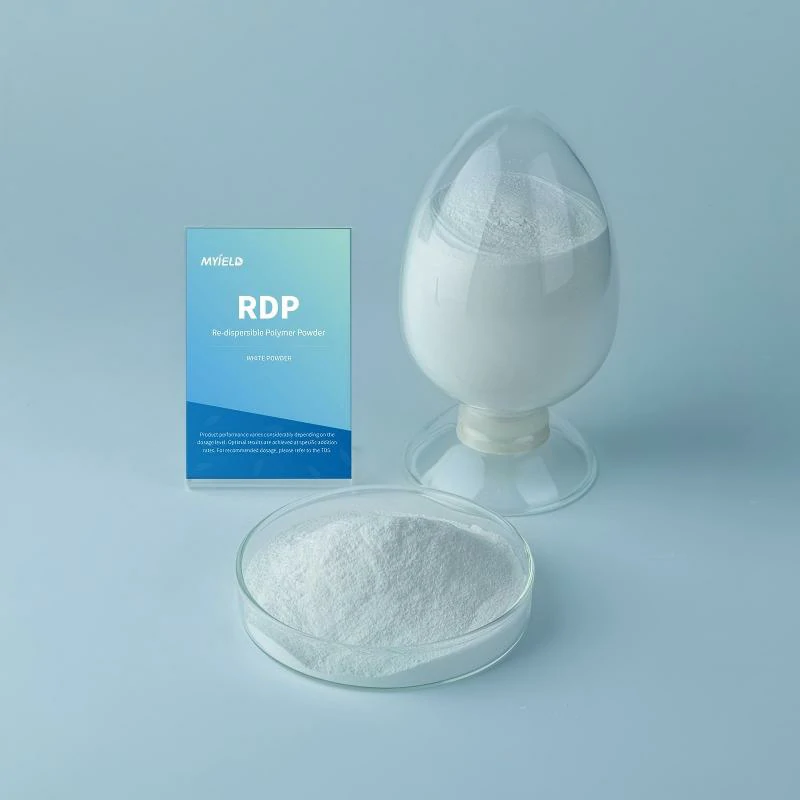
RUNCELL® RDP RE-505EP
- Recommended for: Polymer-modified gypsum skim coats / patching products requiring better cohesion and adhesion (system-dependent)
- Formulation value: Improved adhesion and toughness balance (trial-based)
- Typical dosage (starting point): 0.8%–3.0% by dry mix weight
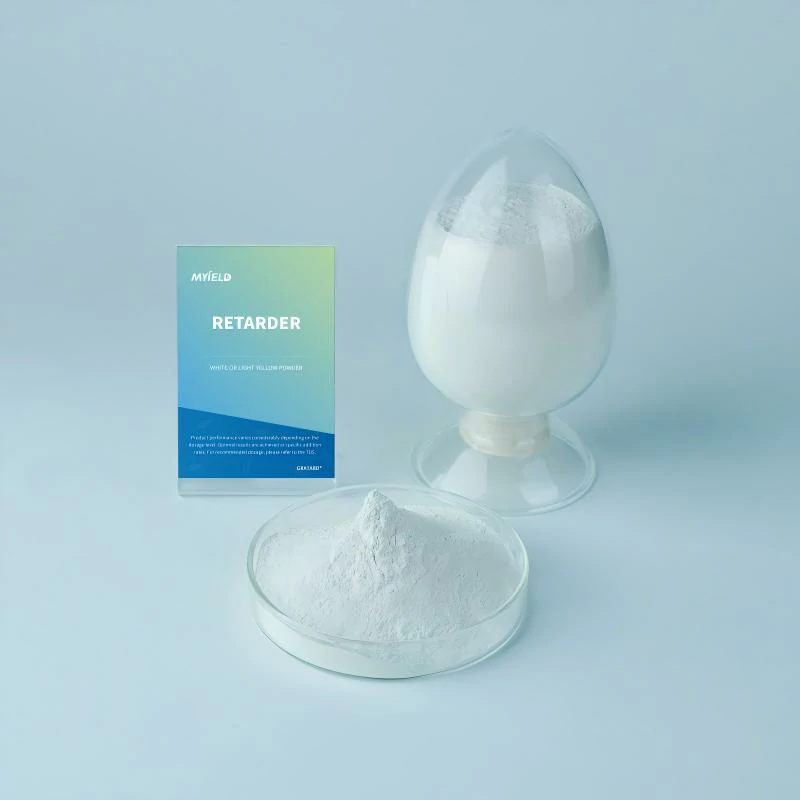
GRATARD™ Gypsum Retarder GR-07A
- Recommended for: Gypsum systems requiring stable and controllable set time (process-dependent)
- Formulation value: Controlled hydration rate, improved working window and finishing stability
- Typical dosage (starting point): 0.03%–0.20% by binder weight (trial-based)
Why Choose Myield Chemical
FAQ
Gypsum systems can set quickly. Retarder controls hydration rate and provides a predictable working window, improving production and finishing stability.
Not always. Many gypsum plasters and finishing products rely mainly on cellulose ethers and retarder. RDP is commonly used when higher adhesion, cohesion, or toughness is required (system-dependent).
Selection depends on gypsum reactivity, temperature, water ratio, and target set time. Start with a low dosage and adjust based on lab set-time testing.
Yes. Share your gypsum type/source, target set time, application method, and key raw materials, and we will recommend grades and a clear trial direction.