































What Is Wall Putty / Skim Coat?
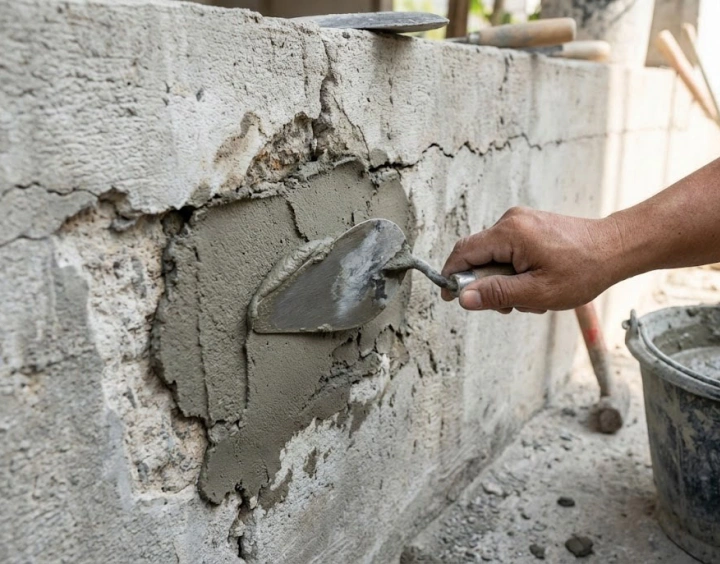
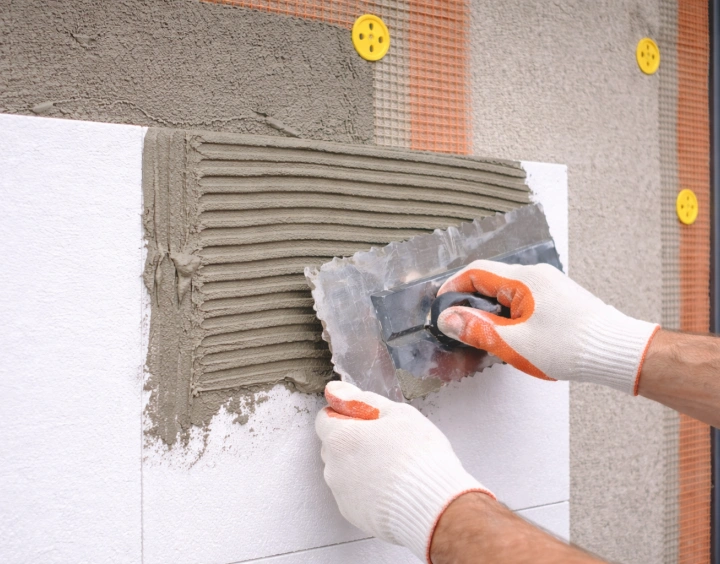
Wall putty / skim coat is a fine cementitious (or gypsum-based) finishing layer applied to create a smooth, even surface before painting or wallpapering. A good skim coat must spread easily, hold on vertical surfaces, resist rapid water loss, minimize pinholes/cracking, and maintain a clean sanding and finishing profile.
Common Formulation Challenges in Wall Putty / Skim Coat
Poor workability / draggy troweling — slow application, uneven finish
Sagging / poor build on vertical surfaces — hard to level, thickness loss
Fast drying / low water retention — weak hydration, low strength, poor finish
Pinholes / surface defects — rework, poor paint appearance
Cracking sensitivity — reduced durability and customer complaints (system-dependent)
Weak adhesion / powdering — low surface integrity, sanding issues (system-dependent)
Inconsistent open time — unstable operation and finish quality
Myield Chemical Solution for Wall Putty / Skim Coat
Myield focuses on three additive families that control the apply–build–finish chain:
1) Cellulose Ethers (HPMC / HEMC)
Manage water retention, rheology, and application feel, improving troweling smoothness and open time.
2) RDP (Redispersible Polymer Powder)
Enhance adhesion, cohesion, toughness, and durability, helping improve surface integrity and crack resistance (system-dependent).
3) HPS (Hydroxypropyl Starch Ether)
Boost thixotropy and anti-sag, improve creamy feel and consistency control, and support better finishing stability.
Cellulose Ethers in Wall Putty / Skim Coat (HPMC / HEMC)
Key Benefits:
Typical dosage guidance (starting point): 0.15%–0.35% by dry mix weight (final dosage should be confirmed by trials).
RDP in Wall Putty / Skim Coat
RDP helps strengthen the binder network and improve bonding behavior.
Key Benefits:
Typical dosage guidance (starting point): 0.5%–3.0% by dry mix weight (adjust based on target performance and cost positioning).
HPS (Hydroxypropyl Starch Ether) in Wall Putty / Skim Coat
HPS is commonly used as a rheology booster in putty/skim coat to improve build and application stability.
Key Benefits:
Typical dosage guidance (starting point): 0.02%–0.10% by dry mix weight (trial-based).
Stronger Results with the Right Additive System
Cellulose ethers provide water retention and workable flow; HPS improves thixotropy and build—helping deliver a creamy, stable troweling feel.
HPS strengthens anti-sag performance while cellulose ethers stabilize consistency—improving leveling and reducing slump marks.
RDP improves adhesion and cohesion; together with stable curing supported by cellulose ether, it helps reduce powdering and improves overall robustness (system-dependent).
Recommended Myield Grades for Wall Putty / Skim Coat
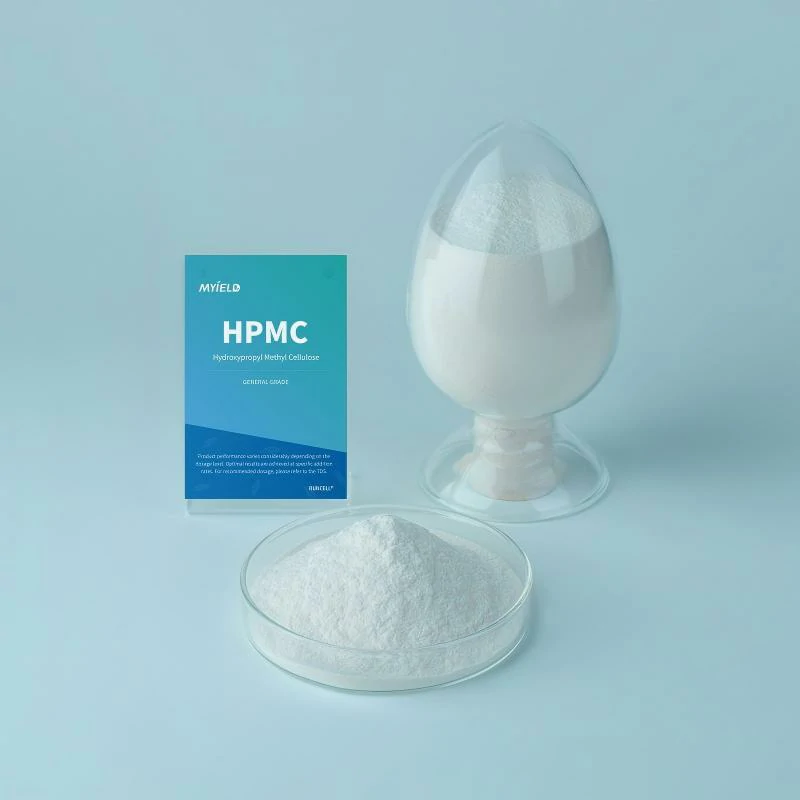
RUNCELL® HPMC KP40M
- Positioning: Balanced grade for smooth workability and stable water retention
- Recommended for: Interior/exterior cement-based wall putty and skim coat; finishing layers requiring smooth troweling and stable open time
- Formulation value: Creamy feel, stable water retention, easier leveling and finishing consistency
- Typical dosage: 0.18%–0.35% (trial-based)
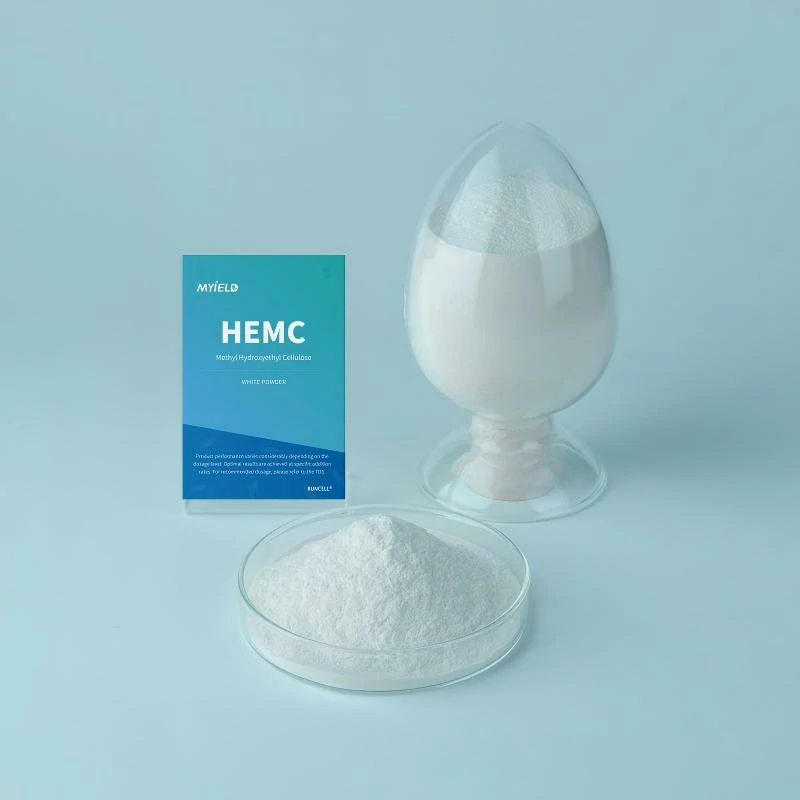
RUNCELL® HEMC / MHEC E5000(S)
- Positioning: General-purpose workability stabilizer for cementitious systems
- Recommended for: Skim coat systems targeting balanced handling and stable consistency; formulations requiring smooth spreading and steady operation
- Formulation value: Stable rheology, improved handling, good workability control
- Typical dosage: 0.15%–0.35% (trial-based)
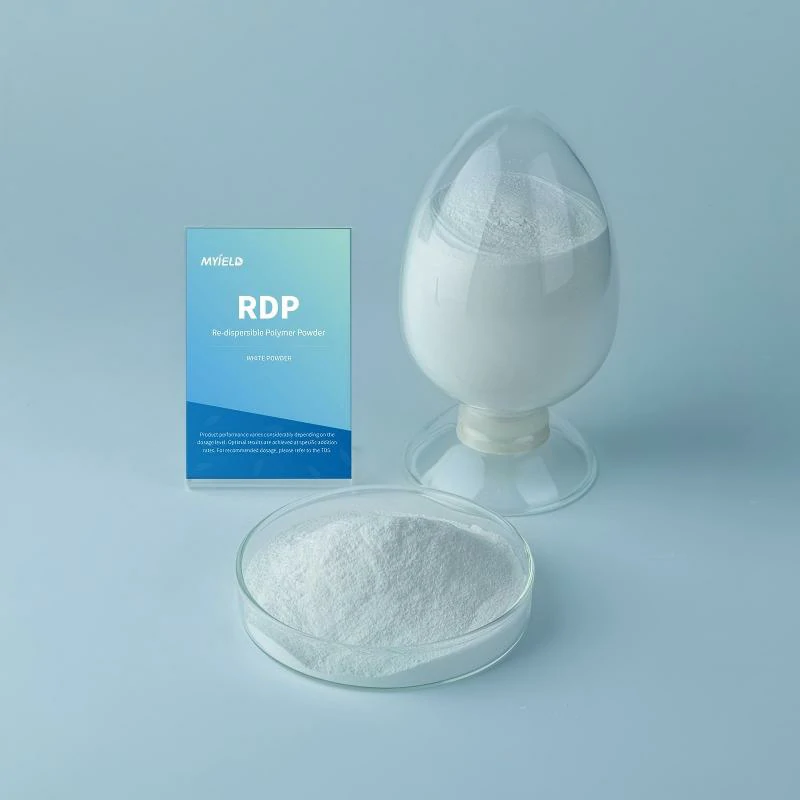
RUNCELL® RDP RE-505EP
- Positioning: General-purpose EVA-based RDP for cementitious mortars
- Recommended for: Skim coat / putty requiring improved adhesion and cohesion; systems aiming for better surface integrity and reduced powdering (system-dependent)
- Formulation value: Enhanced adhesion, cohesion, and overall durability balance
- Typical dosage: 0.8%–3.0% (trial-based)
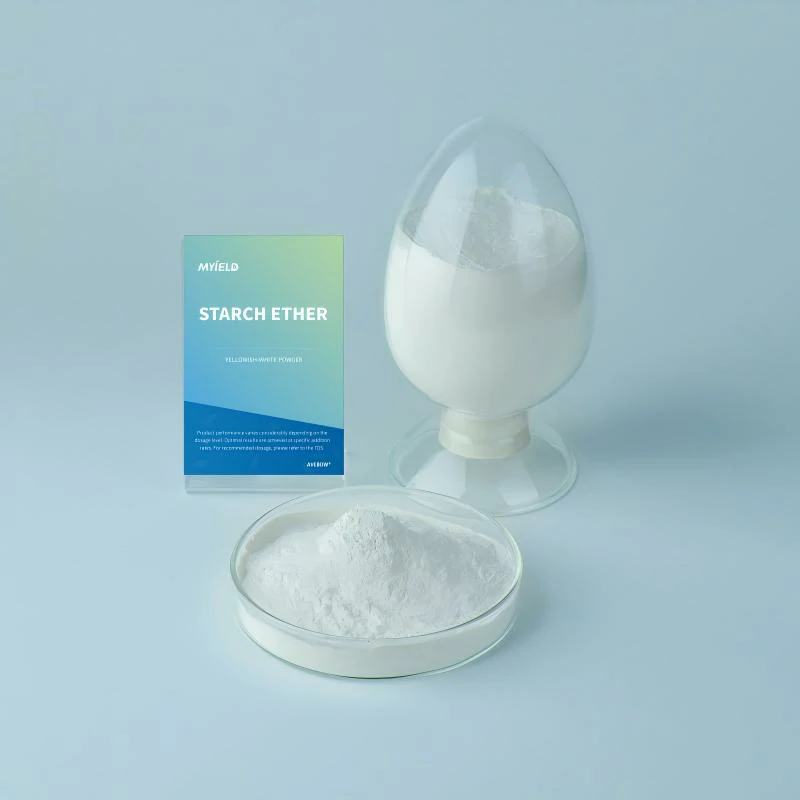
AVEBOW™ Hydroxypropyl Starch Ether D-031
- Positioning: Thixotropy enhancer for anti-sag and creamy feel
- Recommended for: Wall putty / skim coat needing better build and leveling stability; systems targeting improved troweling smoothness and shape holding
- Formulation value: Stronger anti-sag, improved creamy application, better consistency control
- Typical dosage: 0.02%–0.08% (trial-based)
Why Choose Myield Chemical
FAQ
Not always. For economy interior putty, cellulose ether + starch ether may be sufficient for workability. RDP is commonly used when higher adhesion, cohesion, and durability are required (system-dependent).
HPS is a strong thixotropy booster that helps improve anti-sag and build, while cellulose ether primarily provides water retention and base rheology. They are often used together for a smoother, more stable finish.
Both improve water retention and workability. Selection depends on target feel, stability, and how the system responds with your fillers/cement. Many manufacturers trial one main grade first, then fine-tune.
Cellulose ether often starts around 0.15%–0.35%, HPS around 0.02%–0.10%, and RDP around 0.5%–3.0%, then adjusted based on target performance and cost.
Yes. Share your putty/skim coat type (interior/exterior), target feel, sanding requirement, and key raw materials, and we will recommend suitable grades and a trial direction.