






























What Are Textile Water-Based Pastes & Coatings?
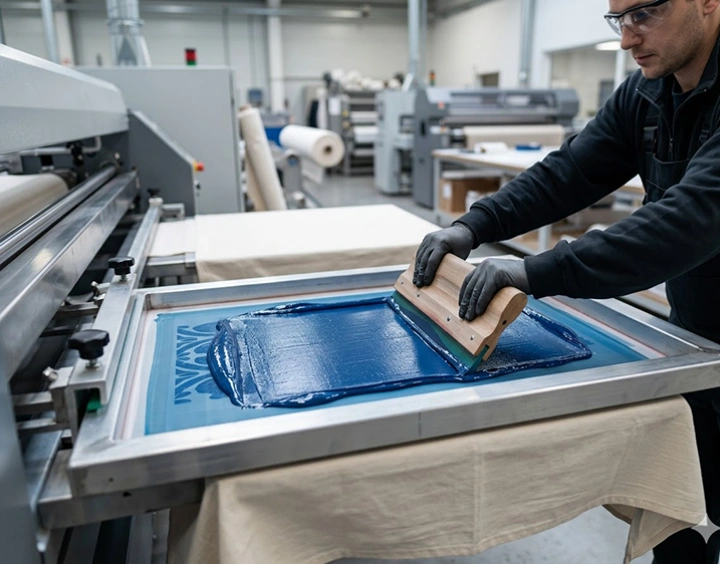
In textile manufacturing, many applications rely on water-based pastes, coating formulations, and finishing baths, such as printing pastes, textile coatings, and selected sizing or functional finishing systems. These formulations may include binders, pigments or dyes, fillers, auxiliaries, and stabilizers, depending on the system. In such water-based formulations, rheology control is critical because it governs flow during application, recovery after shear, and stability during storage and circulation. Cellulose ethers are widely used as thickening and rheology-control additives and can be selected and evaluated according to the target processing window.
Common Challenges in Textile Waterborne Systems
Typical issues that rheology modifiers help address include:
Inconsistent viscosity during production — unstable flow, difficult pumping or application (system-dependent)
Poor pattern definition in printing — bleeding, feathering, or weak edge control (system-dependent)
Uneven coating build — streaking, ribs, or non-uniform thickness on fabric surface
Sedimentation or phase separation — unstable storage or circulation stability (system-dependent)
Poor leveling vs holding balance — sagging/runoff or overly “tight” paste that does not spread well
Batch-to-batch variability — mixing sensitivity or hydration differences
Myield Chemical Solution
Myield focuses on its cellulose ether family as thickening and rheology-control options for water-based textile systems:
rheology tuning option for selected waterborne pastes/coatings (trial-based)
rheology and handling option in selected waterborne systems (trial-based)
widely used thickening option for water-based slurries/pastes/coatings (system-dependent)
Stronger Results with the Right Additive System
1) Better Viscosity Control for Different Textile Applications
The right cellulose type and viscosity grade help tune flow behavior for printing pastes, textile coatings, padding systems, and circulation handling, making application performance easier to control.
2) More Stable Shear Response and Holding Performance
Well-matched cellulose ethers help maintain stable flow under shear and support recovery after shear, improving paste holding power, pattern definition, and coating stability.
3) Improved Formulation Stability and Solids Distribution
Proper rheology adjustment helps reduce settling tendency and supports more consistent solids distribution, contributing to smoother and more stable water-based textile formulations.
4) Better Application Uniformity and Process Consistency
Optimized cellulose ether selection helps improve coating or printing uniformity, reduce streaks, and deliver more predictable pickup and application results.
5) More Robust Processing Across Batches
Stable thickening and rheology control help reduce batch-to-batch variation, supporting more consistent production performance under different formulation and process conditions.
Recommended Myield Grades for Textiles
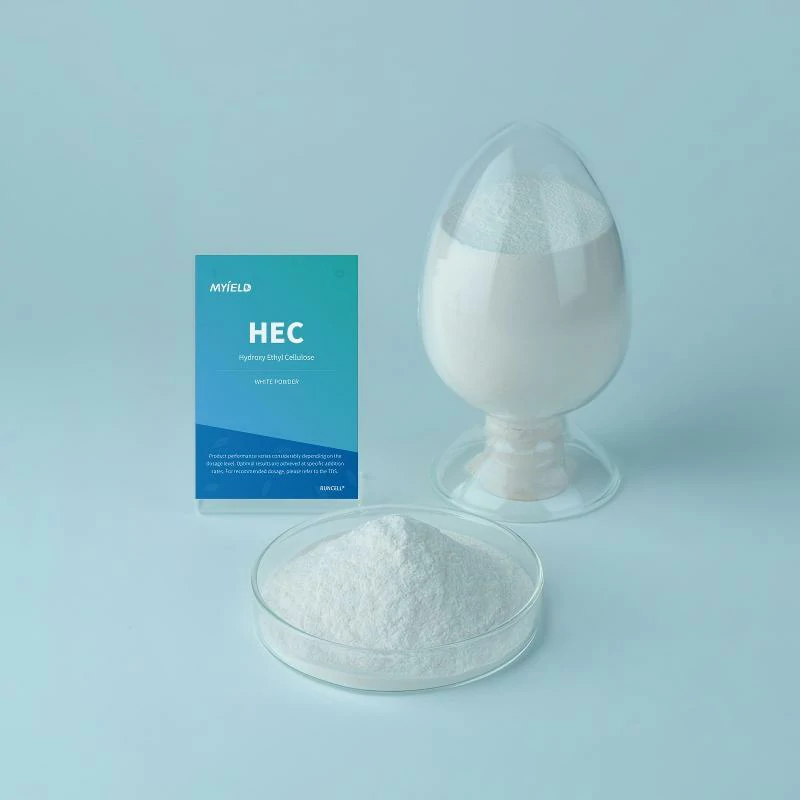
RUNCELL® HEC-30K
- Recommended for: general viscosity control and flow tuning in waterborne pastes/coatings (system-dependent)
- Best for: balanced thickening direction with workable flow
- Typical starting dosage: 0.10%–0.80% in the aqueous phase or finished system (trial-based)
RUNCELL® HEC-50K
- Recommended for: higher viscosity targets or stronger holding for printing/coating stability (system-dependent)
- Best for: stronger viscosity build direction
- Typical starting dosage: 0.08%–0.60% (trial-based; start low and titrate)
RUNCELL® HEC-100K
- Recommended for: high build systems requiring stronger thickening efficiency (system-dependent)
- Best for: higher viscosity and holding direction where compatible
- Typical starting dosage: 0.05%–0.45% (trial-based; start low)
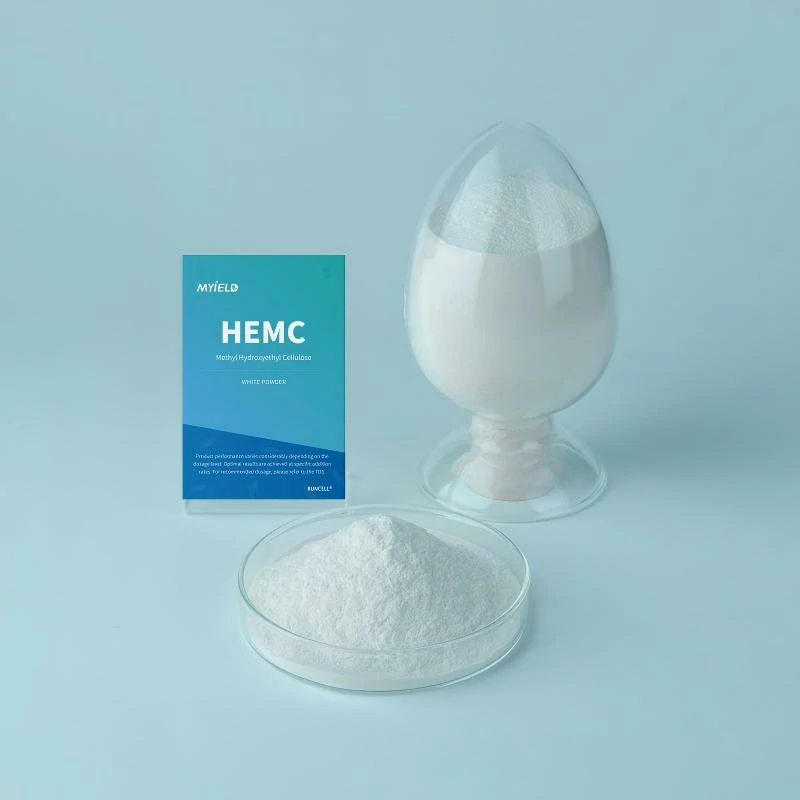
RUNCELL® MHEC KE15(S)
- Recommended for: waterborne slurries/pastes needing stable handling and process consistency direction (system-dependent)
- Best for: practical rheology tuning and improved application window direction
- Typical starting dosage: 0.08%–0.60% (trial-based)
RUNCELL® MHEC KE30(S)
- Recommended for: systems requiring higher build and improved holding during application (system-dependent)
- Best for: stronger viscosity build direction
- Typical starting dosage: 0.06%–0.50% (trial-based)
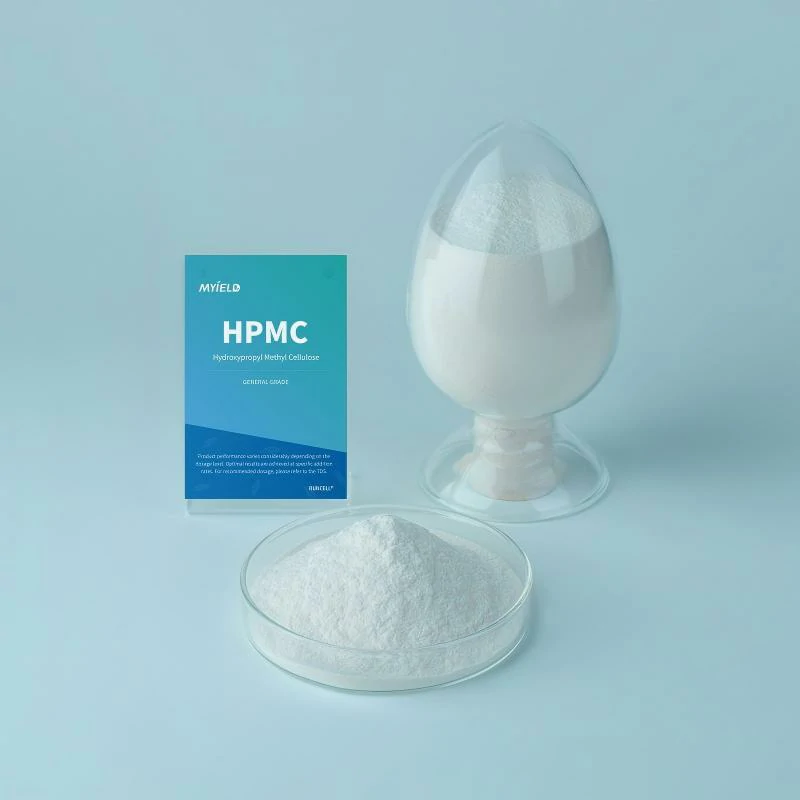
RUNCELL® HPMC KP35
- Recommended for: selected waterborne slurry/coating applications where HPMC compatibility is confirmed (trial-based)
- Best for: thickening and handling direction in filled/structured systems (system-dependent)
- Typical starting dosage: 0.08%–0.50% (trial-based)
Why Choose Myield Chemical
FAQ
HEC is a common starting option for waterborne thickening. MHEC can be evaluated when a different handling profile is needed. HPMC can be tested as an alternative in selected systems. Final fit is system-dependent and must be confirmed by trials.
Start with a baseline grade (e.g., HEC-30K) and increase to HEC-50K/100K when higher build or holding is needed. Confirm with viscosity vs shear and application tests.
Check viscosity profile (low/high shear), stability/settling, application uniformity (printing/coating), and defect rate (bleeding, streaks, uneven build).