




















Paper Industry Water-Based Systems (and Why Rheology & Foam Control Matter)
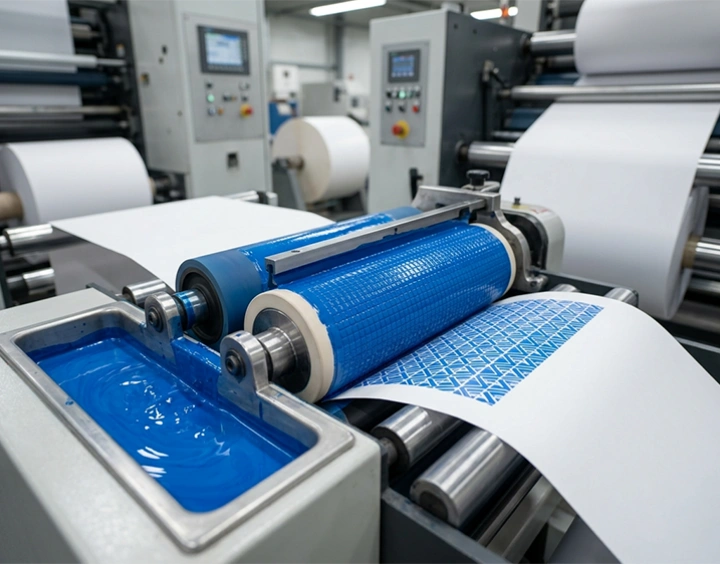
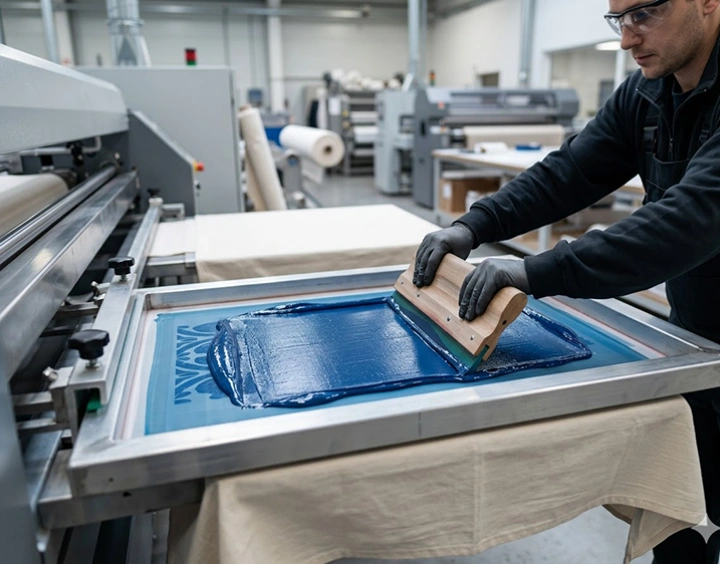
In the paper industry, many steps involve aqueous systems: coating colors for coated paper/board, surface sizing solutions, and various waterborne functional or barrier layers (system-dependent). These systems typically contain pigments/fillers, binders, dispersants, and process aids. Rheology control is essential for pumpability, metering, leveling, and coat weight stability. Foam control is equally important because entrained air can cause defects (pinholes/craters), unstable application, and variability. On this page, Myield focuses on HEC + defoamer powder as practical tools to tune viscosity and improve process stability direction.
Common Challenges in Paper Coating & Sizing
Typical issues paper mills and formulators aim to control include:
Foaming and micro-foam → pinholes/craters, coating defects, and unstable metering
Unstable viscosity → inconsistent coat weight and runability issues (system-dependent)
Poor leveling / streaks / ribbing → uneven appearance and surface defects (system-dependent)
Sedimentation tendency in coating color → unstable storage/circulation stability (system-dependent)
Air entrainment during mixing/pumping → quality defects and productivity loss
Batch-to-batch variability → sensitivity to shear history, solids loading, or temperature (process-dependent)
Myield Chemical Solution
To keep selection clear, this page is strictly limited to the following Myield product families only:
- Defoamer Powder — foam control and air-release direction to reduce defects and improve processing stability (system-dependent).
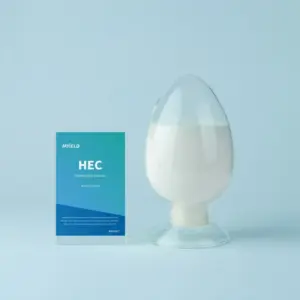
- Cellulose Ethers (HEC) — thickening and rheology modification option for water-based coating colors and sizing/finishing solutions (system-dependent).
Stronger Results with the Right Additive System
Paper coating and sizing performance is highly system-dependent (pigment/filler package, binder chemistry, solids, pH, electrolyte level, and process shear). When viscosity control and air management are aligned, it becomes easier to maintain consistent application and surface quality.
What HEC + Defoamer Can Deliver (System-Dependent)
stable viscosity and flow for coating/sizing application consistency
improved pumpability and metering stability (process-dependent)
fewer foam-related defects such as pinholes/craters
improved circulation/storage stability window for coating colors (system-dependent)
reduced variability across batches and operating conditions (process-dependent)
Typical Paper Industry Applications We Support (System-Dependent)
Recommended Myield Grades for Paper Industry
Below are suggested starting grades in a product-card layout. Final selection and dosage must be confirmed by trials based on target viscosity profile, solids loading, application method (blade/rod/size press), and process shear.
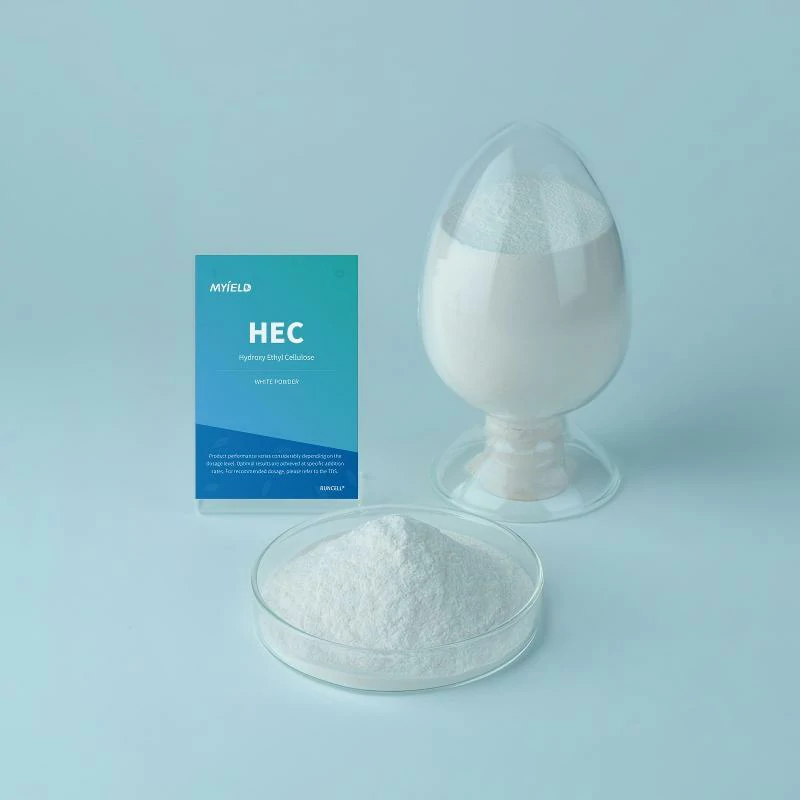
Recommended Grade 1 (HEC — Low/Medium Viscosity Tuning for Sizing/Finishing)
RUNCELL® HEC-15K
- Recommended for: sizing/finishing solutions and lower-viscosity waterborne systems (system-dependent)
- Best for: practical viscosity tuning with good flow
- Typical starting dosage: ~0.05%–0.30% (trial-based; depends on solids and target viscosity)
Recommended Grade 2 (HEC — Baseline Rheology Control for Coating Colors)
RUNCELL® HEC-30K
- Recommended for: coating color viscosity control and circulation stability direction (system-dependent)
- Best for: balanced thickening direction and workable flow under shear
- Typical starting dosage: ~0.05%–0.35% (trial-based)
Recommended Grade 3 (HEC — Higher Build / Better Holding Direction)
RUNCELL® HEC-50K
- Recommended for: higher-viscosity coating colors or systems requiring stronger holding direction (system-dependent)
- Best for: improved viscosity build direction with controlled flow
- Typical starting dosage: ~0.03%–0.25% (trial-based; start low and titrate)
Recommended Grade 4 (HEC — High Viscosity Option for High-Build Systems)
RUNCELL® HEC-100K
- Recommended for: high-build coating colors or functional layers needing stronger thickening efficiency (system-dependent)
- Best for: stronger viscosity build direction (start low)
- Typical starting dosage: ~0.02%–0.18% (trial-based)
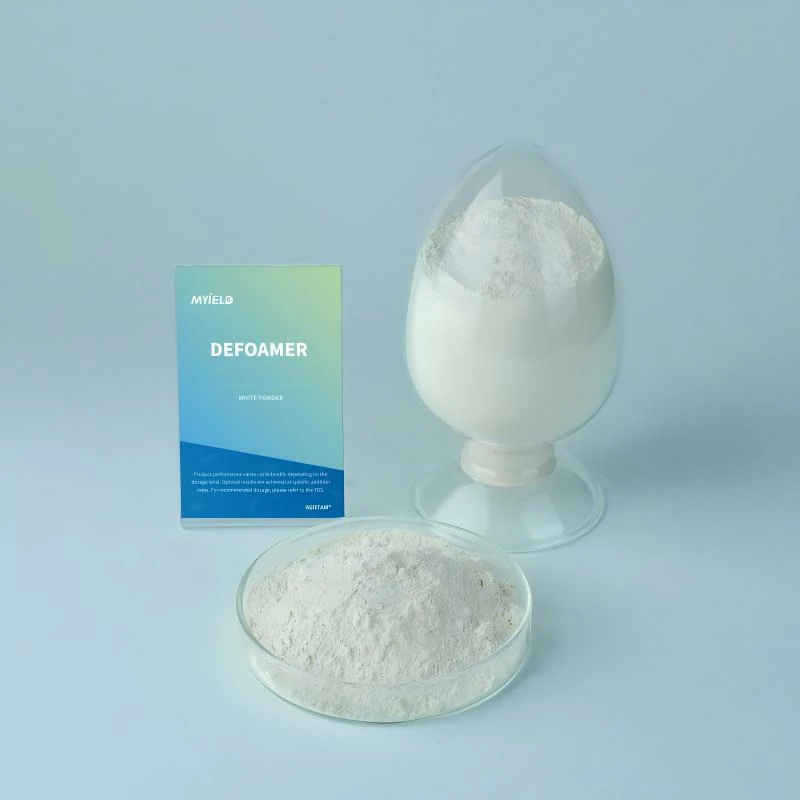
Recommended Grade 5 (Defoamer Powder — Foam Control & Air Release)
AGIETAM® Defoamer DF-011
- Recommended for: reducing foam/micro-foam during mixing, pumping, and application
- Best for: fewer foam-related defects and more stable processing direction (system-dependent)
- Typical starting dosage: 0.05%–0.30% (trial-based; optimize to avoid over-defoaming side effects)
Why Choose Myield Chemical
FAQ
Yes—HEC is commonly evaluated as a rheology modifier in water-based coating colors and related systems. The best grade and dosage depend on solids loading, binder package, and target viscosity profile.
Foam and micro-foam are common contributors. Use a compatible defoamer and optimize mixing/shear and air release. Confirm with circulation tests and coating trials.
HEC is typically screened from ~0.02%–0.35% depending on viscosity target and solids. Defoamer powder is commonly screened around 0.05%–0.30%. Final dosage should be confirmed by trials.