


































What Is Industrial Ceramics Processing?
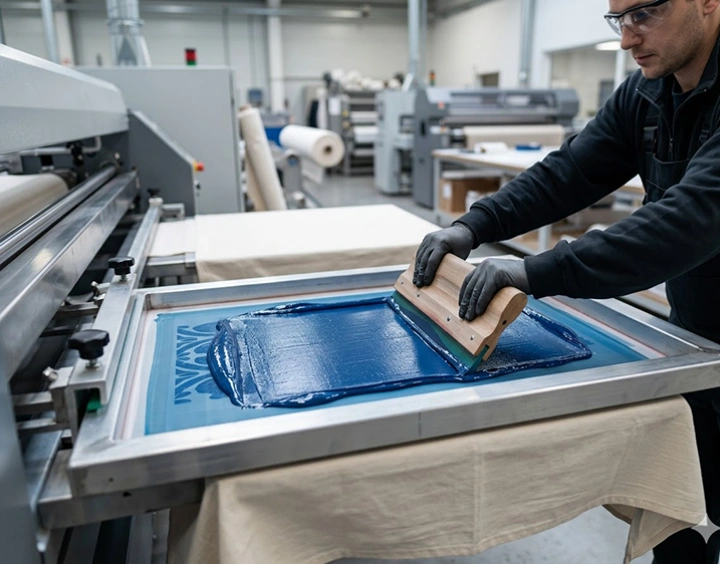
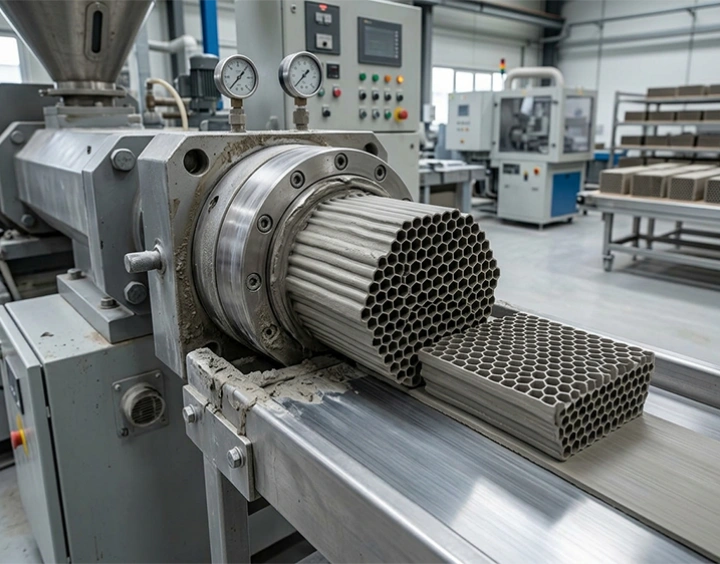
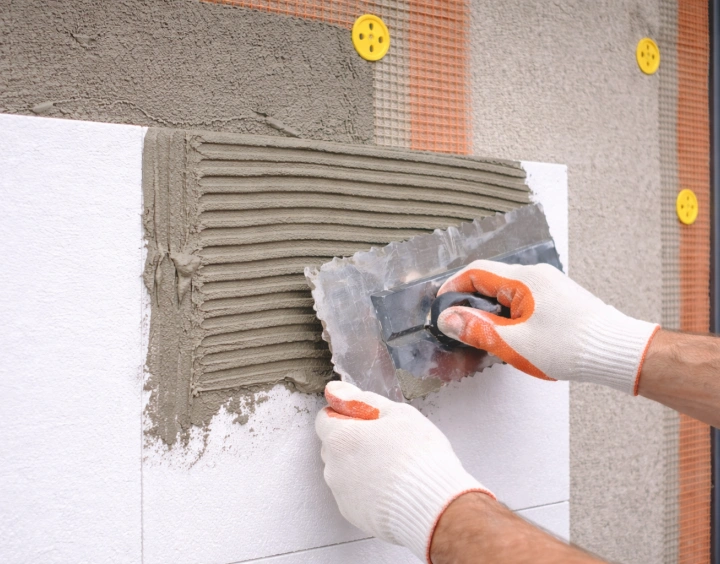
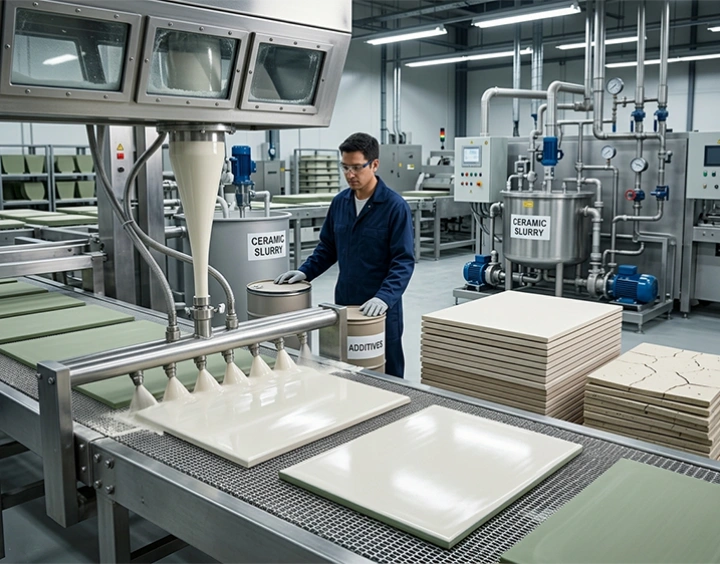
Industrial ceramics cover a wide range of inorganic powder systems and processing routes, including slurry-based forming processes such as casting and tape casting, granulation and pressing, extrusion forming, and ceramic coatings or functional layers. Across these routes, cellulose ethers are commonly used as binders and rheology modifiers to adjust viscosity, improve handling and shape stability, support green strength, and help manage moisture balance during drying. Proper cellulose grade selection helps stabilize processing and reduce common defects, with final performance depending on the formulation system.
Common Challenges in Industrial Ceramics Formulations
Typical problems manufacturers aim to control include:
Unstable slurry rheology — inconsistent flow, difficult casting/leveling, or poor forming consistency
Sedimentation / poor suspension stability — solids separation and uneven body structure (system-dependent)
Insufficient green strength — fragile green bodies, chipping, deformation, or collapse risk
Drying sensitivity — cracking, warping, curl, or internal stress buildup (system-dependent)
Coating/glaze defects — sagging, pinholes, poor leveling, uneven thickness, or poor application stability (system-dependent)
Process variability — batch-to-batch inconsistency from hydration/mixing differences
Myield Chemical Solution
To keep selection clear, this page is strictly limited to one additive family only:
Cellulose Ethers (HPMC / HEMC / HEC) — rheology control, binder behavior, green strength support, and selected coating stability (trial-based).
Stronger Results with the Right Additive System
In industrial ceramics, cellulose ethers contribute to multiple performance targets. Different chemistries and viscosity grades can be used to match your processing route and formulation needs (trial-based).
What Cellulose Ethers Can Deliver
tune viscosity and flow to improve casting/forming stability and handling
reduce settling tendency and improve solids distribution in slurries (system-dependent)
strengthen green bodies for safer handling and fewer defects
support a more stable drying window to reduce cracking risk (system-dependent)
improve application stability and film build consistency in selected ceramic coatings/engobes (system-dependent)
Typical Industrial Ceramics Processes We Support
Recommended Myield Grades for Industrial Ceramics
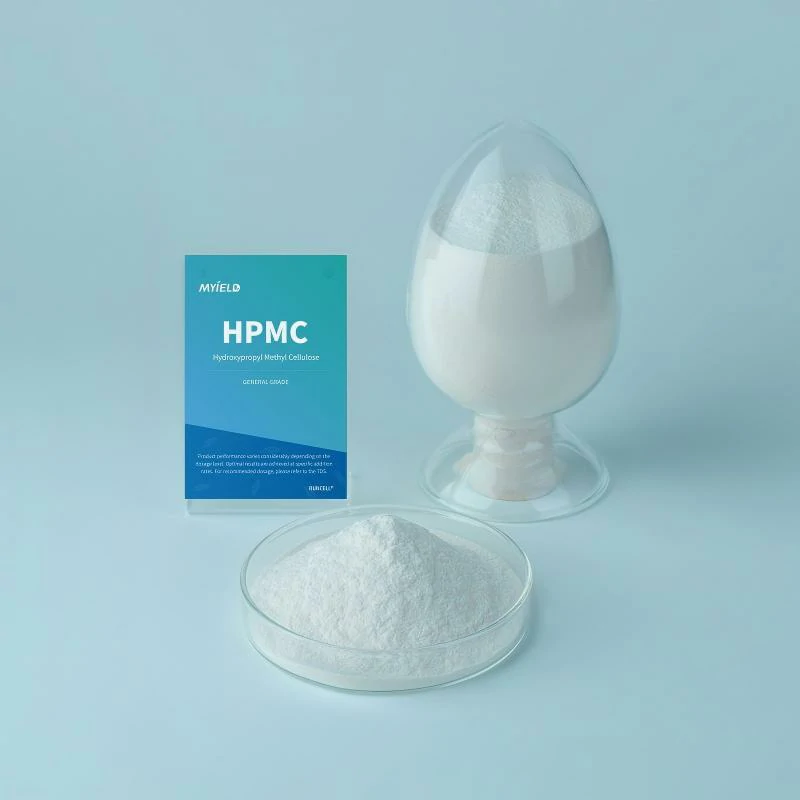
RUNCELL® HPMC KP35
- Recommended for: general forming/coating systems needing balanced viscosity and binder behavior
- Best for: stable handling, green strength direction, and predictable viscosity build (trial-based)
- Typical starting dosage: 0.20%–1.00% by total dry solids (trial-based)
RUNCELL® HPMC KP40M
- Recommended for: systems requiring stronger shape retention or higher viscosity build direction (system-dependent)
- Best for: improved shape stability during forming and early drying (process-dependent)
- Typical starting dosage: 0.15%–0.80% by total dry solids (trial-based)
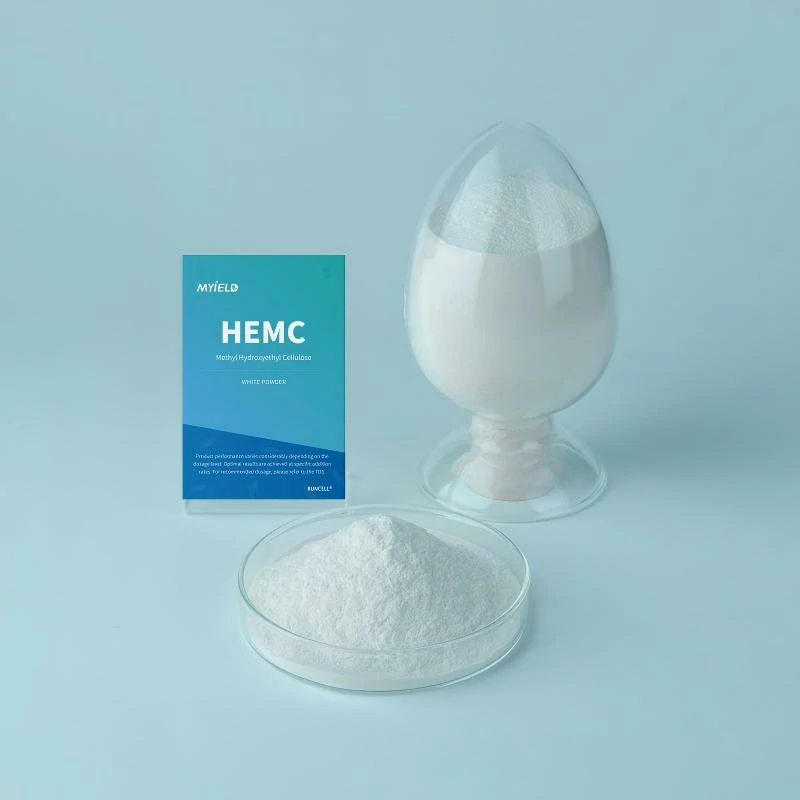
RUNCELL® HEMC KE15(S)
- Recommended for: ceramic coatings/engobes needing stable handling and application window direction (system-dependent)
- Best for: rheology tuning and practical processing stability in selected coating systems (trial-based)
- Typical starting dosage: 0.15%–0.80% by total dry solids (trial-based)
RUNCELL® HEMC KE30(S)
- Recommended for: higher holding requirement in coatings or forming systems (system-dependent)
- Best for: stronger viscosity build direction and improved stability during application (trial-based)
- Typical starting dosage: 0.10%–0.60% by total dry solids (trial-based)
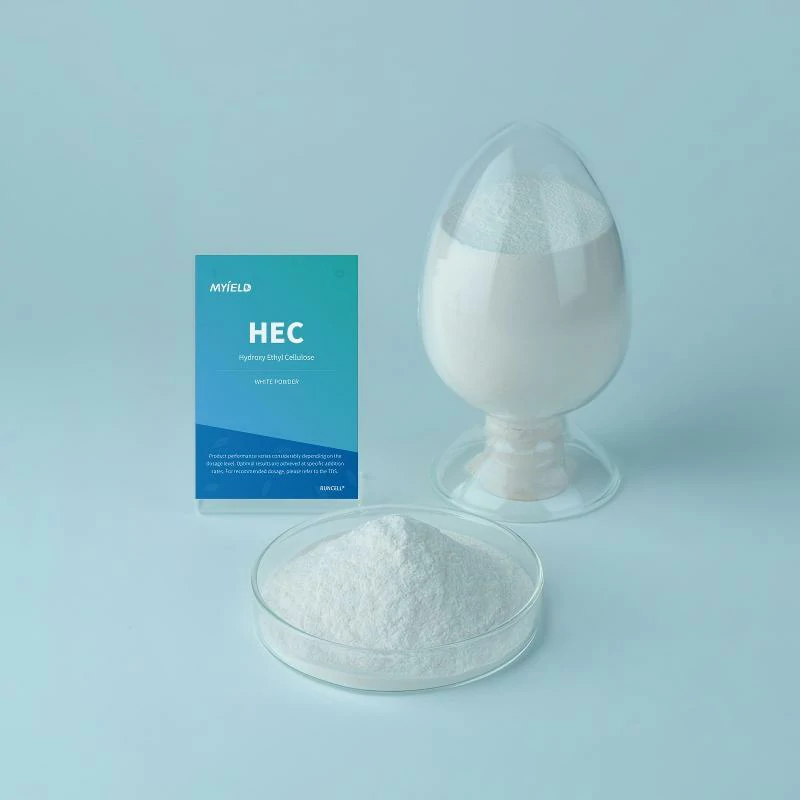
RUNCELL® HEC-50K
- Recommended for: slurry-based processing requiring viscosity control and improved suspension direction
- Best for: balanced thickening and stability direction in aqueous systems (system-dependent)
- Typical starting dosage: 0.10%–0.60% by total dry solids (trial-based)
RUNCELL® HEC-100K
- Recommended for: systems needing stronger viscosity build and shape holding direction (system-dependent)
- Best for: higher thickening efficiency direction (trial-based)
- Typical starting dosage: 0.08%–0.50% by total dry solids (trial-based)
Why Choose Myield Chemical
FAQ
A common starting point is HPMC KP35 for general binder/rheology balance. If slurry stability is the priority, consider HEC grades. For selected coating/engobe handling needs, HEMC grades can be evaluated. Final fit is system-dependent.
Define your process route and targets (viscosity, stability, green strength, defect rate). Run dosage sweeps and measure viscosity profile, settling, green strength, drying cracks/warpage, and coating defects.
Sometimes, but ceramic systems vary widely in powder type and processing. Use the recommended grades as starting points and confirm by trials.