





























What Is EIFS / ETICS?
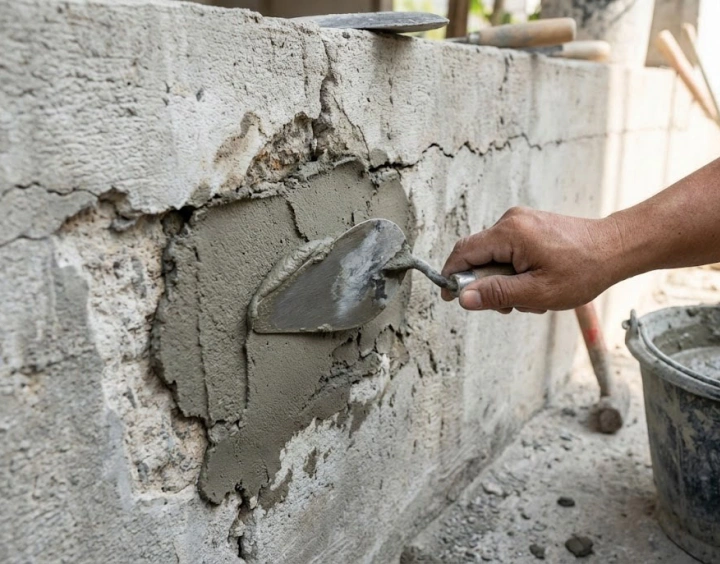
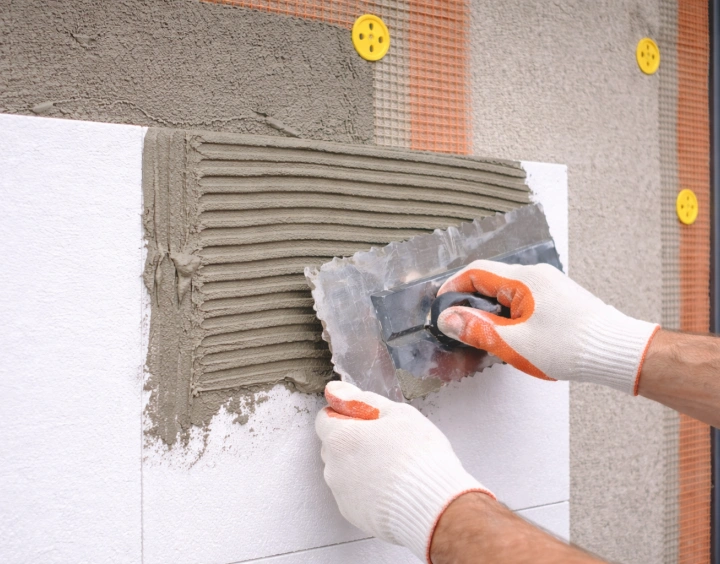
EIFS/ETICS is a multi-layer insulation and finishing system applied to exterior walls. Performance depends on a stable adhesive bond line, uniform basecoat embedding, controlled workability during application, and durable hardened properties. Additives are used to tune water retention, rheology, and adhesion—helping the system perform consistently across different climates and substrates.
Common Formulation Challenges in EIFS / ETICS
Typical challenges manufacturers aim to solve include:
Unstable workability and inconsistent troweling feel — hard to spread and pattern consistently
Sagging / poor shape holding — reduced build on vertical surfaces and pattern loss
Insufficient open time — rushed operation and reduced productivity
Weak wet tack / poor initial grab — difficult board placement and adjustment
Low adhesion or cohesion — delamination risk (system-dependent)
Fast drying / poor water retention — weak hydration and finishing defects (system-dependent)
Mesh embedding issues — tearing, drag, or uneven embedding feel (process-dependent)
Myield Chemical Solution for EIFS / ETICS
Myield focuses on two additive families that help control the apply–bond–embed chain in EIFS/ETICS mortars:
1) Cellulose Ethers (HPMC / HEMC)
Cellulose ethers stabilize water retention and rheology to improve workability, open time, sag resistance, and mesh embedding behavior.
2) RDP (Redispersible Polymer Powder)
RDP improves adhesion, cohesion, and flexibility balance for polymer-modified adhesive and basecoat mortars (system-dependent).
Cellulose Ethers for EIFS / ETICS (HPMC / HEMC)
A well-selected cellulose ether is the workability backbone of EIFS/ETICS adhesive and basecoat mortars.
Key Benefits:
RDP Powder in EIFS / ETICS (with HPMC / HEMC)
RDP powder works with HPMC / HEMC in EIFS / ETICS formulations to improve adhesion, flexibility, and application stability. HPMC / HEMC supports water retention, workability, and anti-sag performance.
Key Benefits:
Typical dosage guidance (starting point): RDP 2.0%–6.0% by dry mix weight; HPMC / HEMC 0.2%–0.6% by dry mix weight (adjust based on target performance level and formulation design).
Stronger Results with the Right Additive System
Cellulose ethers stabilize water retention and rheology, helping keep adhesive/basecoat mortars consistent during mixing, troweling, and patterning.
Stable open time and controlled consistency support smoother mesh embedding and more predictable finishing behavior (process-dependent).
RDP improves adhesion and cohesion for polymer-modified mortars. Together with well-controlled curing supported by cellulose ether, it helps EIFS/ETICS layers achieve more reliable performance (system-dependent).
Recommended Myield Grades for EIFS / ETICS
Below are recommended grades presented in a product-card layout. Final grade selection and dosage should be confirmed by lab trials.
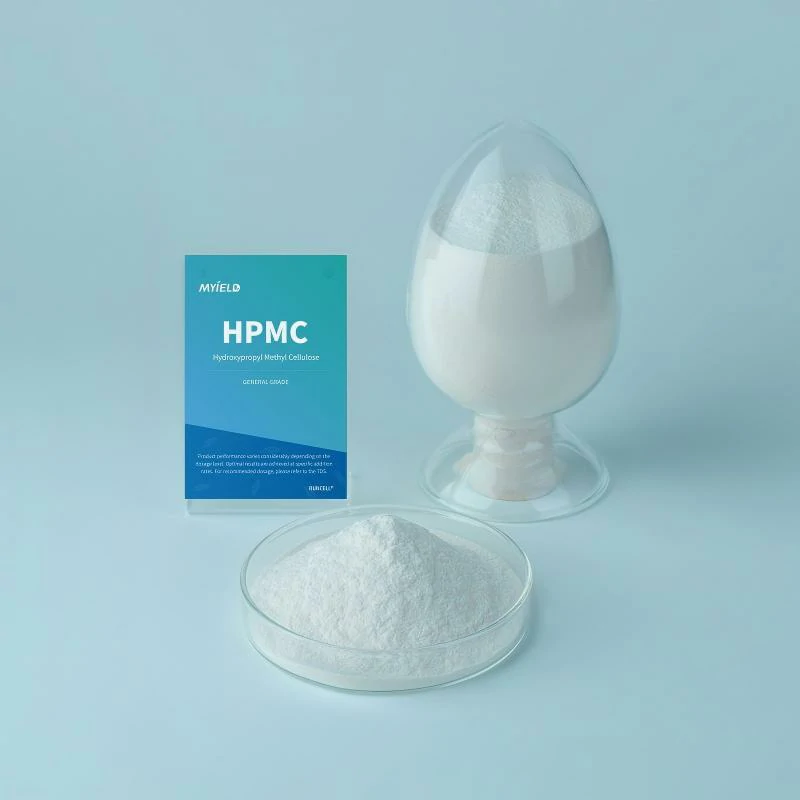
RUNCELL® HPMC KP35M
- Recommended for: EIFS/ETICS adhesive mortars and basecoat mortars requiring stronger sag control and stable open time
- Formulation value: Reliable water retention, improved workability, better shape holding (trial-based)
- Typical dosage (starting point): 0.20%–0.40% by dry mix weight
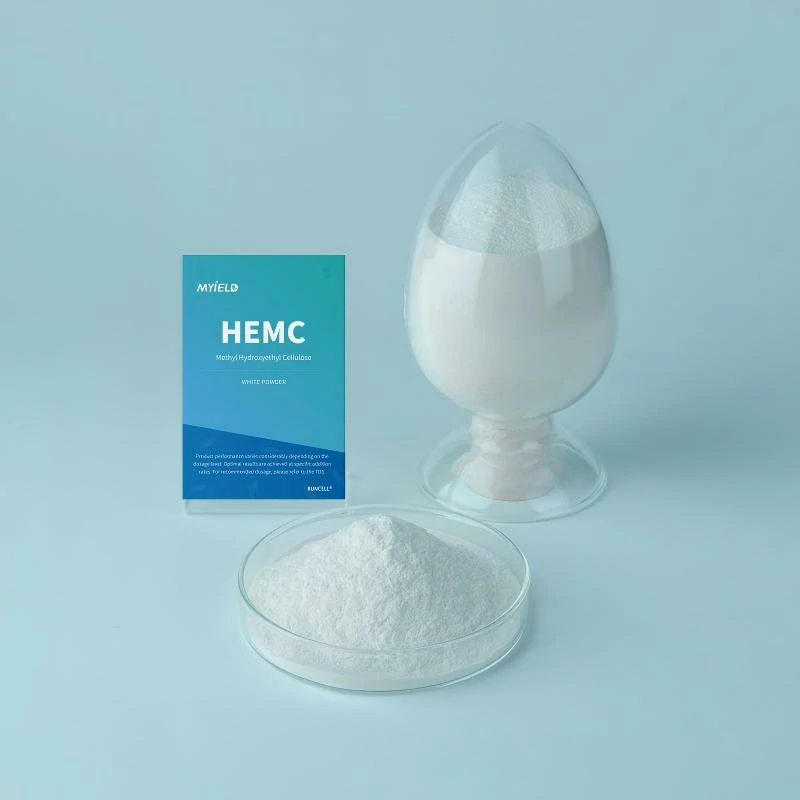
RUNCELL® HEMC / MHEC KE30(S)
- Recommended for: EIFS/ETICS mortars targeting balanced workability and stable consistency (adhesive + basecoat direction)
- Formulation value: Smooth handling, stable rheology, improved application control (trial-based)
- Typical dosage (starting point): 0.18%–0.38% by dry mix weight
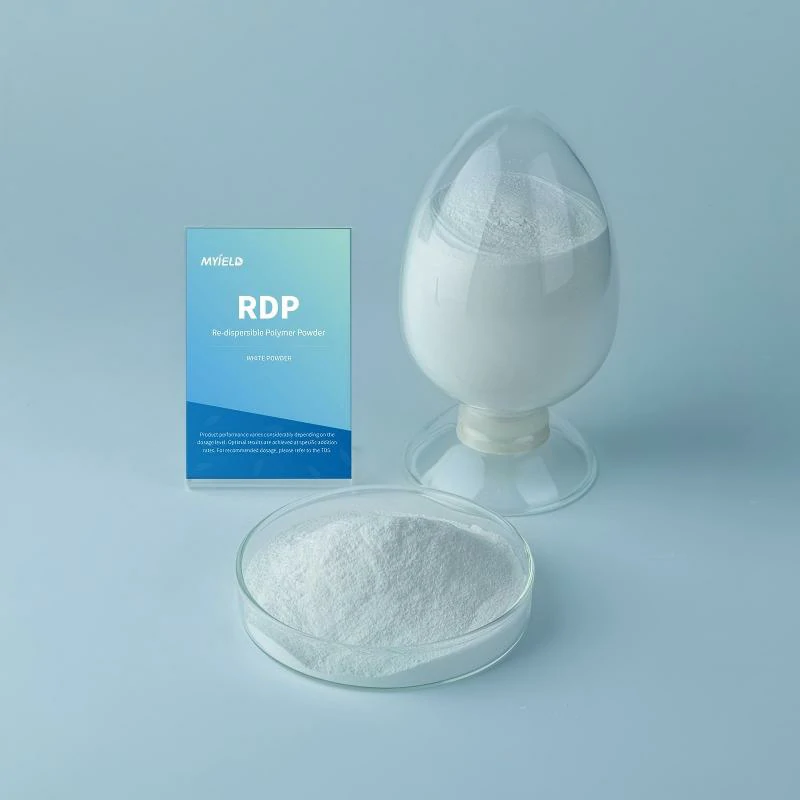
RUNCELL® RDP RE-528E
- Recommended for: Polymer-modified EIFS/ETICS adhesive and basecoat mortars requiring stronger adhesion and durability balance (system-dependent)
- Formulation value: Improved adhesion and cohesion, better toughness and flexibility balance (trial-based)
- Typical dosage (starting point): 1.0%–4.0% by dry mix weight
Why Choose Myield Chemical as Your Additive Supplier
FAQ
Cellulose ether is commonly used to stabilize water retention and workability. RDP is often added when higher adhesion, cohesion, and toughness are required (system-dependent). Many systems use both for balanced performance.
Both can be used. Selection depends on your formulation, target feel, and process needs. Many manufacturers start with one recommended grade and fine-tune by trials for sag control, open time, and embedding behavior.
As a starting point, cellulose ether often starts around 0.18%–0.40%, and RDP around 1.0%–4.0%, then adjusted based on performance and cost targets.
Yes. Share insulation type (EPS/XPS/mineral wool), layer (adhesive/basecoat), target properties, and key raw materials, and we will recommend grades and a clear trial direction.