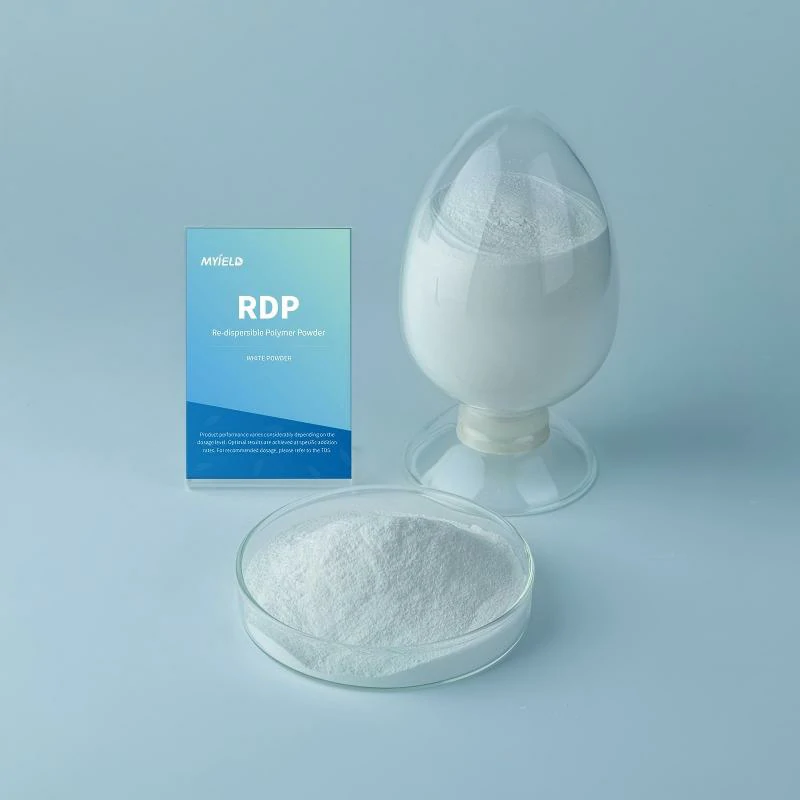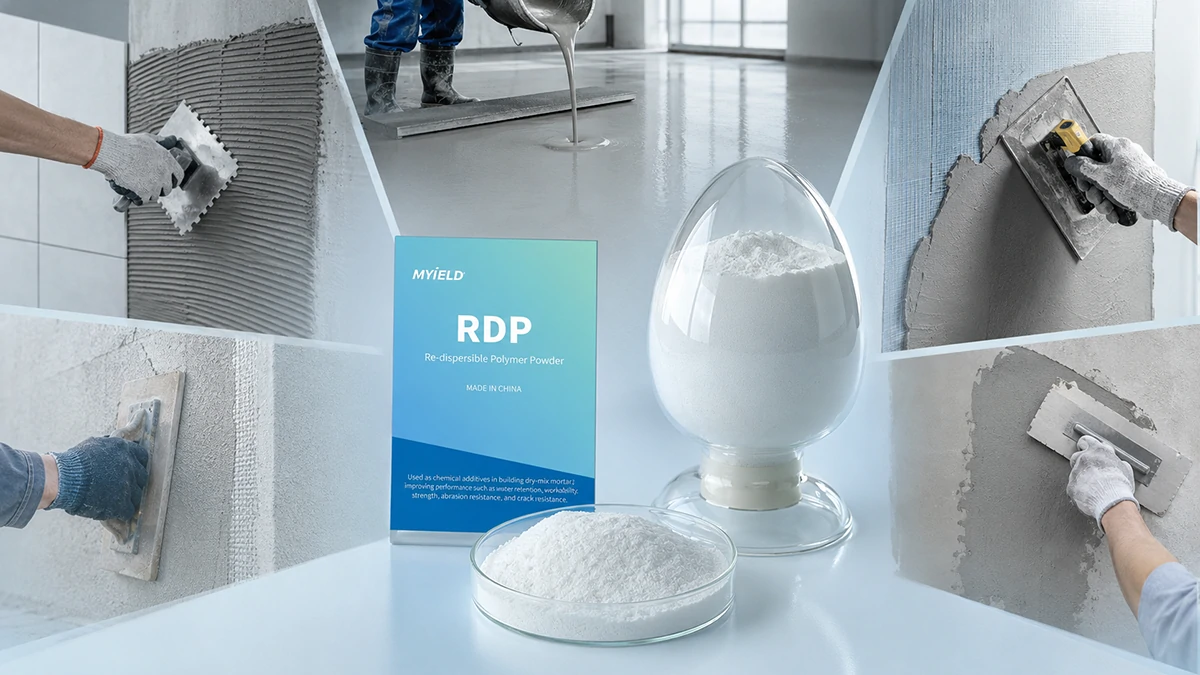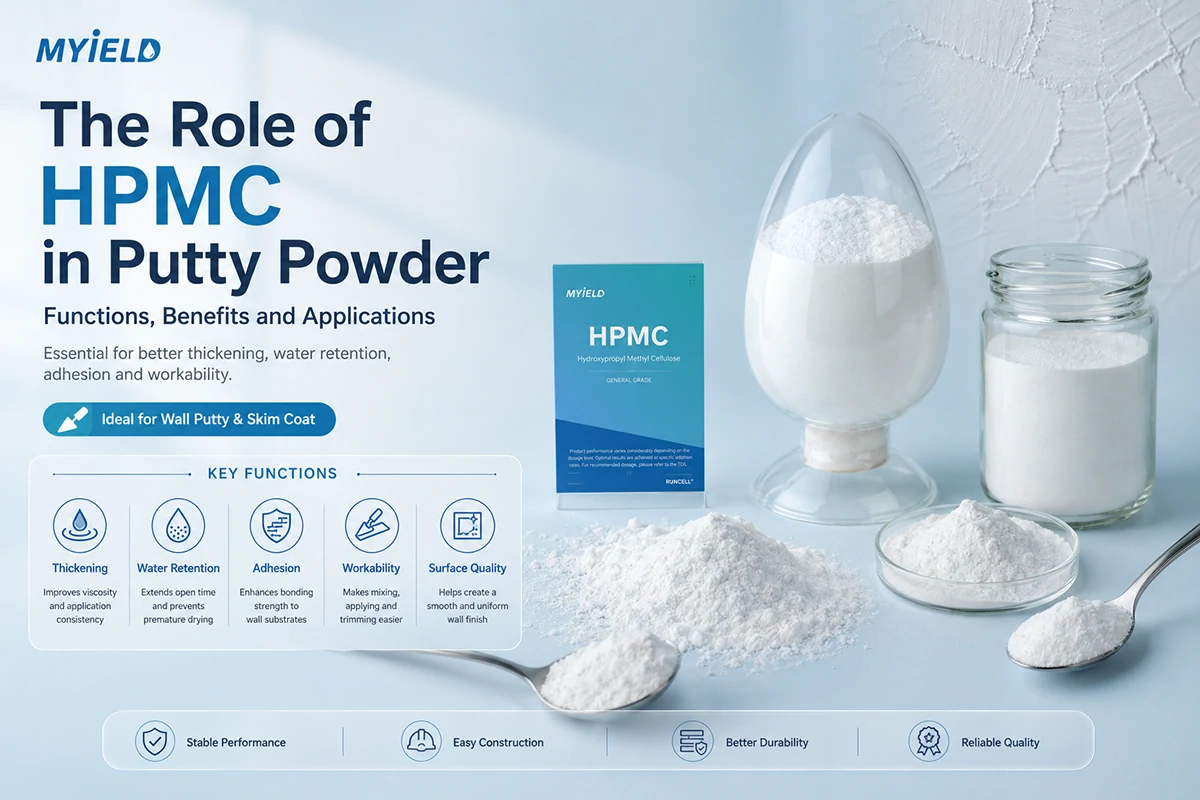



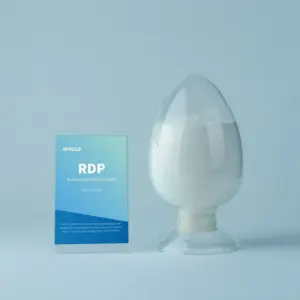
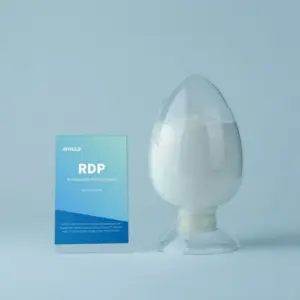






In modern dry-mix mortar formulations, performance is no longer determined only by cement, sand, and fillers. For tile adhesives, skim coats, EIFS mortars, self-leveling compounds, repair mortars, and waterproof mortars, customers need better bonding strength, flexibility, workability, crack resistance, and long-term durability. This is where Redispersible Polymer Powder (RDP) plays an essential role.
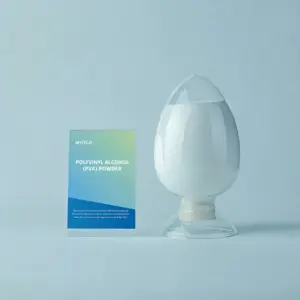
Myield Chemical Redispersible Polymer Powder is designed for cement-based and gypsum-based dry-mix mortar systems. After being mixed with water, the powder can quickly re-disperse into a polymer emulsion, helping the mortar form a flexible and continuous polymer film during hydration and drying. This polymer film works together with cement hydration products to improve the internal structure of mortar and enhance its overall performance.
For mortar manufacturers, RDP is not only an additive. It is a key performance modifier that helps improve application quality, construction efficiency, and final product durability.
What Does Redispersible Polymer Powder Do in Mortar?
Traditional cement mortar has some natural limitations. It can be brittle, rigid, easy to crack, and sometimes weak in bonding to difficult substrates. By adding redispersible polymer powder, these weaknesses can be significantly improved.
When Myield RDP is added into dry-mix mortar, it helps improve:
- Adhesion strength to different substrates
- Tensile bonding strength
- Flexibility and deformability
- Anti-sagging performance
- Water retention and workability
- Crack resistance
- Abrasion resistance
- Freeze-thaw resistance
- Weather resistance
- Cohesion and internal strength
- Water resistance in specially designed hydrophobic grades
In practical applications, this means the mortar becomes easier to apply, more stable during construction, and more durable after curing.
Core Mechanism: Polymer Modification of Cement Mortar
The main function of redispersible polymer powder is modification. It changes the internal structure of traditional cement mortar and helps compensate for the brittleness and high elastic modulus of cement-based systems.
After water is added during mixing, RDP particles re-disperse into the wet mortar. As water gradually evaporates and cement hydration continues, polymer particles come together and form a continuous polymer film. This film interpenetrates with cement hydration products and creates a strong polymer-cement network.
This network provides three important effects.
First, it acts as a bonding bridge. The polymer film connects cement hydrates, sand particles, and other fillers more firmly, improving the bonding strength between different components inside the mortar.
Second, it reinforces the interface. In many mortar systems, failure often starts from weak interfaces between mortar and substrate, or between binder and aggregate. RDP helps strengthen these interfaces, making the system more resistant to cracking, peeling, and delamination.
Third, it helps fill pores and micro-cracks. The polymer film can reduce part of the capillary pores inside the mortar, making the hardened structure denser and more durable. This helps reduce water absorption and improve resistance to external environmental attack.
Benefits in Wet Mortar
Before mortar hardens, Myield RDP helps improve the fresh mortar properties that directly affect construction quality.
It can improve workability, making the mortar smoother and easier to spread. It also enhances cohesion, helping the mixture maintain better consistency during application. In tile adhesive and wall putty, this can reduce problems such as sagging, slipping, poor spreadability, or weak surface finishing.
RDP also helps extend open time, giving workers more time to adjust tiles or finish the surface. For construction sites with large-format tiles, warm weather, or large application areas, this is especially important.
In addition, Myield RDP can improve water retention together with cellulose ether additives. Better water retention helps support cement hydration and reduces the risk of premature drying, weak bonding, or powdering.
Benefits After Mortar Curing
After the mortar hardens, the polymer film continues to provide long-term performance benefits.
RDP-modified mortar usually shows improved tensile adhesion strength and flexural strength. Compared with ordinary cement mortar, it has better flexibility and deformability, which helps resist stress caused by temperature changes, substrate movement, drying shrinkage, and external impact.
The polymer network also improves cohesion and abrasion resistance. This is useful in repair mortars, self-leveling compounds, tile grouts, and floor systems where surface strength and durability are important.
For exterior wall systems and waterproofing applications, specially designed RDP grades can help reduce water absorption and improve resistance to freeze-thaw cycles, wet conditions, and weather aging. Hydrophobic RDP grades can also support better water resistance in cement-based waterproof mortars and tile grouts.
Common Applications of Myield RDP
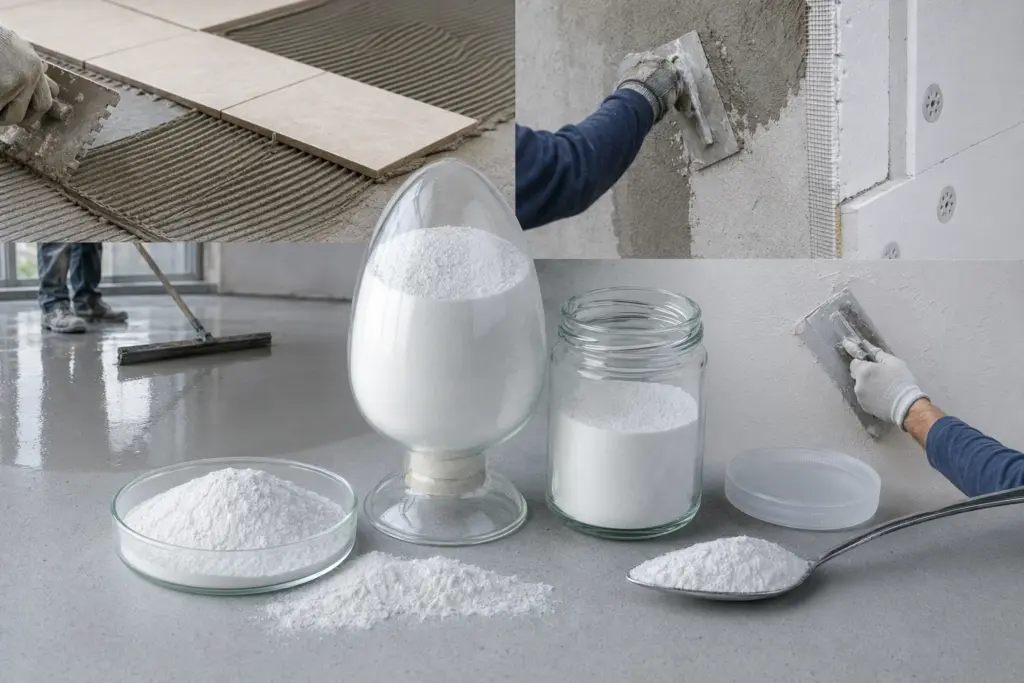
Myield Redispersible Polymer Powder is widely used in different dry-mix mortar products. Each application has different requirements, so choosing the right RDP grade is very important.
Tile Adhesives
In tile adhesive formulations, RDP improves bonding strength, flexibility, and anti-slip performance. It is especially important for large-format tiles, porcelain tiles, stone slabs, and substrates with higher bonding difficulty.
With suitable RDP, tile adhesive can achieve better adhesion, longer open time, and stronger resistance to deformation.
EIFS / ETICS Mortars
In external wall insulation systems, RDP is used in bonding mortars for EPS/XPS boards and in base coat mortars for reinforcement layers.
It helps improve adhesion to insulation boards, flexibility, impact resistance, and crack resistance. This is critical for long-term exterior wall durability.
Skim Coat and Wall Putty
For interior and exterior wall putty, RDP can improve adhesion, sanding performance, surface strength, and crack resistance.
It helps the putty layer bond better to the wall surface and reduces powdering or peeling after drying.
Self-Leveling Mortar
In self-leveling systems, RDP helps improve flow stability, cohesion, surface strength, and bonding performance.
A good balance between flowability and anti-segregation is important for producing a smooth and stable floor surface.
Repair Mortar
Repair mortar requires strong bonding to old concrete or masonry surfaces.
RDP improves adhesion, flexibility, and crack resistance, helping the repair layer remain stable under stress and environmental changes.
Tile Grout and Waterproof Mortar
In tile grout, RDP improves density, bonding, water resistance, and abrasion resistance.
In waterproof mortar, selected RDP grades help form a more compact and durable structure, supporting better resistance against water penetration.
Why Choose Myield Chemical RDP?
Myield Chemical focuses on providing practical additive solutions for dry-mix mortar manufacturers. Our RDP products are designed to help customers improve mortar performance, simplify formulation adjustment, and achieve stable production quality.
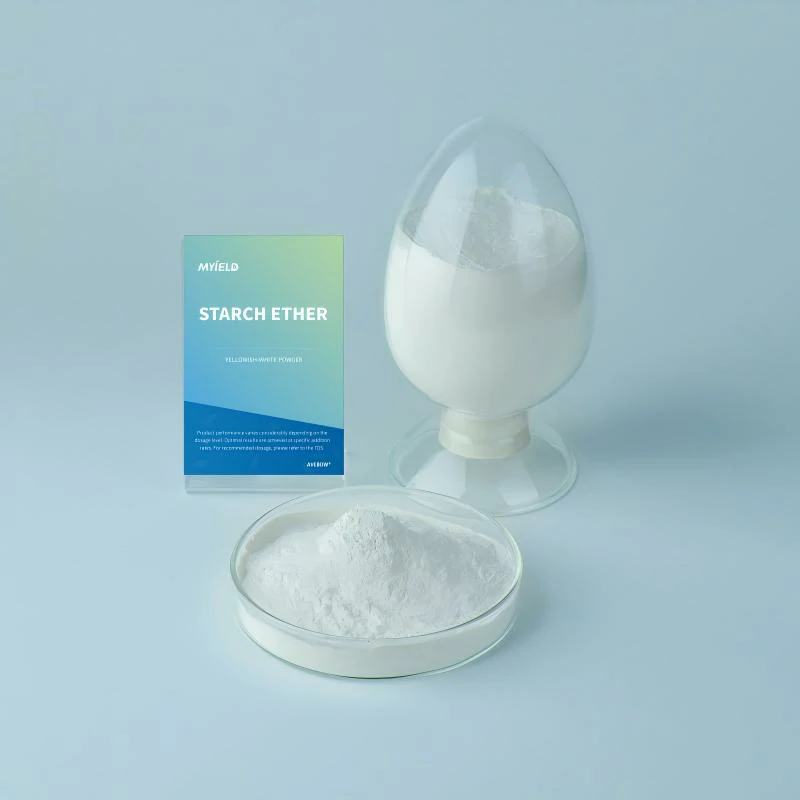
For different applications, customers may need different RDP properties, such as higher bonding strength, better flexibility, stronger hydrophobicity, improved anti-sagging performance, or better compatibility with cement, cellulose ether, starch ether, and other additives.
By understanding your application and formulation requirements, Myield Chemical can help recommend suitable RDP grades for tile adhesive, EIFS mortar, skim coat, self-leveling mortar, repair mortar, tile grout, and waterproof mortar systems.
Looking for the Right RDP Grade for Your Mortar Formula?
If you are producing dry-mix mortar and need better bonding strength, flexibility, crack resistance, water resistance, or improved workability, choosing the right redispersible polymer powder can make a major difference.
Contact Myield Chemical for product recommendations, technical support, samples, and quotation.
Email: [email protected]
WhatsApp: +86-18538509097
Tell us your application, target performance, and estimated monthly demand. Our team will help you recommend a suitable RDP grade for your formulation.