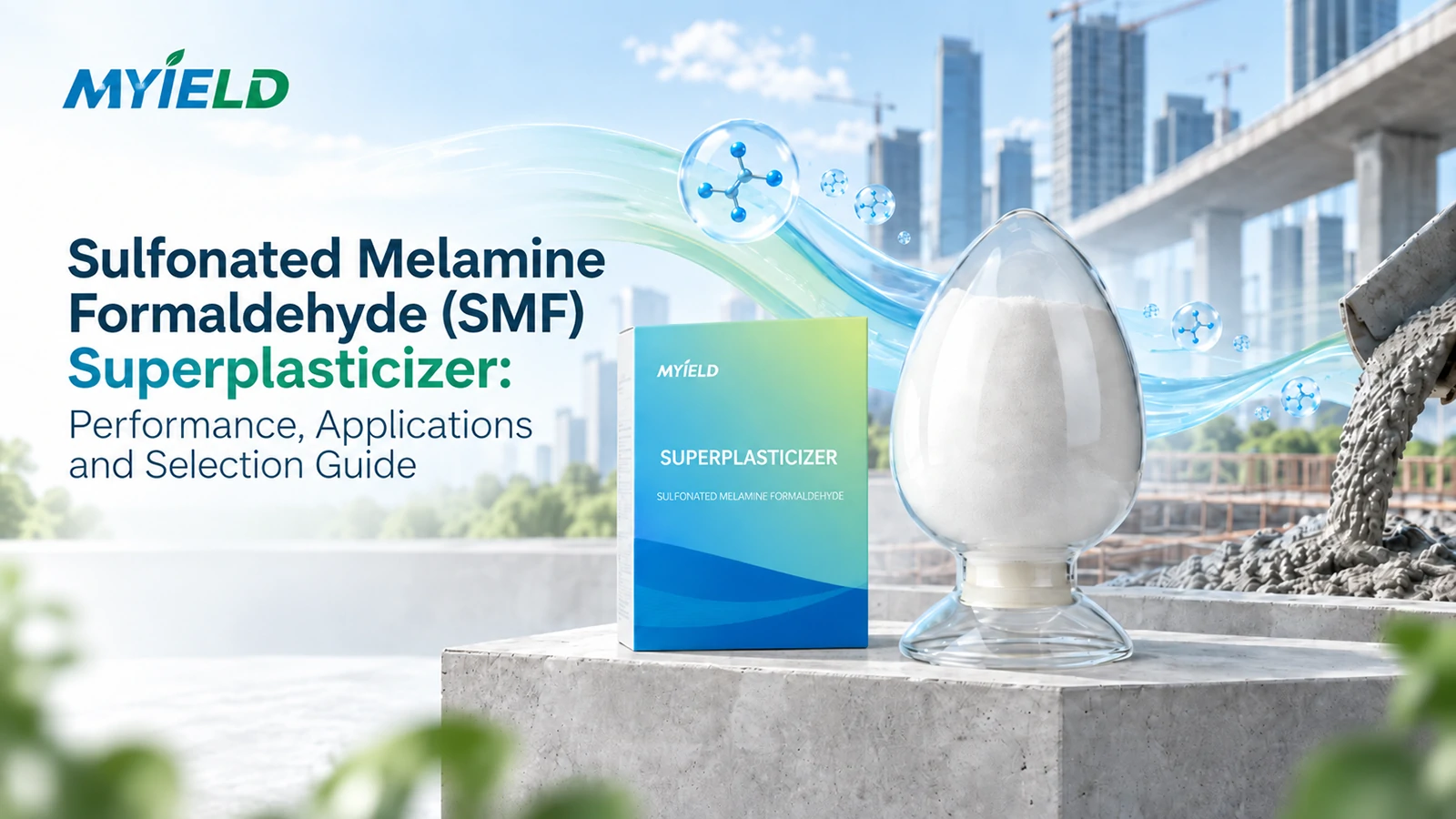






























Concrete is one of the most widely used construction materials in modern building projects. Its performance directly affects structural strength, durability, construction efficiency and long-term service life. To improve concrete quality, superplasticizers are widely used in ready-mix concrete, precast concrete and other cement-based systems.
A superplasticizer, also known as a high-range water-reducing admixture, helps concrete achieve higher fluidity with less mixing water. However, the key point is not only selecting the right product, but also controlling the correct dosage. Improper dosage may affect compressive strength, setting time, slump retention, air content, segregation resistance and overall durability.
For concrete producers, precast plants and construction material manufacturers, understanding the influence of superplasticizer dosage is essential for stable production and reliable project performance.
What Is a Superplasticizer?
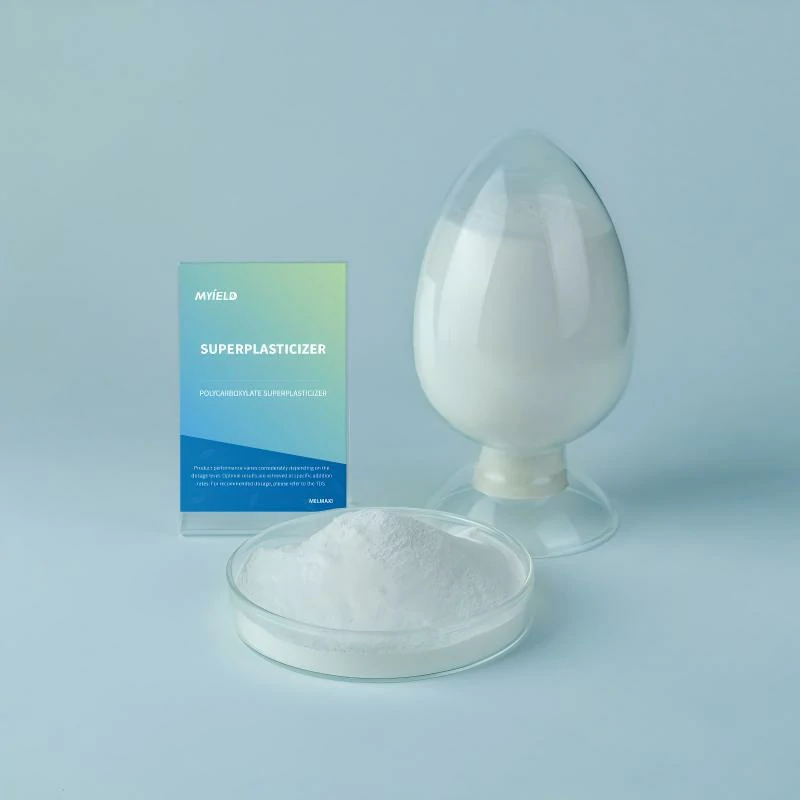
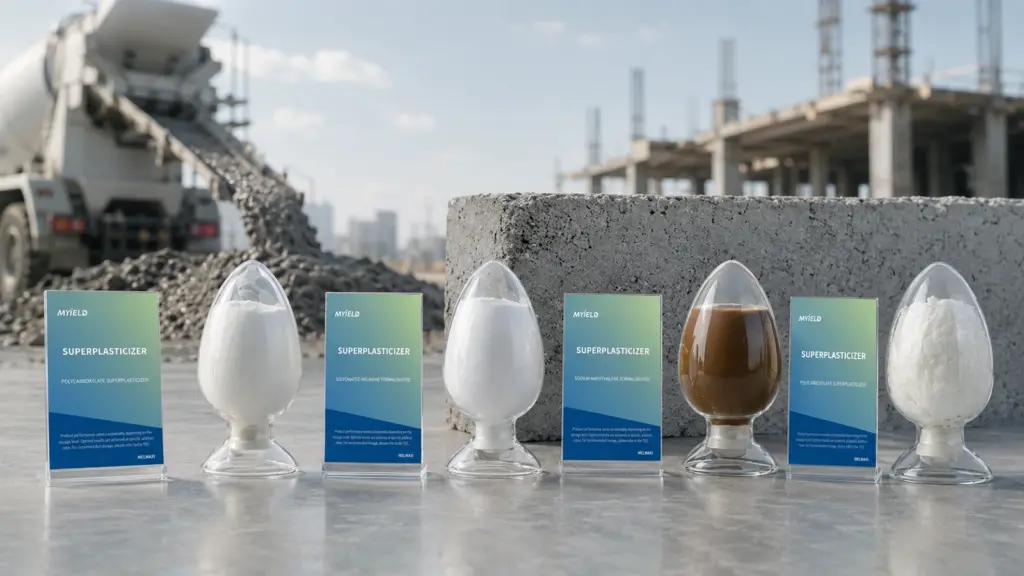
A superplasticizer is a chemical admixture used to disperse cement particles and reduce the water demand of concrete while maintaining or improving workability. Compared with ordinary water-reducing agents, superplasticizers normally provide stronger water-reducing performance and are especially important in high-strength concrete, high-flow concrete, pumped concrete and precast concrete systems.
Cement particles are very fine powder particles, usually with high surface energy and strong hydrophilic characteristics. When cement is mixed with water, particles may flocculate and trap part of the mixing water inside the flocculated structure. This reduces the effective water available for flow and increases the water demand of concrete.
After adding a suitable superplasticizer, cement particles can be dispersed more effectively. This helps release trapped water, improve flowability, reduce the water-cement ratio and enhance the compactness of hardened concrete.
Main Benefits of Superplasticizers in Concrete
When properly selected and correctly dosed, a superplasticizer can bring several important benefits to concrete production:
- Reduce mixing water while maintaining good workability
- Improve concrete fluidity and pumping performance
- Lower the water-cement ratio and support higher strength
- Improve compactness and reduce capillary pores
- Enhance impermeability and long-term durability
- Support high-strength and high-performance concrete design
- Improve construction efficiency and surface quality
- Help reduce cement consumption in optimized mix designs
For modern concrete production, superplasticizers are not only used to increase slump. They are also used to balance water reduction, flow retention, strength development, setting behavior and durability.
Effect of Superplasticizer on Compressive Strength
Compressive strength is one of the most important mechanical properties of concrete. It is closely related to the water-cement ratio, hydration degree, pore structure and density of hardened cement paste.
When a suitable superplasticizer is used, the water-cement ratio can be reduced without sacrificing workability. As the water-cement ratio decreases, the number of capillary pores in the hardened cement paste is reduced, and the concrete structure becomes denser. This usually contributes to higher compressive strength and better mechanical performance.
For high-strength concrete and precast concrete, superplasticizers are especially valuable because they allow the mix to maintain high flowability under a relatively low water-cement ratio. This helps improve early strength, final strength and production efficiency.
However, higher dosage does not always mean higher strength. Excessive dosage may cause bleeding, segregation, delayed setting or unstable air content, which may negatively affect strength development. Therefore, the dosage must be confirmed through formulation testing.
Effect on Concrete Durability
Durability is a key factor for concrete structures exposed to moisture, freeze-thaw cycles, carbonation, chloride penetration and other aggressive environments. A properly used superplasticizer can improve durability mainly by reducing the water-cement ratio and improving the compactness of concrete.
Freeze-Thaw Resistance
Freeze-thaw resistance is influenced by the water-cement ratio, pore structure and air-void system of concrete. When the water-cement ratio is reduced, the hardened concrete becomes denser, and water movement inside the concrete is limited. This can help improve resistance to freeze-thaw damage.
However, air content must be carefully controlled. A proper air-void system can improve freeze-thaw durability, but excessive air content may reduce compressive strength. Therefore, the compatibility between superplasticizer, cement, air-entraining agent and other admixtures should be evaluated during mix design.
Reinforcement Corrosion Resistance
In reinforced concrete structures, steel corrosion is closely related to carbonation depth, chloride penetration and concrete permeability. When carbon dioxide penetrates into concrete, it reacts with calcium hydroxide and reduces the alkalinity of the concrete. Once the passive film on steel reinforcement is damaged, the risk of corrosion increases.
By reducing the water-cement ratio and improving concrete density, superplasticizers can help reduce permeability and slow down the penetration of harmful substances. This supports better protection of steel reinforcement and improves the long-term service life of reinforced concrete structures.
Impermeability
Concrete impermeability is strongly affected by the water-cement ratio and internal pore structure. If the water-cement ratio is too high, excess water may leave capillary pores after evaporation, increasing water permeability and reducing durability.
A suitable superplasticizer allows concrete to achieve good workability with less water. This improves compactness, reduces pore connectivity and enhances impermeability. For basement concrete, waterproof concrete, infrastructure concrete and precast elements, this performance is especially important.
Effect on Concrete Workability
Workability determines how easily concrete can be mixed, transported, pumped, placed and compacted. It is affected by cement type, water content, aggregate gradation, temperature, mineral admixtures and chemical admixtures.
Within the recommended dosage range, increasing the amount of superplasticizer usually improves slump, flowability and placing performance. However, when the dosage exceeds the suitable range, concrete may show negative effects such as segregation, bleeding, excessive retardation, sticky consistency or rapid slump loss, depending on the formulation system.
This is why the recommended dosage should not be copied mechanically from one project to another. The suitable dosage depends on superplasticizer type, active content, cement chemistry, supplementary cementitious materials, aggregate quality, temperature and required performance.
For practical production, laboratory testing and trial batching are necessary before large-scale use.
Effect on Setting Time
Setting time is very important in real construction conditions. If concrete sets too quickly, it may affect transportation, pumping and finishing. If concrete sets too slowly, it may delay demolding, construction progress and early strength development.
Superplasticizers may affect setting time depending on their chemical type, dosage and compatibility with cement. In some systems, excessive dosage may lead to delayed setting or abnormal hardening behavior. Temperature also plays an important role. Higher temperatures usually accelerate cement hydration, while lower temperatures may slow down setting and strength development.
Therefore, when choosing a superplasticizer, concrete producers should evaluate not only water-reducing performance, but also slump retention, setting time, early strength and compatibility with local raw materials.
Effect on Rheological Properties
Fresh concrete is a complex suspension system. Cement particles, water, aggregates, mineral admixtures and chemical admixtures work together to determine the flow behavior of concrete.
Without enough dispersion, cement particles may form flocculated structures, increasing viscosity and reducing flowability. After adding a suitable superplasticizer, the dispersion of cement particles is improved, and the mixture becomes easier to flow under mixing, pumping or vibration.
For self-compacting concrete, pumped concrete and high-performance concrete, rheological control is especially important. A suitable superplasticizer can improve flowability while maintaining enough cohesion to reduce segregation and bleeding.
Good rheological performance does not simply mean “more fluid.” It means the concrete can flow, fill, pass through reinforcement and remain stable at the same time.
Why Correct Dosage Matters
Superplasticizer dosage must be carefully controlled. Too little dosage may not provide enough dispersion or water reduction. Too much dosage may cause excessive retardation, segregation, bleeding, unstable air content or strength fluctuation.
The best dosage should be determined based on actual raw materials and target performance, including:
- Cement type and brand
- Water-cement ratio
- Fly ash, slag, silica fume or other mineral admixtures
- Aggregate shape and grading
- Required slump or slump flow
- Slump retention time
- Setting time requirement
- Early and final strength target
- Construction temperature
- Pumping or placing method
For concrete producers, the most reliable approach is to test the superplasticizer in the actual formulation system before bulk production. This helps ensure stable performance, lower production risk and better project results.
Choose the Right Superplasticizer for Your Concrete Formulation
Superplasticizer selection directly affects concrete fluidity, strength development, durability and construction performance. For ready-mix concrete, precast concrete, pumped concrete and other cement-based systems, using the right superplasticizer can help improve formulation stability and reduce production problems.
Myield Chemical supplies high-performance superplasticizers and concrete admixture solutions for different cement-based applications. According to your cement type, required slump, slump retention time, setting time, strength target and local raw materials, our team can help recommend suitable grades and provide technical support.
Whether you need better water reduction, improved flowability, stable workability retention or stronger concrete performance, Myield Chemical can help you find a suitable solution for your formulation.
Looking for a reliable superplasticizer supplier? Contact Myield Chemical today for product recommendation, quotation and sample support.
Contact Myield Chemical
Email: [email protected]
WhatsApp: +86 185 3850 9097
Send us your application details, required performance and target dosage range — our technical team will help recommend the right superplasticizer grade for your concrete formulation.