

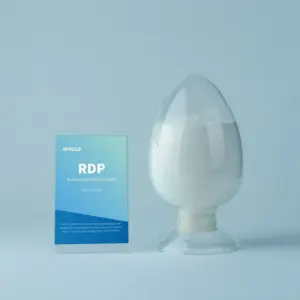
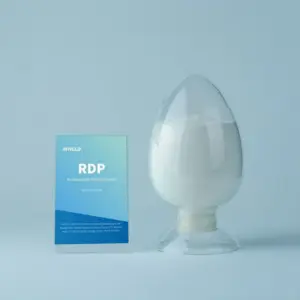
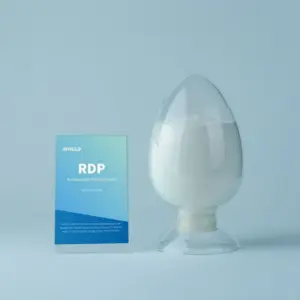

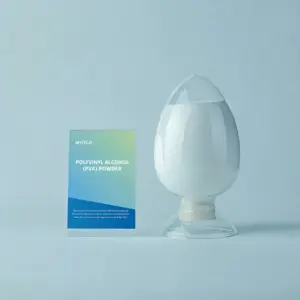




Redispersible Polymer Powder (RDP) is an important raw material in dry-mix mortar formulations and often represents a relatively high portion of the formulation cost. However, product quality can vary significantly among suppliers. For buyers and manufacturers, knowing how to make a quick preliminary judgment can help reduce the risk of purchasing low-quality or adulterated material.
Below are three simple methods that can be used for an initial evaluation of redispersible polymer powder.
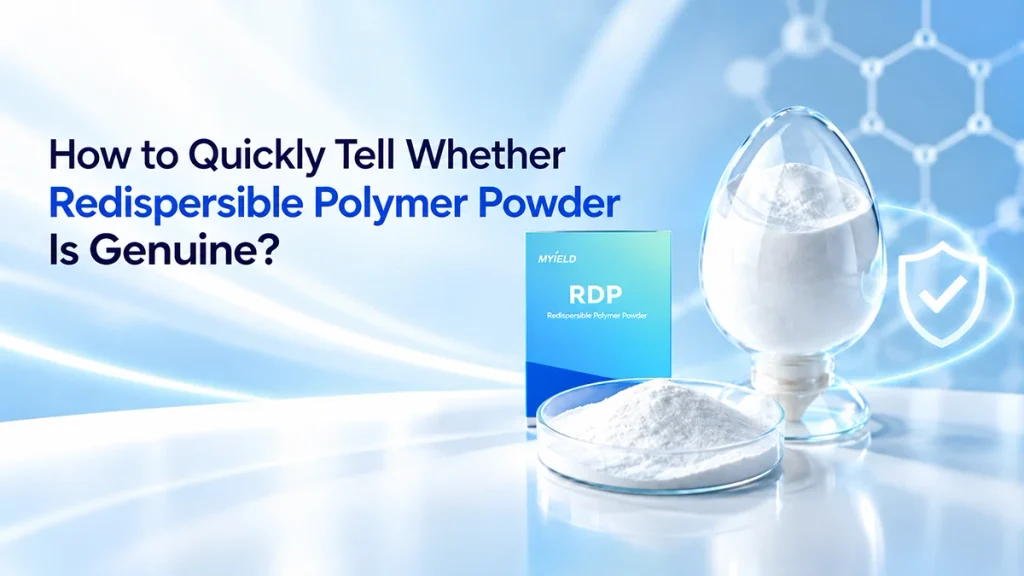
Method 1: Check the Appearance and Hand Feel
Observe the Color and Uniformity
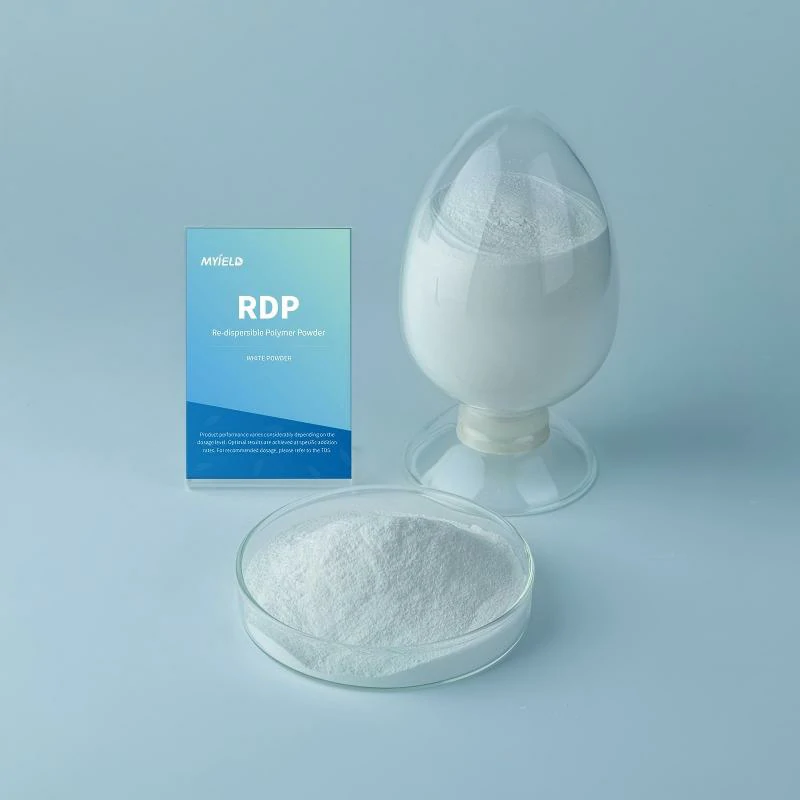
Place a small amount of RDP powder on a clean white sheet of paper and check its appearance carefully.
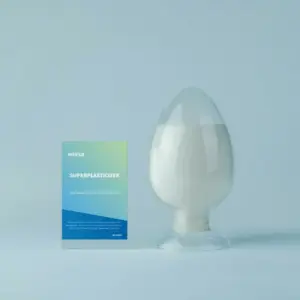
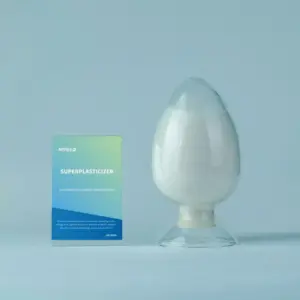
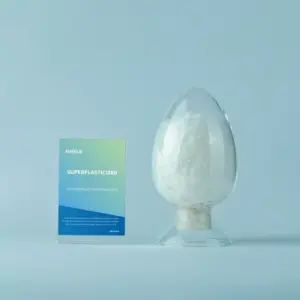
High-quality VAE redispersible polymer powder is generally white or slightly off-white, with a relatively uniform color. It should not contain obvious impurities, unusual particles, severe agglomeration, or visibly different-colored granules.
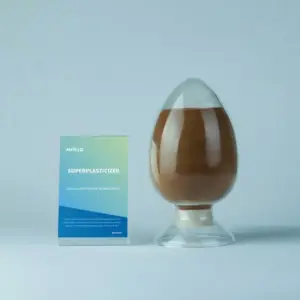
If the powder appears unusually yellow, gray, or contains noticeable impurities or hard lumps, further testing is recommended.
Check the Texture by Hand
Take a small amount of powder between your fingers and gently rub it.
A good-quality RDP normally has fine and relatively uniform particles due to the spray-drying process. It usually feels smooth and delicate, with a slight slippery sensation.
If the powder feels very coarse, contains obvious particles, or feels excessively dry and flour-like, it may indicate inconsistent particle quality or the possible presence of excessive fillers.
Observe the Flowability
Slowly pour the powder from a certain height onto a flat surface and observe how it flows.
Good-quality redispersible polymer powder normally has relatively good flowability and does not form severe lumps easily. During pouring, the powder should flow in a comparatively continuous manner.
If the material flows poorly, clumps easily, or falls intermittently, it may be related to excessive moisture, improper storage conditions, or product quality issues.
It should be noted that appearance and hand-feel tests are only suitable for preliminary screening. Some low-quality or adulterated products may still look very similar to normal RDP, so additional testing is necessary.
Method 2: Water Redispersion Test
A simple water redispersion test can provide more useful information about the performance of the powder.
Mix redispersible polymer powder with water at approximately a 1:5 powder-to-water ratio. Slowly add the powder into clean water at room temperature, stir for about 1–2 minutes, and then allow the mixture to stand.
A good-quality RDP should redisperse relatively quickly and form a uniform, fine, milky-white dispersion without excessive agglomeration.
After standing for around 30 minutes, the dispersion should remain relatively stable without obvious phase separation or a large amount of sediment at the bottom.
If there are many undispersed lumps, floating particles, heavy sediment, or rapid separation, the redispersibility of the product may be poor.
Method 3: Film-Forming Test
The film-forming test is another practical way to make a preliminary assessment.
After preparing the polymer dispersion, pour a small amount onto a clean glass plate and spread it into a thin, even layer. Leave it to dry naturally in a well-ventilated environment at room temperature.
A good-quality redispersible polymer powder should form a relatively continuous polymer film after drying. The film is often semi-transparent and should show a certain degree of flexibility, toughness, and adhesion to the substrate.
If the dried material remains mainly as loose white powder or can be easily rubbed off without forming a continuous film, this may indicate insufficient polymer content or poor film-forming performance.
Important Note
These three methods can be useful for quick screening, but they cannot completely replace professional laboratory testing.
For more accurate evaluation, parameters such as polymer content, ash content, moisture content, bulk density, minimum film-forming temperature, tensile adhesion strength, water resistance, and application performance should also be considered according to the intended formulation and end use.
Myield Chemical — Reliable RDP Solutions for Dry-Mix Mortar Applications
Henan Mingya Chemical Technology Co., Ltd. supplies redispersible polymer powder and other construction chemical additives for applications such as tile adhesives, wall putty, thermal insulation mortars, waterproof mortars, plastering systems, and other dry-mix formulations.
Myield Chemical focuses on product consistency and application performance. Our technical team can also provide product selection recommendations according to different formulation systems and application requirements, helping customers carry out formulation adjustment and performance verification more efficiently.
For inquiries about Redispersible Polymer Powder, product selection, technical specifications, samples, or quotations, please contact us:
Henan Mingya Chemical Technology Co., Ltd.
Email: [email protected]
WhatsApp: +86-18538509097