

















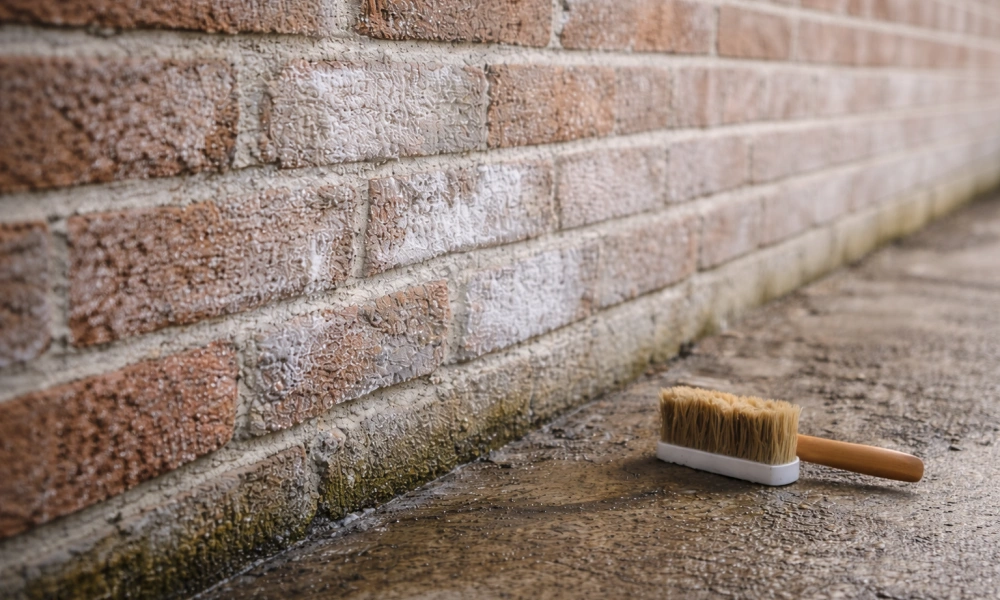
Efflorescence is the white, powdery or crystalline deposit that can appear on masonry, concrete, mortar, renders, and tile grout. It is usually a cosmetic issue, but it often indicates moisture movement through the system.
What must happen for efflorescence to occur?
Most field guides describe three conditions that must exist at the same time:
Reduce any one of these three conditions and the risk of efflorescence drops significantly.
Common causes of efflorescence
Cause A — Soluble salts in the system
Soluble salts may come from:
- Cementitious materials (alkalis/sulfates) and mortar/grout components
- Contaminated or salty sand/aggregate, or non-potable mixing water
- Soil/groundwater salts that wick upward (capillary rise)
- External exposure (coastal salts, de-icing salts, cleaning chemicals)
Cause B — Excess water during mixing, installation, curing, or cleanup
Water is the carrier. Overwatering increases the volume of salt solution and makes migration easier. In tile/grout work, efflorescence is frequently linked to too much mixing water or excessive wash water during cleanup.
Cause C — Water entry, poor drainage, or trapped moisture
Even with good materials, moisture problems can trigger efflorescence: missing/incorrect flashing, blocked weep holes, leaks around openings, splashback, sprinklers wetting walls, or damp-proofing issues. Efflorescence that appears long after completion often points to ongoing moisture intrusion.
Control solutions (best-practice checklist)
Solution 1 — Control water entry and provide drainage (highest impact)
Focus on moisture management first:
- Use correct flashing, weeps, and drainage details; keep cavities clear.
- Protect new masonry from rain during construction (cover wall tops/end-of-day protection).
- Prevent continuous wetting from sprinklers/splashback; seal penetrations properly.
Solution2 — Reduce soluble salts at the source
Material selection and handling help reduce the “salt supply”:
- Use clean, washed sand/aggregate and clean mixing water.
- Store materials off the ground and under cover to avoid contamination.
- Where feasible, consider low-alkali cement choices.
Solution 3 — Control mixing water and workmanship (especially tile grout)
Site practices that reduce risk:
- Do not add extra water for “easier” workability; avoid excessive re-tempering.
- Follow recommended mixing and curing times; keep fresh work protected from rain.
- For grout: avoid over-washing and overly wet sponges; remove standing water from joints.
Solution 4 — Reduce water absorption and water transport
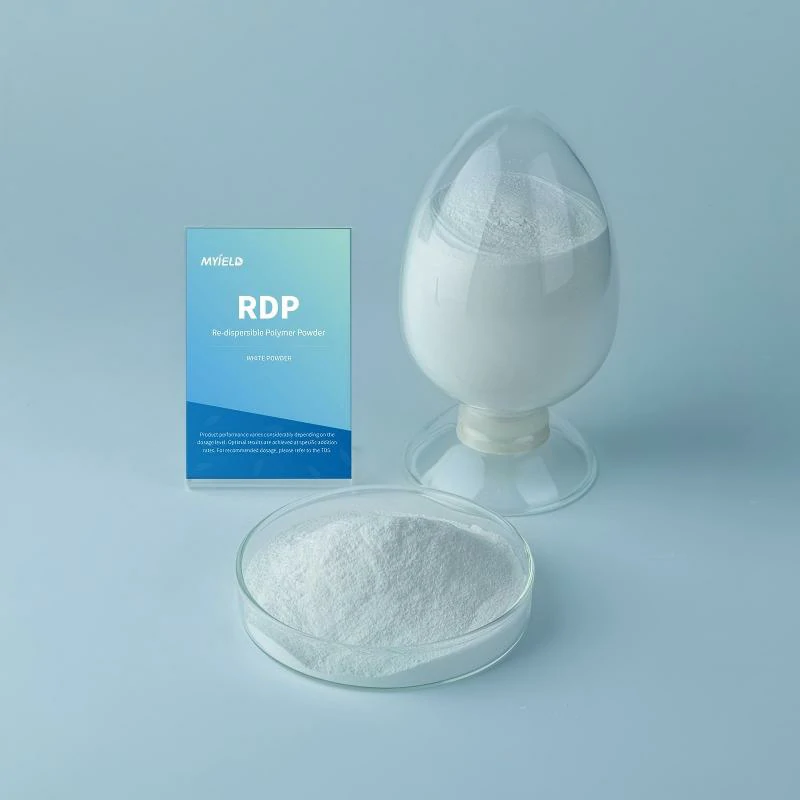
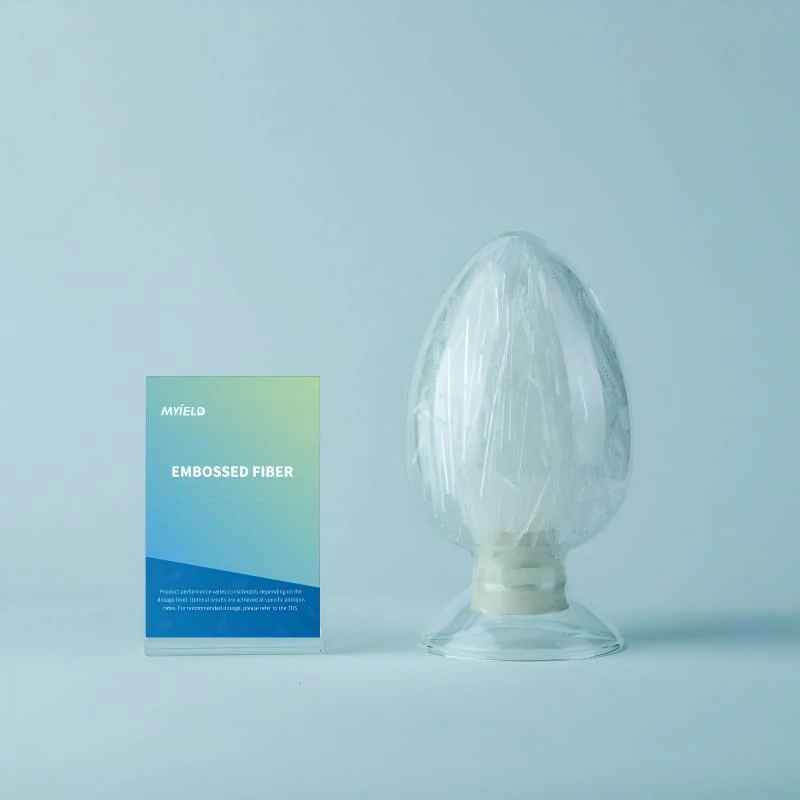
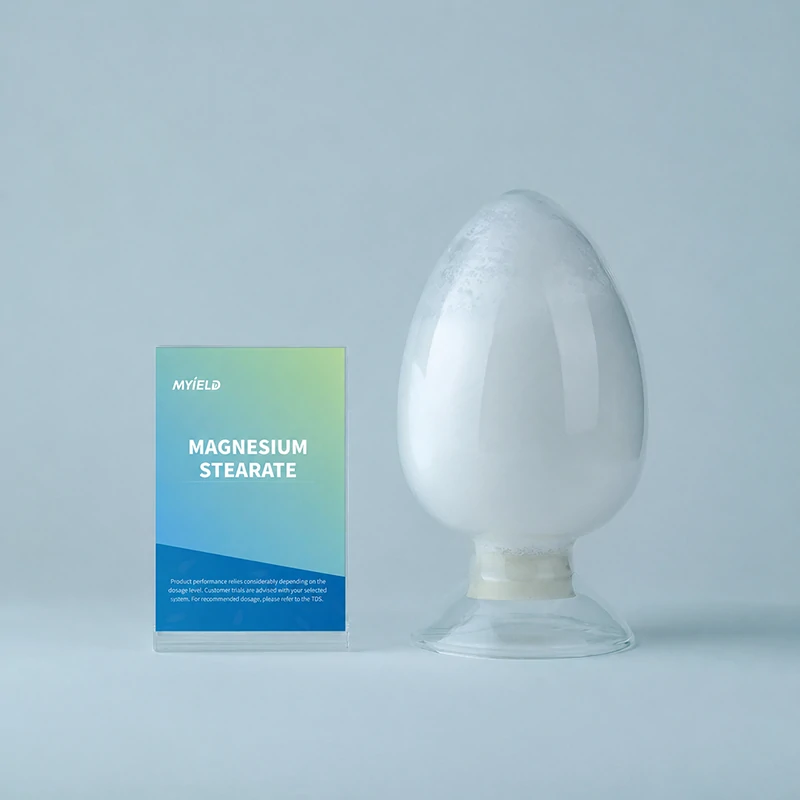
Once design and workmanship are controlled, reduce absorption and permeability with system-appropriate measures (e.g., optimized mix design, compatible water-repellent treatments, breathable protective systems). Choose products carefully—blocking evaporation without fixing the moisture source can create other issues.
Solution 5 — Use anti-efflorescence admixture strategies when appropriate
Some technical guides note that admixtures can be used as part of an overall prevention strategy. Because performance depends on cement/sand chemistry and site conditions, trial mixes and field validation are recommended.
If efflorescence already appears: practical removal steps
Start with the least aggressive approach: