




Outdoor ceramic systems (façade tiles, porcelain pavers, terracotta cladding, roof tiles) don’t fail because of one weak ingredient. They fail when water, movement, salts, and temperature cycling meet a system that wasn’t designed for that exposure. This short guide shows a practical way to select additive “modules” for weathering resistance—and what to validate before you ship.
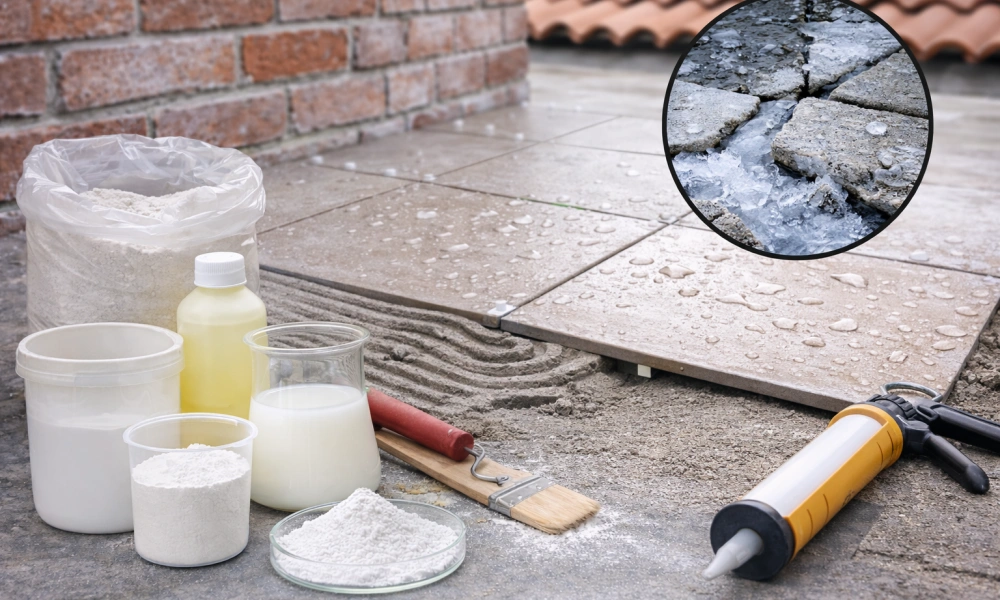
1) Start with the exposure profile (pick the main enemy)
Most field guides describe three conditions that must exist at the same time:
2) Verify the ceramic is suitable for outdoors
No additive package can compensate for a ceramic body that absorbs too much water in a freeze–thaw climate. Before optimizing additives, confirm baseline test compliance for your market:
- Water absorption (ISO 10545-3) as an indicator of porosity and moisture uptake risk.
- Frost resistance for freezing conditions (ISO 10545-12).
- For appearance durability, consider stain resistance (ISO 10545-14) where relevant.
3) Set installation performance targets (adhesive/grout/mortar)
Many international projects reference EN 12004 classification for cementitious tile adhesives. It’s a useful shortcut to define jobsite performance targets:
- T = reduced slip (better anti-sag for walls).
- E = extended open time (more forgiving installation).
- S1/S2 = deformability (movement tolerance).
4) Choose additive modules by function (fast selection logic)
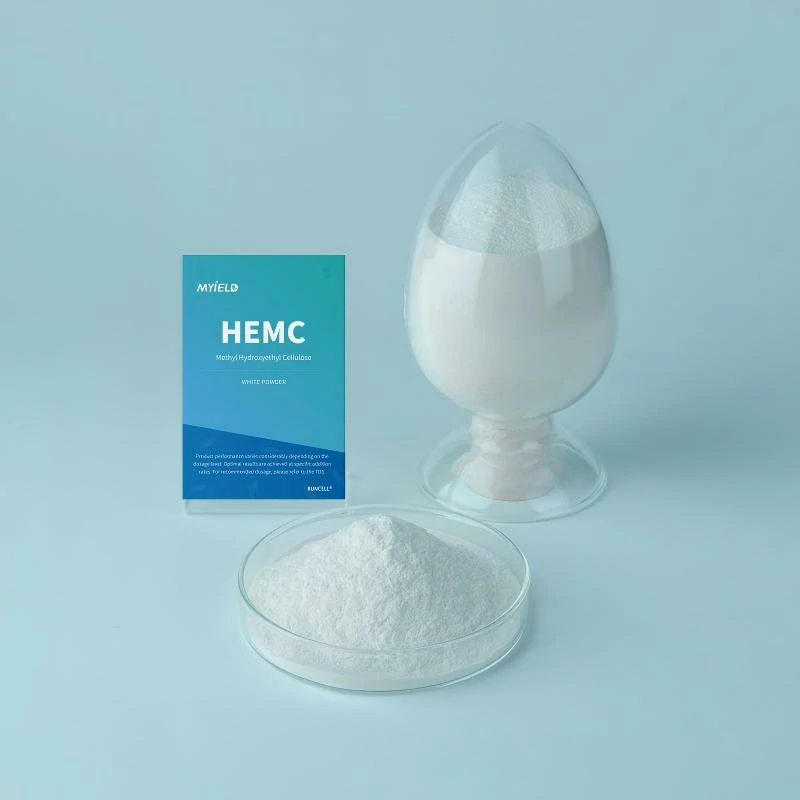
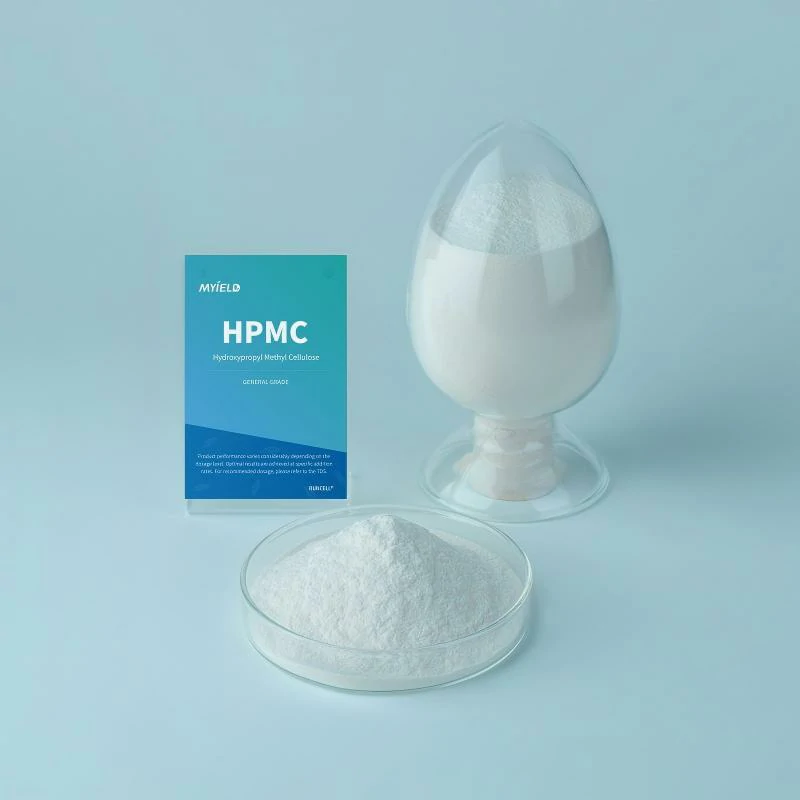
A) Cellulose ethers (HPMC / HEMC):
Improve install stability—water retention, open time, workability, and anti-sag behavior—especially in hot/dry/windy conditions or on absorptive substrates.
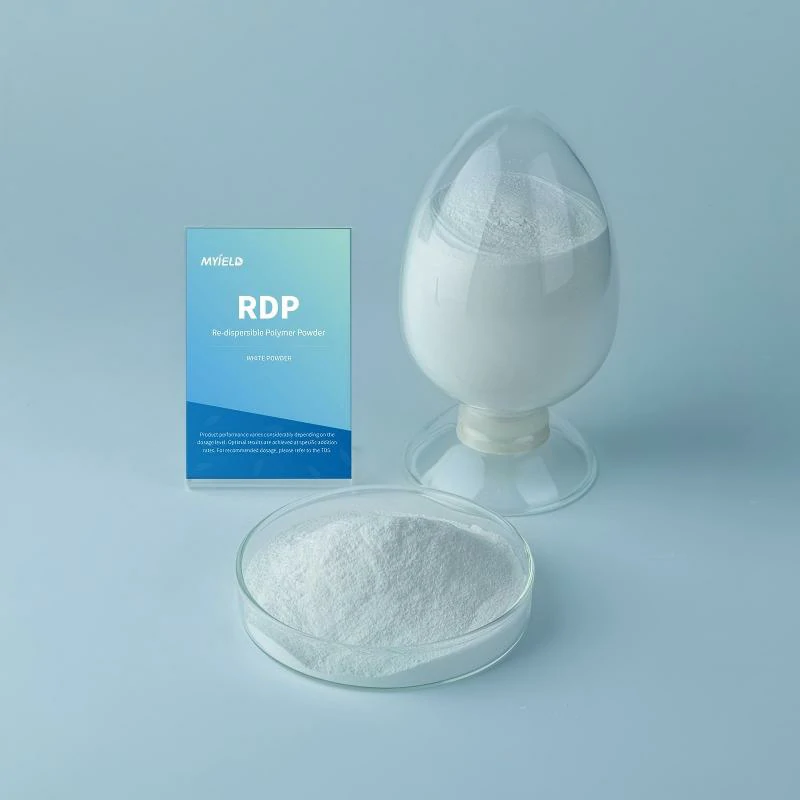
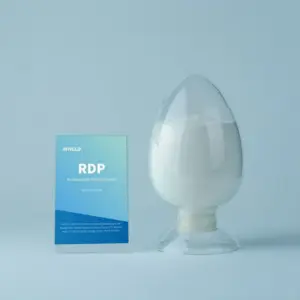
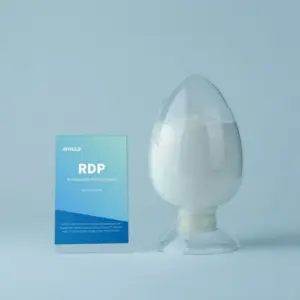
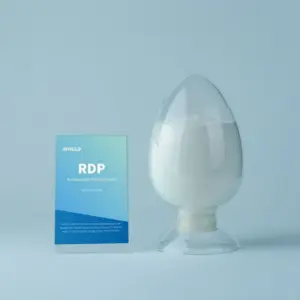
B) Redispersible polymer powder (RDP):
Improve adhesion and toughness/deformability, helping systems tolerate thermal movement and reducing cracking or debonding risk. A priority for façades, balconies, and large-format/low-absorption tiles.
C) Water reduction + densification:
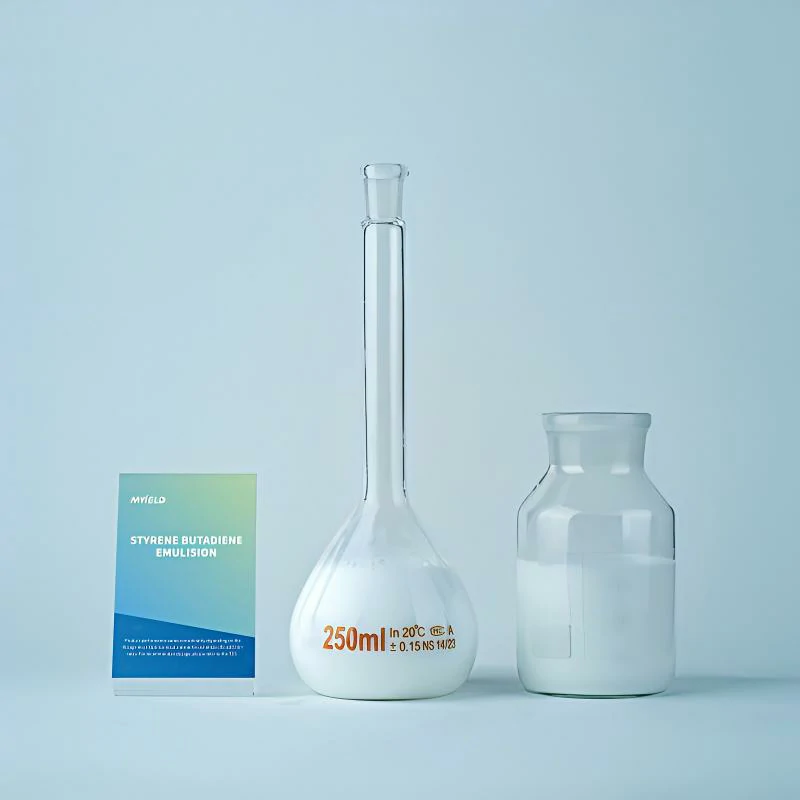
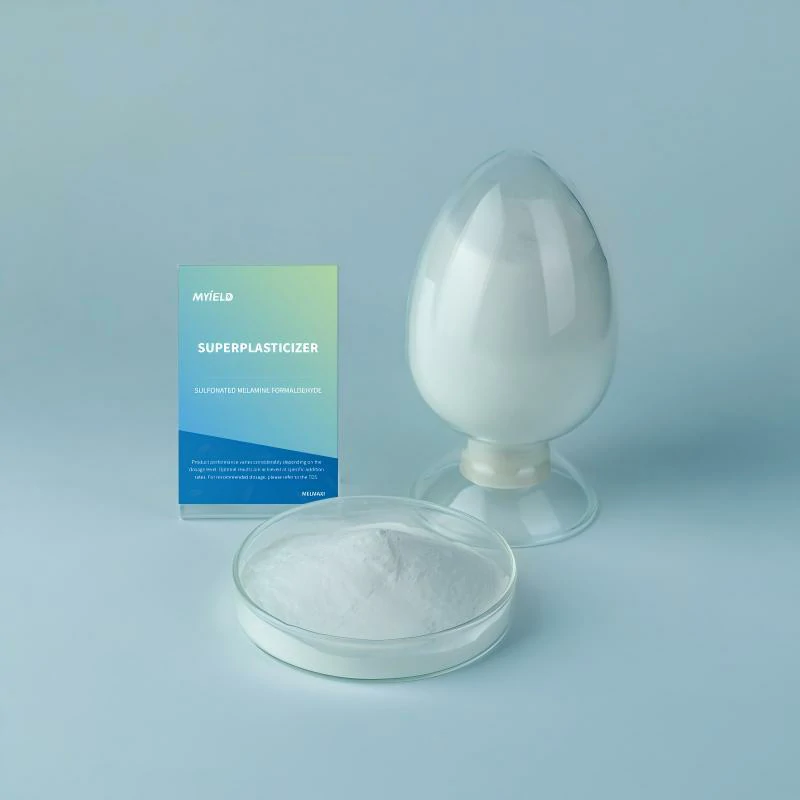
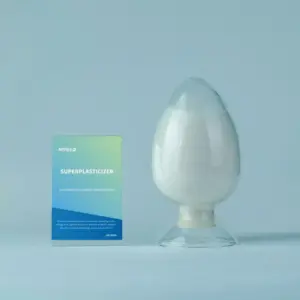
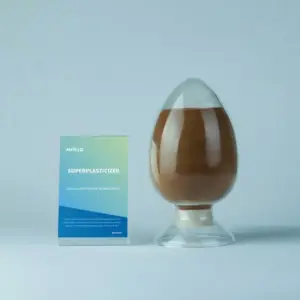
Weathering resistance improves when you limit capillary pathways and free water. Instead of adding extra water for workability, optimize the mix so workability is achieved with less water.
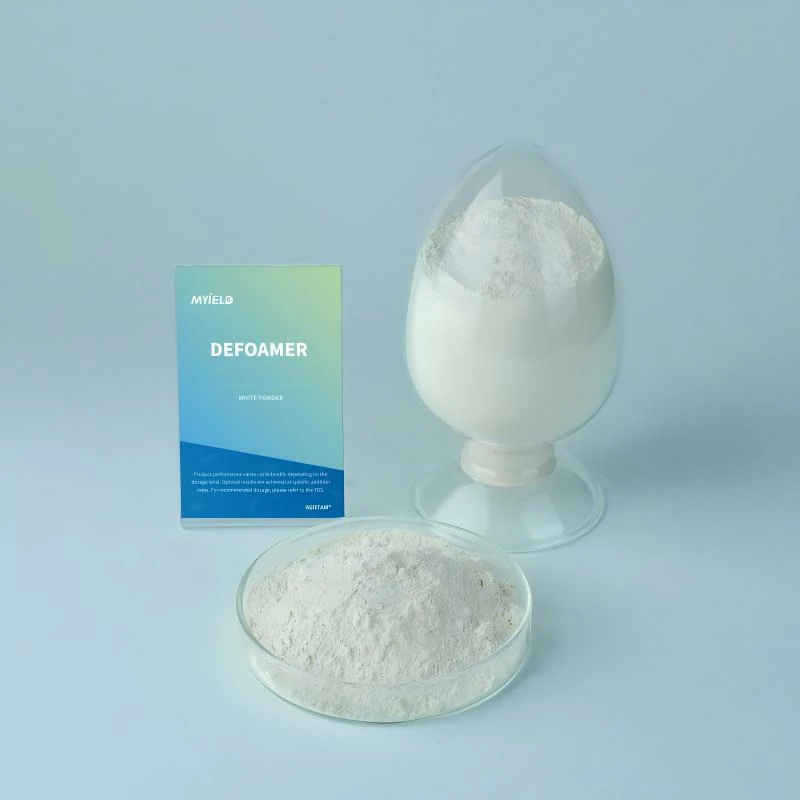
D) Defoaming / air release:
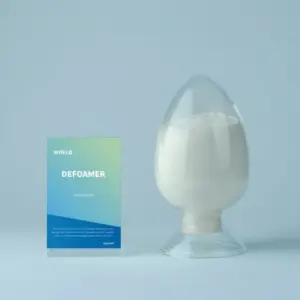
Trapped air and micro-voids increase permeability and speed up water ingress. A controlled defoaming strategy supports a tighter, more durable matrix (grouts, renders, repair mortars).
E) Water repellency that stays breathable (when appropriate):
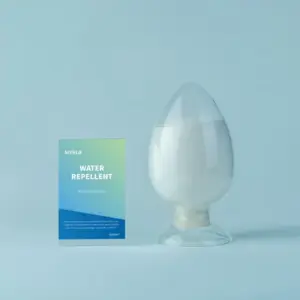
Penetrating silane/siloxane water repellents are commonly used on mineral substrates to reduce water absorption while maintaining breathability. Use this as a booster after good detailing/drainage—not as a substitute.
F) Efflorescence control:
Treat it as ‘salts + water + migration.’ Control mixing/cleanup water, reduce water transport through the system, and improve compactness so salts are less likely to reach the surface.
5) Validation checklist (what serious buyers expect)
- Confirm tile/body tests relevant to exposure (e.g., ISO 10545-3 and ISO 10545-12).
- Confirm adhesive targets (EN 12004 class: T/E/S1/S2 as required by the project).
- Run mock-up panels under realistic curing and weather cycles (especially façades and balconies).
How Myield Chemical can help
If you share your application (tile adhesive / grout / render / façade mortar), target climate (freeze–thaw / coastal / hot-dry), and the standard or class you must meet, Myield Chemical can recommend a practical additive package direction using our portfolio (cellulose ethers, RDP, water repellents, superplasticizers, defoamers, anti-efflorescence solutions) plus a testing checklist to support customer approvals.