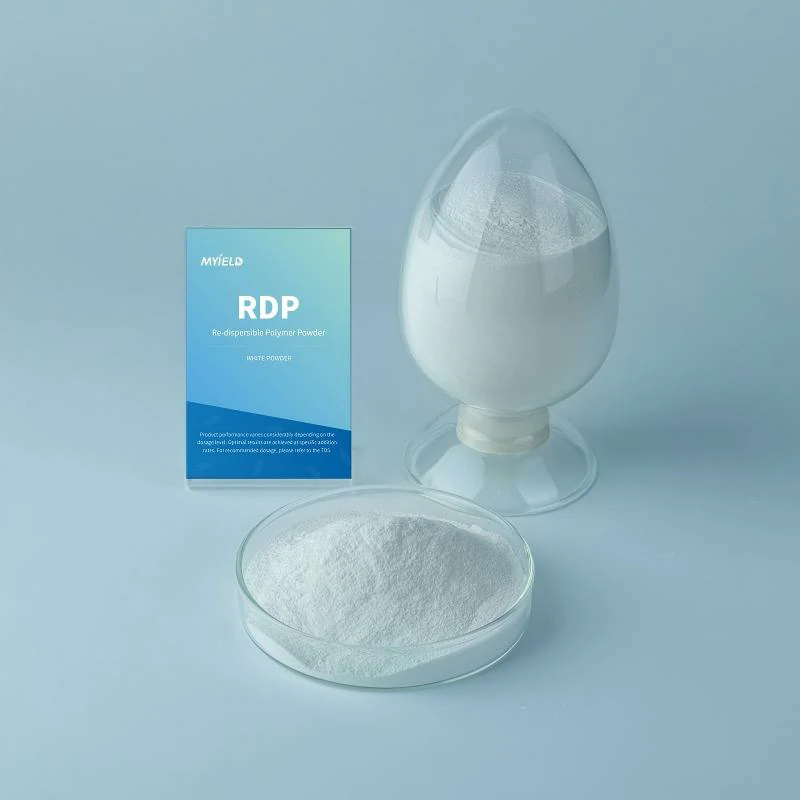







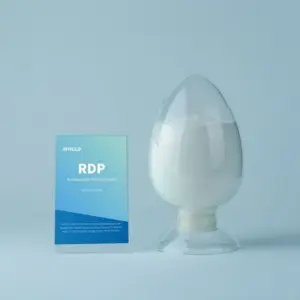
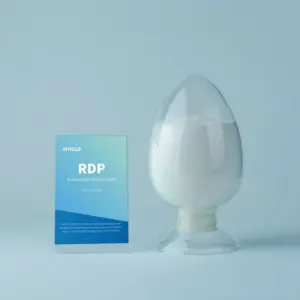
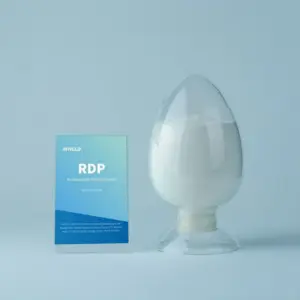
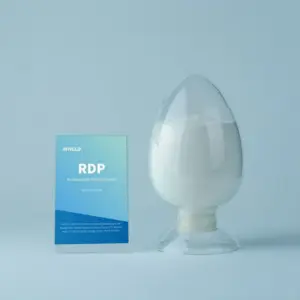
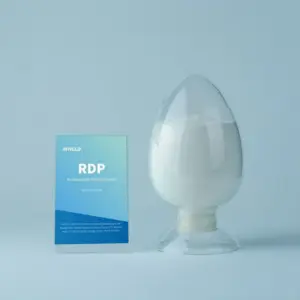
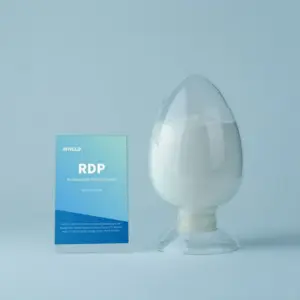








Redispersible Polymer Powder (RDP) is a spray-dried polymer binder that redisperses in water during mixing and forms a polymer network inside cement/gypsum systems. In dry-mix mortars, RDP is mainly used to upgrade bonding, flexibility, and durability without turning the formula into a liquid system.
What RDP improves in mineral mortars
Two clear ways to classify RDP
1) By chemistry (what it’s made of)
- EVA / VAE (Vinyl Acetate–Ethylene): the most common all-round choice for dry-mix mortars
- Styrene-Acrylic (SA / St-Ac): often chosen when water resistance and exterior durability are priorities
- SBR (Styrene-Butadiene): often used where toughness and water resistance are important (repairs, waterproofing concepts)
2) By functional grade (how customers buy it)
This is the most website-friendly approach because it matches real use cases.
Mingya Chemical RDP product categories and where they fit
- Adhesive EVA RDP
Best for: tile adhesives, bonding mortars, skim coats that need stronger adhesion.
- Flexible EVA RDP
Best for: EIFS/ETICS basecoat, repair mortars, renders in crack-sensitive areas.
- Self-Leveling EVA RDP
Best for: self-leveling compounds where flow, surface strength, and reduced dusting/powdering matter.
- Waterproofing EVA RDP
Best for: polymer-cement waterproof mortars/slurries and moisture-exposed cementitious systems.
- Styrene-Acrylic (SA) RDP
Best for: mixes that need stronger water resistance and exterior weathering durability.
- Styrene-Butadiene (SBR) RDP
Best for: repair and waterproofing-oriented systems needing toughness and water resistance.
Quick application to RDP type guide
- Tile adhesive (standard to upgraded grades): Adhesive EVA RDP
- EIFS/ETICS and crack-control renders: Flexible EVA RDP
- Self-leveling underlayment: Self-Leveling EVA RDP
- Cementitious waterproofing: Waterproofing EVA RDP, or SA/SBR RDP depending on water resistance and flexibility targets
- Repair mortars: Flexible EVA RDP or SBR RDP (depending on toughness/adhesion focus)
What to check in the TDS before you trial
- MFFT / Tg (film formation and flexibility window)
- Ash content (affects water demand and workability)
- Bulk density and particle size (handling and dispersion)
- pH and compatibility with cement, fillers, and other additives
RDP works best as a system not a standalone additive
In dry-mix mortars, RDP is commonly optimized together with:
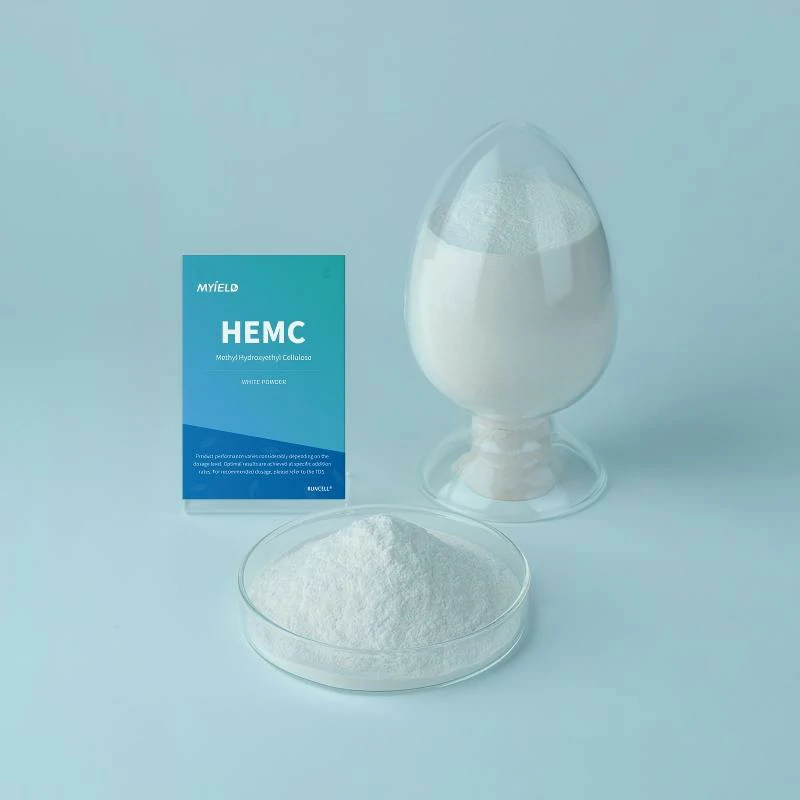
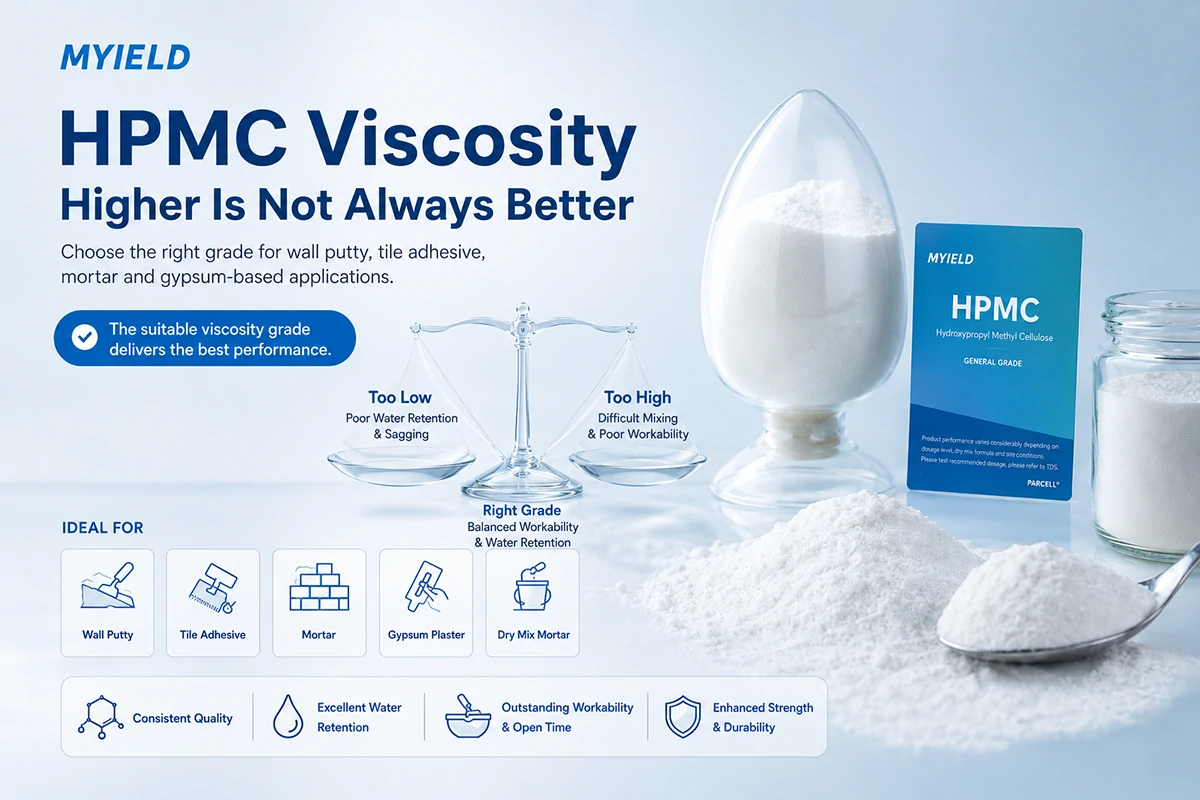
- Cellulose ethers (HPMC/HEMC/HEC) for water retention, open time, and sag control
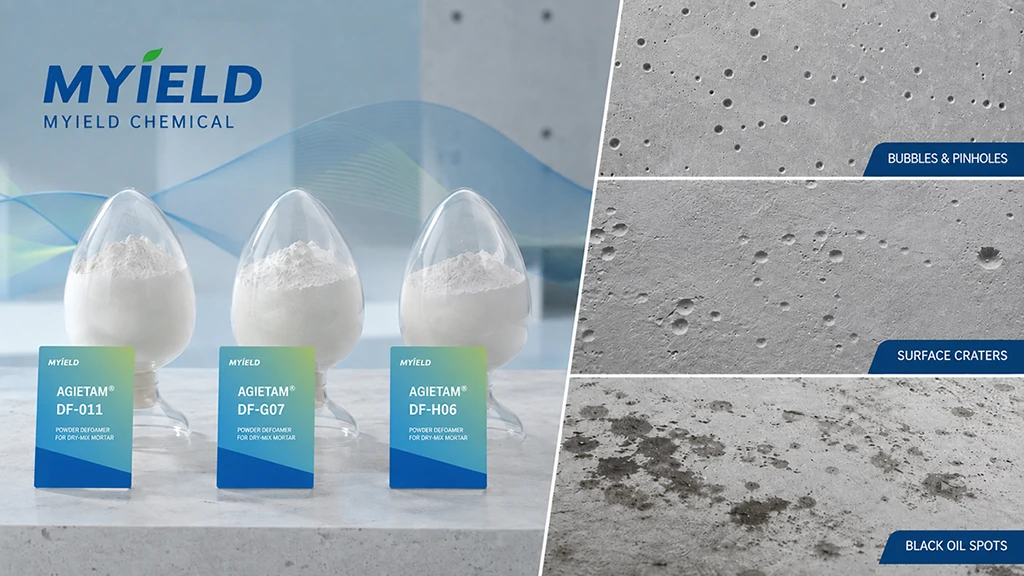
- Defoamer to manage entrained air and improve density/strength
- Water repellent when the formula needs stronger hydrophobic performance
- Superplasticizer when you need extra flow without adding water
If you share your target application (tile adhesive, EIFS, self-leveling, waterproofing), cement type, and the top two priorities (adhesion, flexibility, water resistance, flow), Mingya can shortlist the most suitable RDP category and suggest a practical trial direction.