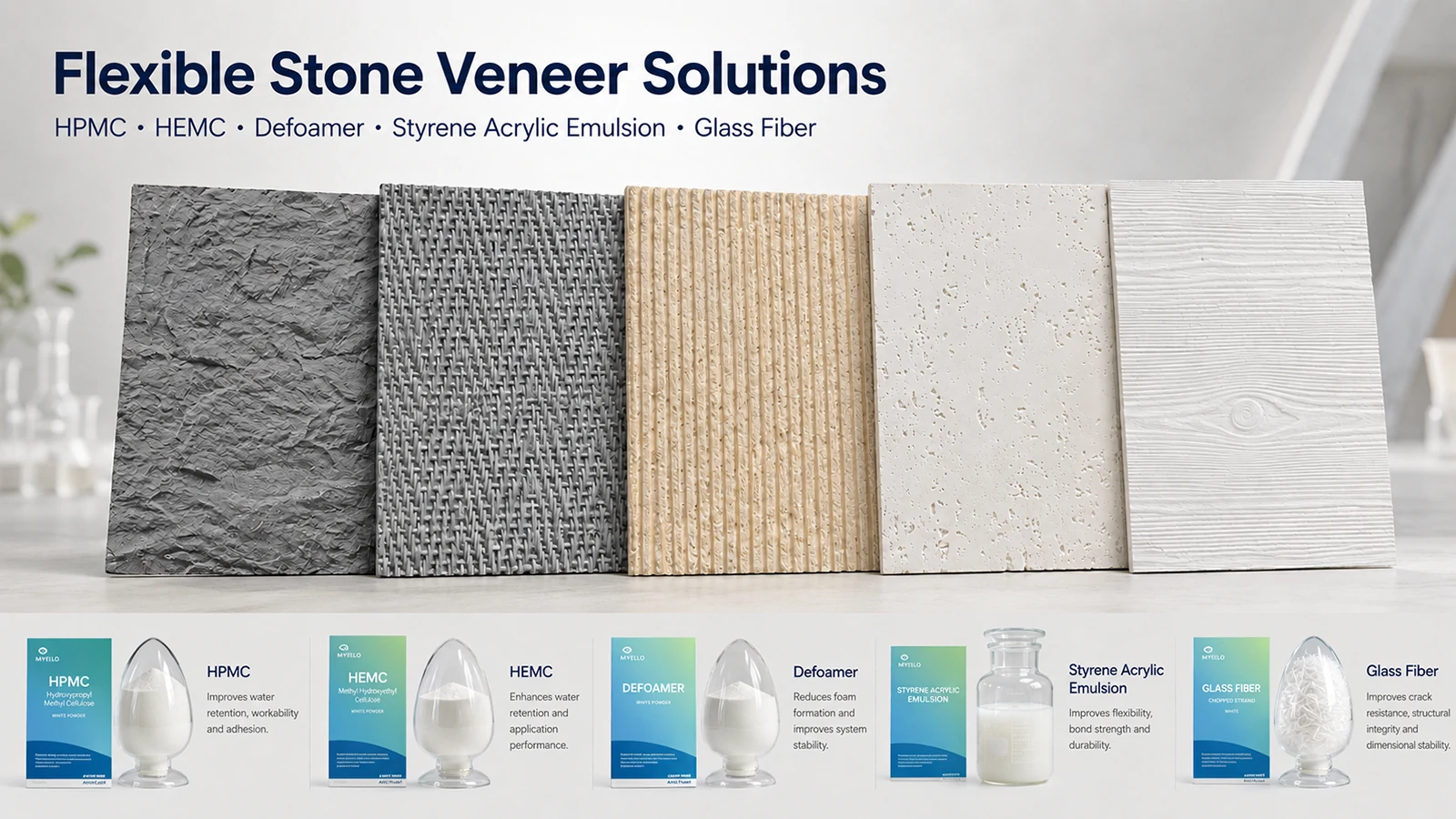
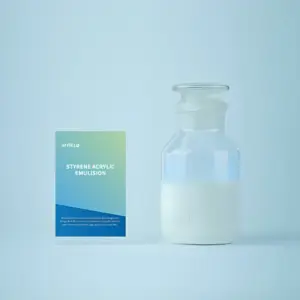
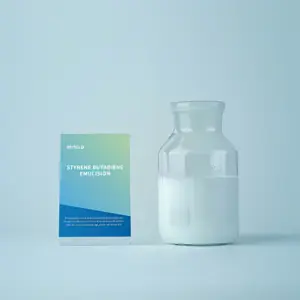





Styrene acrylic emulsion, also known as styrene-acrylate emulsion, is an important water-based polymer emulsion made by copolymerizing styrene and acrylic ester monomers. It is widely used in coatings, paper processing, adhesives and construction material formulations because it offers a good balance of adhesion, film formation, water resistance and cost performance.
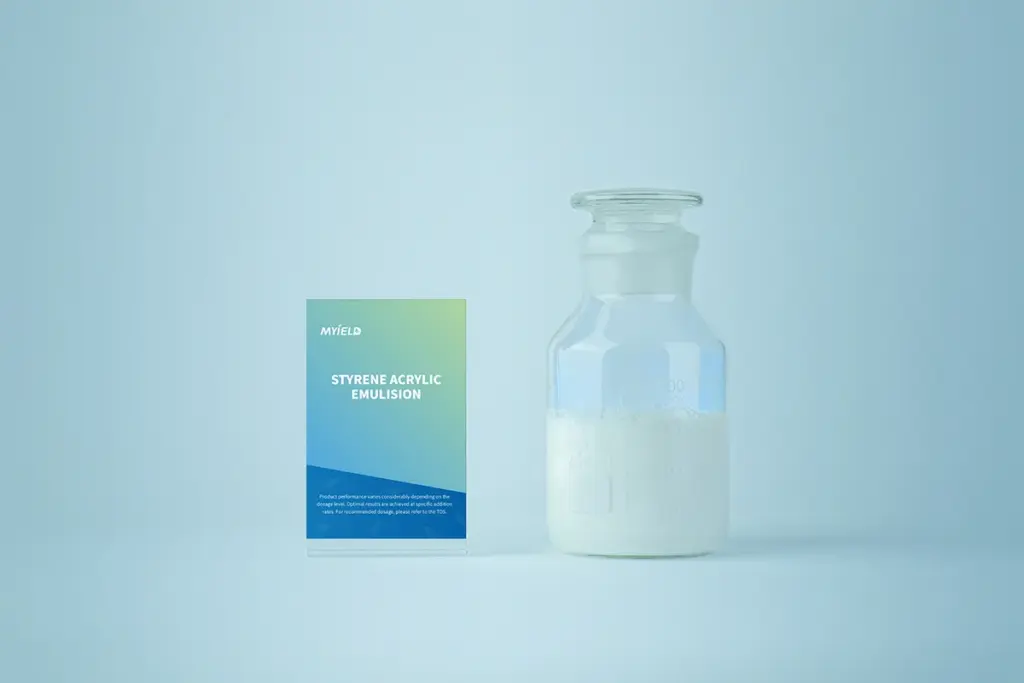
In practical production, styrene acrylic emulsion is usually supplied as a milky white liquid with a slight blue appearance. Typical products may have a solid content of around 40–45%, a weakly alkaline pH value, and a viscosity range suitable for different coating and adhesive systems. After drying, it can form a clear and continuous film, helping improve bonding strength, surface durability, water resistance, oil resistance, heat resistance and aging resistance.
Why Styrene Acrylic Emulsion Is Widely Used
For manufacturers, the main value of styrene acrylic emulsion is its practical performance. Styrene contributes hardness, cohesion and cost efficiency, while acrylic ester monomers provide adhesion, flexibility and film-forming ability. By adjusting the monomer ratio and formulation design, different grades can be developed for different applications.
This makes styrene acrylic emulsion a useful binder in many industries. It can be used directly in water-based systems and can also work together with starch, polyvinyl alcohol, sodium carboxymethyl cellulose and other binders. For large-scale production, this compatibility helps improve formulation flexibility and production stability.
Main Applications
Architectural Coatings
Styrene acrylic emulsion is commonly used in interior and exterior wall coatings. It helps bind pigments and fillers, improves adhesion to the wall surface, and supports better water resistance, film strength and coating durability.
For coating manufacturers, it is often selected when both performance and formulation cost need to be controlled.
Paper Coating and Paper Adhesives
In the paper industry, styrene acrylic emulsion can be used as a paper adhesive, coating binder, impregnation agent or paper treatment additive. It helps improve paper surface strength, tensile strength, ring crush strength and water resistance.
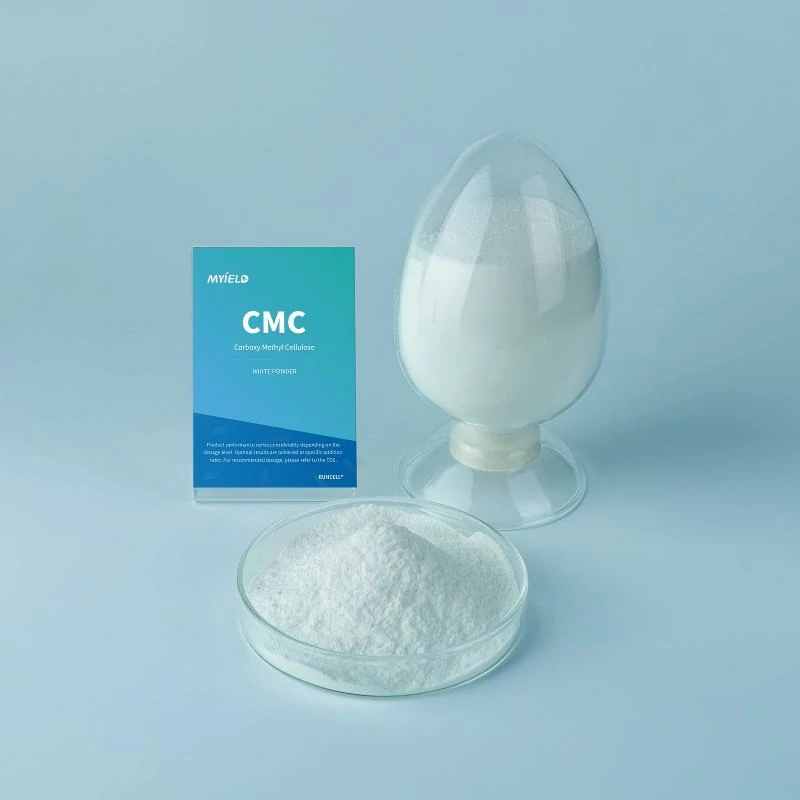
It can also be combined with starch, PVA or CMC to adjust bonding strength, surface smoothness and cost.
Adhesives
Styrene acrylic emulsion is suitable for many water-based adhesive systems. It provides film formation, bonding performance and good formulation compatibility, making it useful in paper bonding, packaging adhesives and other industrial adhesive applications.
Construction Materials
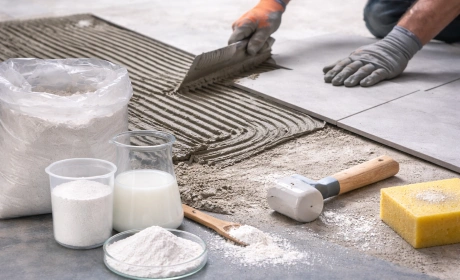
In construction material formulations, styrene acrylic emulsion can help improve adhesion, surface strength, water resistance and durability. It may be used in cement-based coatings, wall treatment materials, primer systems, repair materials and other polymer-modified building materials.
Modified Styrene Acrylic Emulsion
To meet higher performance requirements, styrene acrylic emulsion can also be modified in different ways.
Silicone-modified styrene acrylic emulsion can improve weather resistance, elasticity, gloss retention and durability. Fluorine-modified grades offer better resistance to weathering, chemicals, staining and abrasion. Epoxy-modified styrene acrylic emulsion combines stronger adhesion and corrosion resistance with good film-forming performance.
Functional monomer modification is also widely used to improve adhesion, water resistance, stability or other special properties. In some paper, textile or surface treatment applications, cationic styrene acrylic emulsion can be selected because it has better interaction with negatively charged surfaces.
What Buyers Should Consider
When choosing styrene acrylic emulsion, buyers should not only compare price. For industrial production, stable quality is very important.
Key points include solid content, viscosity, pH value, film performance, storage stability, compatibility with the existing formulation, and batch-to-batch consistency. A suitable supplier should also provide technical documents, sample support and grade recommendations based on the customer’s application.
Styrene acrylic emulsion is generally stored in sealed containers under suitable warehouse conditions. A common recommended storage temperature is 5–30°C. Freezing, contamination and long-term exposure to high temperature should be avoided.
Myield Chemical Styrene Acrylic Emulsion
Myield Chemical supplies styrene acrylic emulsion for coatings, paper processing, adhesives and construction material applications. Based on your formulation and final use, we can recommend suitable grades for testing and production.
If you are looking for a reliable styrene acrylic emulsion supplier or need a suitable styrene-acrylate emulsion for your product system, please contact us for product details, samples, TDS, SDS and quotation.
Email: [email protected]
WhatsApp: +86-18538509097