






Flexible stone veneer, sometimes referred to as soft stone or flexible wall cladding, is becoming an increasingly attractive decorative material for interior and exterior architectural applications. Compared with traditional natural stone panels, flexible stone products can be manufactured as relatively thin and lightweight sheets while reproducing a wide variety of stone, concrete, wood-grain and textured decorative surfaces.
However, producing a flexible stone veneer with a good appearance is only part of the challenge.
For manufacturers, the more important questions are often:
How can sufficient flexibility be achieved without making the sheet too soft? How can cracking during drying or bending be reduced? How can good adhesion between mineral fillers and the polymer binder be maintained? And how can pinholes, bubbles and uneven surfaces be controlled during production?
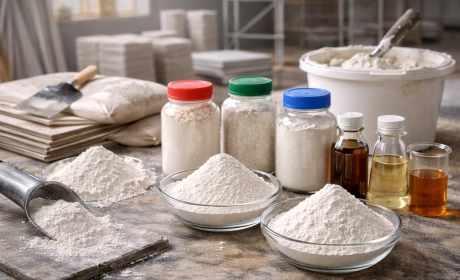
In practice, these properties normally cannot be achieved by relying on a single raw material. A more effective solution is to build a balanced formulation using polymer emulsion, cellulose ether, defoamer and short reinforcing fiber together with suitable mineral fillers, pigments and other functional components.
1. Polymer Emulsion for Flexibility and Bonding Performance
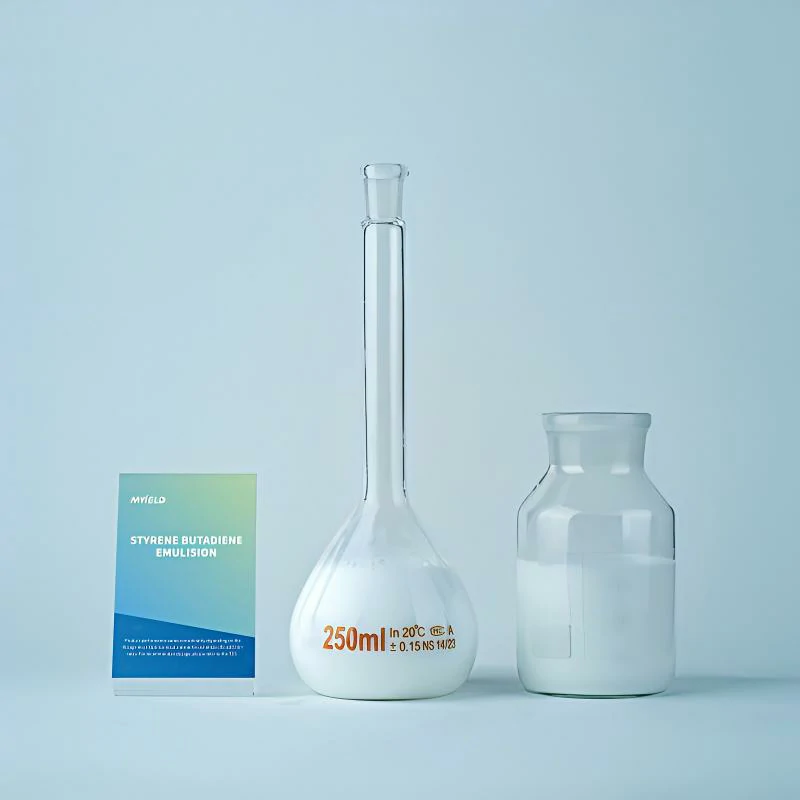
The polymer binder is one of the most important components in a flexible stone veneer formulation.
Flexible stone normally contains a relatively high proportion of mineral materials. Without a suitable polymer system, it can be difficult to achieve the flexibility, adhesion and structural integrity required for a thin decorative sheet.
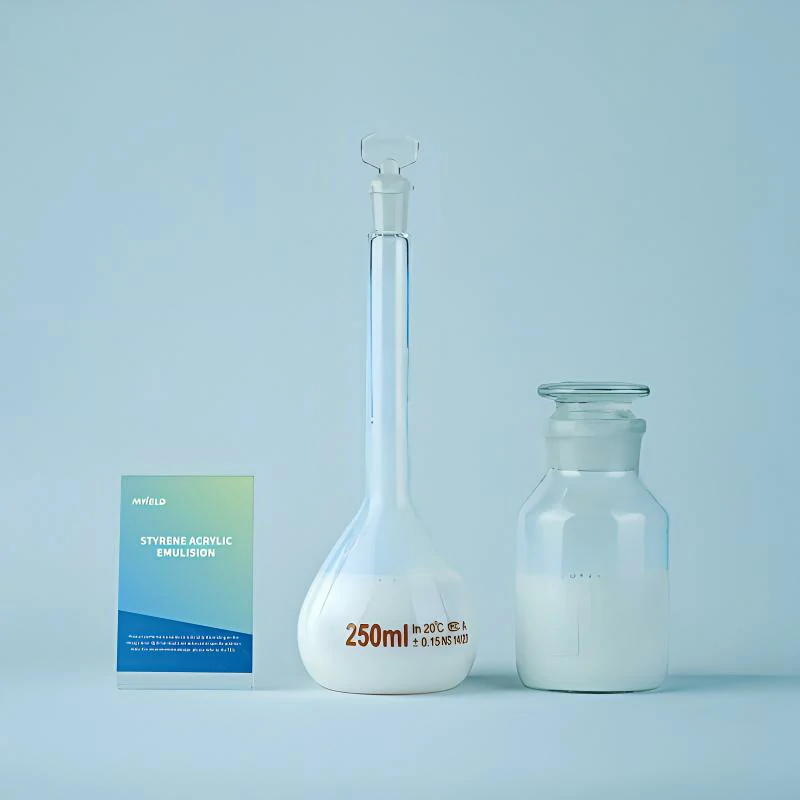
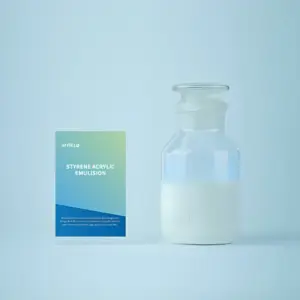
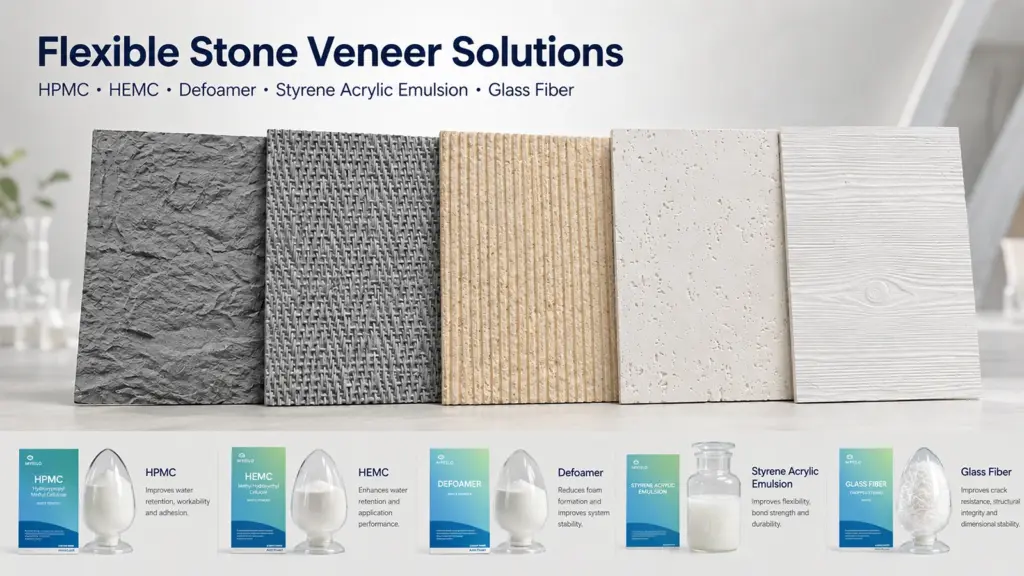
For this type of application, Styrene Acrylic Emulsion can be an important formulation option.
Its role is not simply to bind the mineral fillers together. A properly selected polymer emulsion can help provide:
- Good bonding between mineral particles
- Improved flexibility after drying
- Better adhesion within the composite structure
- Reduced risk of cracking during bending
- Improved integrity of thin veneer sheets
- Better water resistance and durability
The key is achieving the right balance between flexibility and strength.
If the polymer system is too rigid, the finished veneer may crack when bent or installed on curved surfaces. If the formulation becomes excessively soft, dimensional stability and handling performance may suffer.
Therefore, polymer emulsion selection should be considered together with the type of mineral filler, sheet thickness, production process, drying conditions and required final performance.
2. Cellulose Ether for Rheology and Processing Control
The performance of flexible stone veneer is determined not only by the properties of the finished sheet but also by how the wet mixture behaves during production.
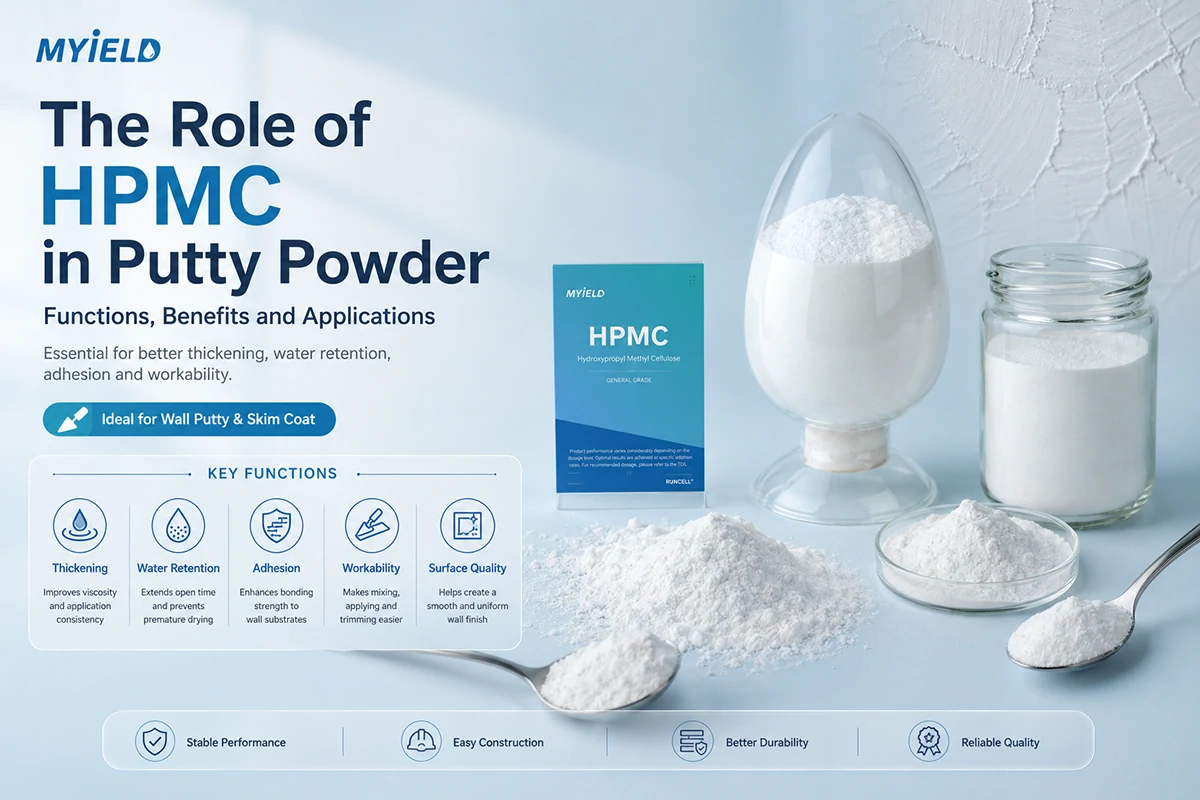
This makes Cellulose Ether, including suitable HPMC or HEMC grades, another important component of the formulation.
Cellulose ether can help regulate the rheological behavior of the system and provide the consistency required for mixing, spreading, scraping, coating and surface forming.
In a flexible stone formulation, properly selected cellulose ether can help:
- Improve the stability of the wet mixture
- Reduce separation between liquid and solid components
- Provide suitable viscosity and consistency
- Improve water retention
- Keep pigments and mineral fillers more uniformly distributed
- Improve processing and coating performance
- Support the formation of textured decorative surfaces
This is especially important when producing stone patterns, grooves, woven textures, wood-grain surfaces or other three-dimensional decorative effects.
However, higher viscosity does not automatically mean better performance.
If the viscosity becomes too high, spreading and leveling may become difficult. It can also influence air entrainment and increase processing resistance.
The objective is therefore to select the appropriate HPMC or HEMC grade according to the complete formulation rather than simply choosing the highest-viscosity product.
3. Defoamer for Better Surface Quality
Air entrainment is another common challenge during flexible stone veneer production.
Air can enter the system during high-speed mixing, pigment and filler dispersion, polymer emulsion addition or other production stages. Some rheology-modifying materials can also make bubbles more difficult to release naturally.
If excessive air remains inside the mixture, manufacturers may encounter problems such as:
- Pinholes
- Surface bubbles
- Internal voids
- Uneven density
- Poor surface smoothness
- Localized weak points
For a decorative material such as flexible stone veneer, surface appearance is particularly important. Even small defects may influence the visual quality of the finished product.
A suitable Defoamer can therefore play an important role in controlling unwanted air and improving production stability.
The defoamer should be compatible with the polymer emulsion, cellulose ether and mineral components used in the system.
Dosage also needs to be carefully controlled. Too little defoamer may not provide sufficient bubble control, while excessive addition may negatively affect compatibility or surface performance.
For this reason, defoamer selection should be evaluated as part of the complete formulation.
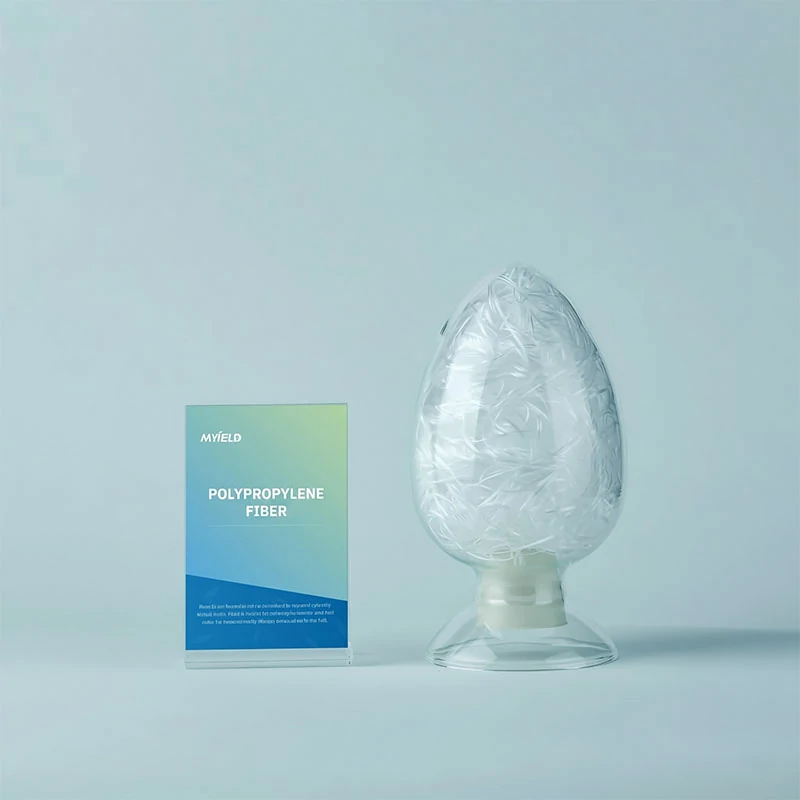
4. Glass Fiber for Reinforcement and Crack Resistance
Because flexible stone veneer is generally manufactured as a relatively thin decorative sheet, it must maintain sufficient structural integrity during drying, demolding, handling, transportation and installation.
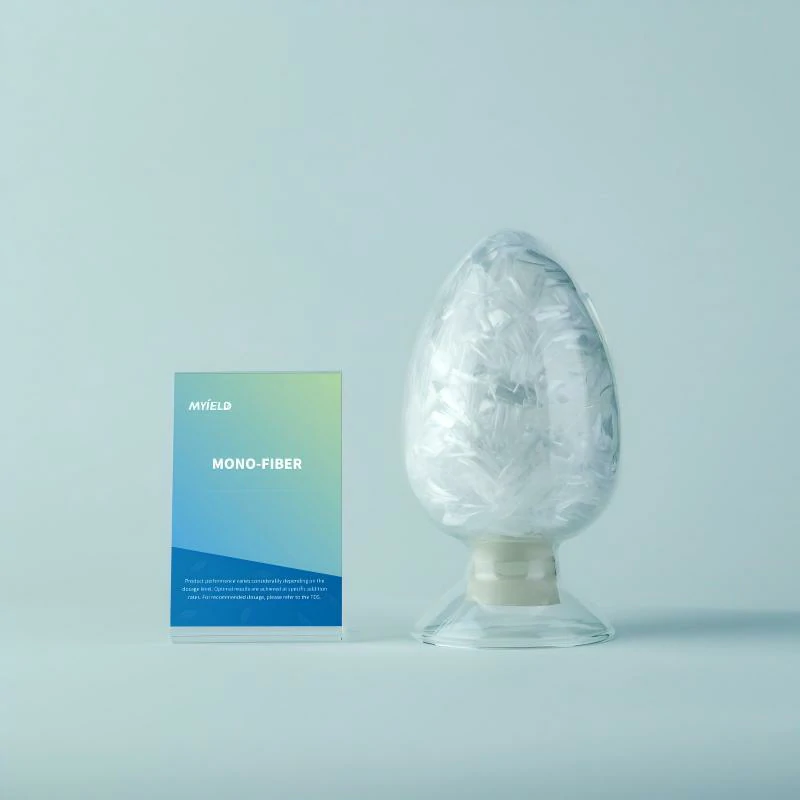
This is where Glass Fiber can provide important reinforcement.
Properly selected short glass fibers can be dispersed within the formulation to create a reinforcing network inside the polymer-mineral matrix.
In flexible stone veneer production, glass fiber can help:
- Improve crack resistance
- Increase structural integrity
- Improve dimensional stability
- Reduce the risk of damage during handling
- Reinforce thin veneer sheets
- Improve resistance to localized stress
- Support the composite structure during installation
Glass fiber does not replace the polymer binder. Instead, it works together with the polymer emulsion to reinforce the overall structure of the flexible stone.
Fiber length, dosage and dispersion are particularly important.
If too much glass fiber is added, the viscosity and flow behavior of the wet mixture may change significantly. Poor fiber dispersion can also create agglomeration and make coating or surface forming more difficult.
Therefore, glass fiber should be optimized together with cellulose ether and polymer emulsion rather than evaluated independently.
5. Polymer Emulsion, Cellulose Ether, Defoamer and Glass Fiber Should Work as One System
One of the most important principles in flexible stone veneer formulation is that additives should not be evaluated individually.
Polymer emulsion, cellulose ether, defoamer and glass fiber interact with each other.
For example, changing the cellulose ether grade can influence viscosity, water retention and air entrainment.
Increasing the amount of glass fiber can affect consistency, flow and application performance.
Changing the polymer emulsion may influence flexibility, bonding performance, film formation and compatibility with other additives.
The defoamer must then work effectively within this complete system to control unwanted bubbles without negatively affecting the finished surface.
For this reason, formulation optimization should focus on achieving a balance between several important properties.
Wet Mixture Performance
The mixture should provide suitable viscosity, stability, spreadability and ease of processing.
Production Performance
Manufacturers should consider bubble control, coating behavior, surface forming, drying performance and demolding.
Finished Veneer Performance
The final product should achieve an appropriate balance of flexibility, crack resistance, structural integrity, adhesion, surface quality, dimensional stability and durability.
Only after these target properties have been established should the dosage and grade of each additive be optimized.
Building a More Reliable Flexible Stone Veneer Formulation
There is no universal flexible stone veneer formulation that works with every mineral filler, pigment, production line or curing condition.
A manufacturer using fine calcium carbonate may require a different rheology system from one using quartz sand or other mineral aggregates. A highly textured decorative panel may also require different flow properties from a smooth concrete-style flexible veneer.
Different production processes can also place different requirements on polymer flexibility, cellulose ether viscosity, defoaming efficiency and glass fiber reinforcement.
This is why raw material selection should be based on the complete flexible stone veneer system, rather than simply comparing individual product specifications.
At Henan Mingya Chemical Technology Co., Ltd., we provide raw material solutions for flexible stone veneer and other polymer-modified decorative building materials, including Styrene Acrylic Emulsion, Cellulose Ether, Defoamer and Glass Fiber.
If you are developing flexible stone veneer, soft stone, flexible wall cladding or similar decorative materials and are currently facing challenges involving flexibility, cracking, viscosity, bubbles, surface quality, reinforcement or production stability, contact us with information about your formulation, manufacturing process and target performance.
Our team can help you evaluate suitable raw material combinations and explore a more balanced additive solution for your application.
Henan Mingya Chemical Technology Co., Ltd.
Email: [email protected]
WhatsApp: +86-18538509097