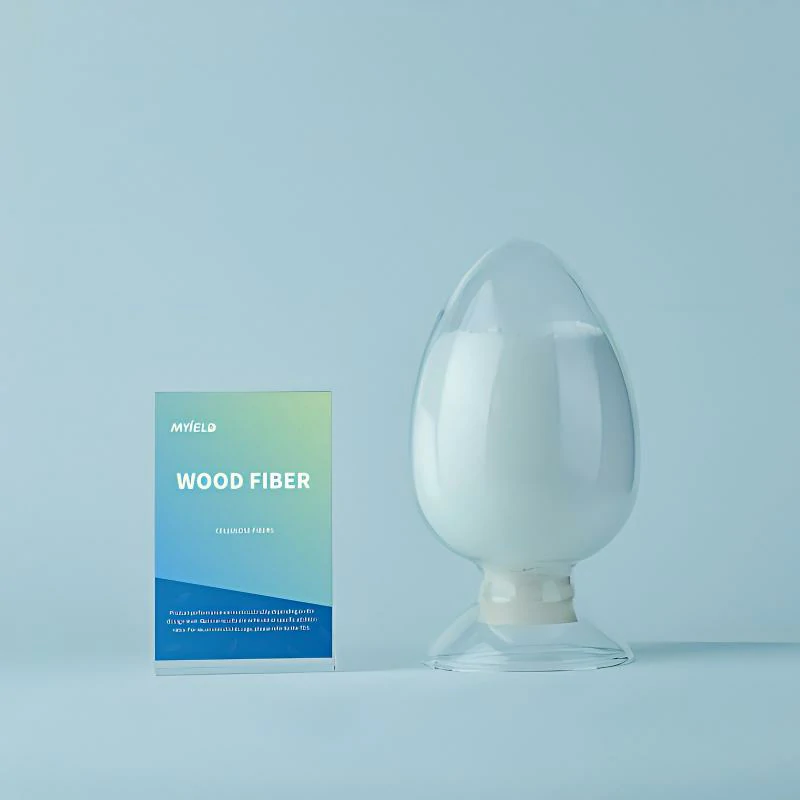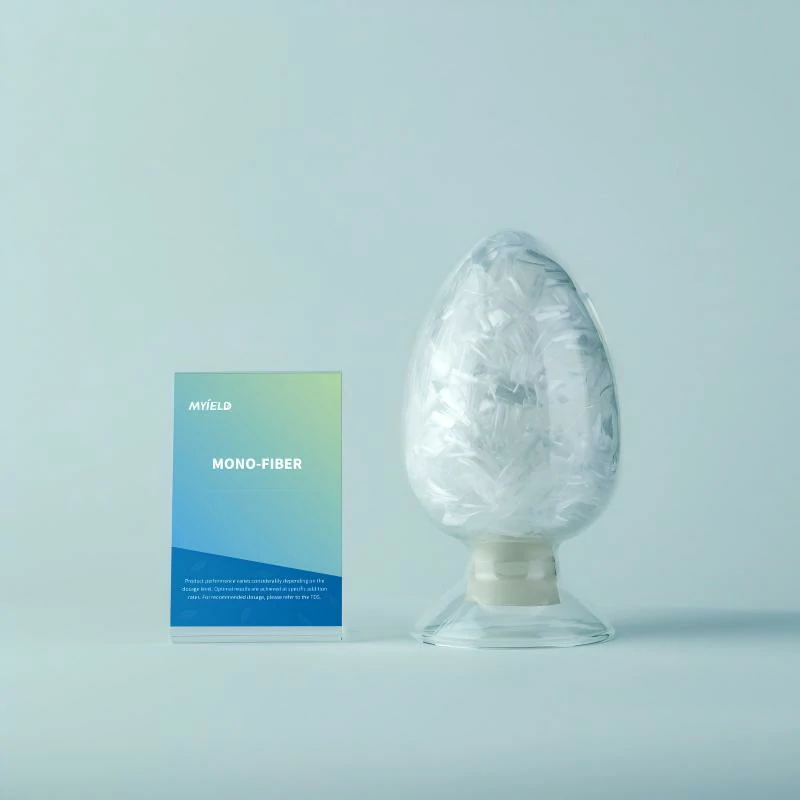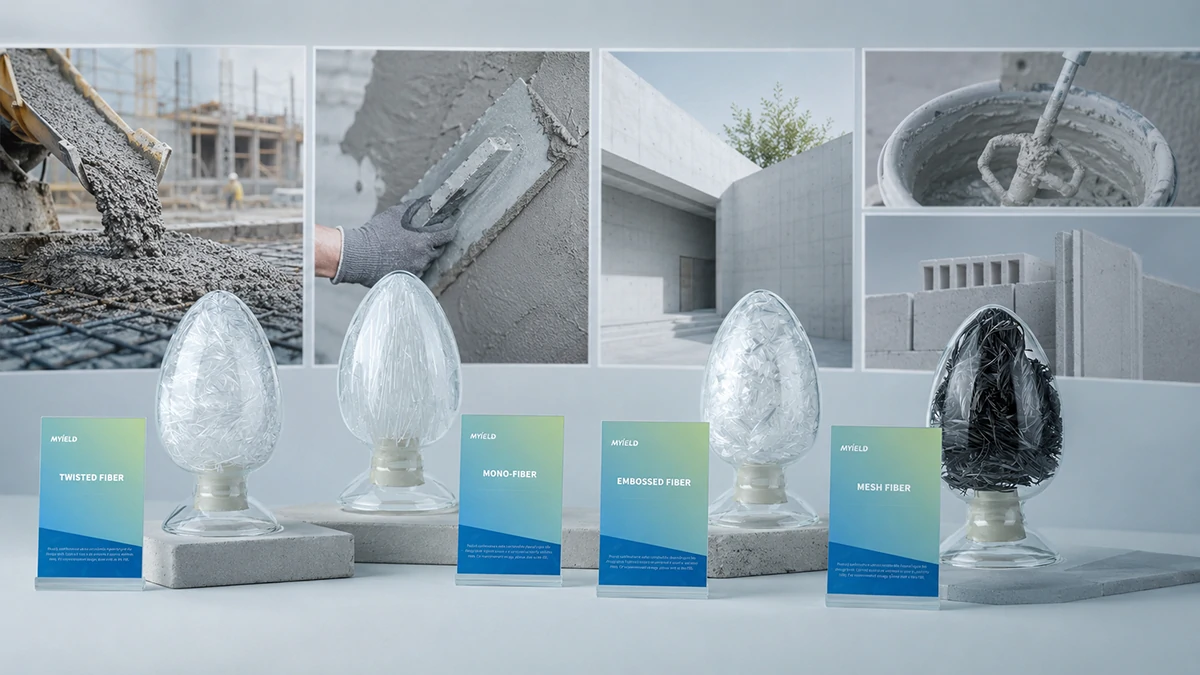






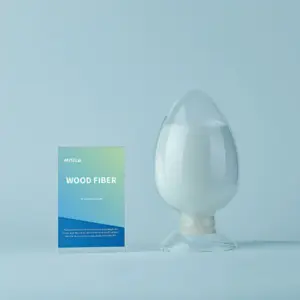






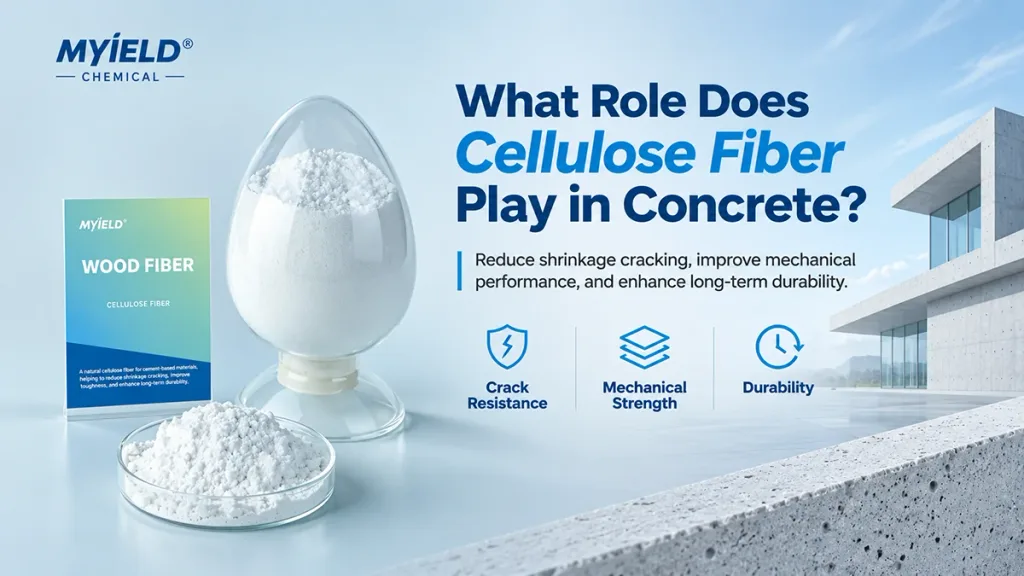
In modern construction engineering, incorporating cellulose fiber into concrete mixes has become a proven, cost-effective method for upgrading structural performance. Thanks to its unique physical and chemical properties, cellulose fiber delivers three major advantages in concrete applications.
1. Effectively Prevents Concrete Shrinkage Cracking
Cellulose fiber features natural hydrophilicity, strong bonding force, a large specific surface area, and high toughness and strength. When added to concrete, water immersion and mechanical mixing disperse it into millions of uniformly distributed micro-fibers, effectively preventing cracks caused by plastic shrinkage, drying shrinkage, and temperature fluctuations.
2. Significantly Improves Concrete Mechanical Performance
By forming a stable micro-reinforcement network inside the concrete matrix, cellulose fiber enhances performance across six key dimensions:
- Superior Crack Resistance: Distributed in a three-dimensional network, cellulose fibers reduce stress concentration at micro-crack tips, weakening or eliminating tensile stresses caused by drying shrinkage in concrete and mortar to stop micro-cracks from forming and propagating.
- Improved Impermeability: Evenly dispersed fibers create a supportive internal framework that inhibits surface bleeding and aggregate settlement. This reduces bleeding channels and internal porosity, resulting in significantly higher water impermeability.
- Enhanced Freeze-Thaw Resistance: Cellulose fibers minimize internal tensile stress concentration caused by repeated freeze-thaw cycles and prevent micro-cracks from expanding. Combined with improved impermeability, this substantially boosts freeze-thaw durability.
- Higher Impact Resistance & Toughness: The fibers help absorb kinetic energy when concrete components experience impact. Under impact loads, their crack-arresting effect prevents rapid internal crack propagation, noticeably improving toughness and impact resistance.
- Better Corrosion Protection: By sharply reducing crack formation and internal porosity, cellulose fiber slows down the ingress of moisture, aggressive chemicals, and chloride salts. Fewer cracks mean fewer pathways for corrosive agents to reach the main steel reinforcement, extending structural service life.
- Enhanced High-Temperature & Fire Resistance: Especially in high-strength concrete, the dense 3D random network of cellulose fibers acts as a built-in safety mechanism during fires. When internal concrete temperatures exceed 165°C under flame exposure, the fibers melt to create interconnected micro-channels that allow high-pressure steam to escape, effectively preventing explosive spalling.
3. Strengthens Overall Concrete Durability
At the microstructural level, cellulose fiber promotes more complete cement hydration, significantly reducing internal voids and producing a denser concrete matrix. This compact structure directly improves frost resistance, water impermeability, and chloride ion penetration resistance, giving concrete structures superior long-term durability.
Contact Myield Chemical
Looking to reduce cracking, boost durability, and optimize the cost-performance ratio of your concrete or dry-mix mortar formulations?
Whether you are producing ready-mix concrete, precast elements, or specialty mortars, Myield Chemical provides consistent factory-direct supply, tailored dosage recommendations, and full technical documentation (TDS/COA). Reach out to our team today to request a free sample for lab testing or get a competitive factory quote for your next project.
- Email: [email protected]
- WhatsApp: +86-18538509097